After a soul-stirring day at Ellora and Daulatabad Fort, my second day was to visit the Ajanta Caves,. If Ellora is about monumental carvings in stone, Ajanta is about timeless paintings on rock walls that whisper stories of a golden age.
Journey to Ajanta
We left early in the morning, hoping to beat the heat and the weekend crowd. The road wasn’t great, but the anticipation of seeing Ajanta kept me excited. Vehicles aren’t allowed up to the caves, so visitors park around 5–6 km away and take the tourism department shuttle bus. I was lucky to get into the very first bus of the day, which meant I had a near-empty caves to go around—an absolute blessing. Of course, this was planned as I wanted to avoid as much of heat as possible and I am a habitual early raiser.
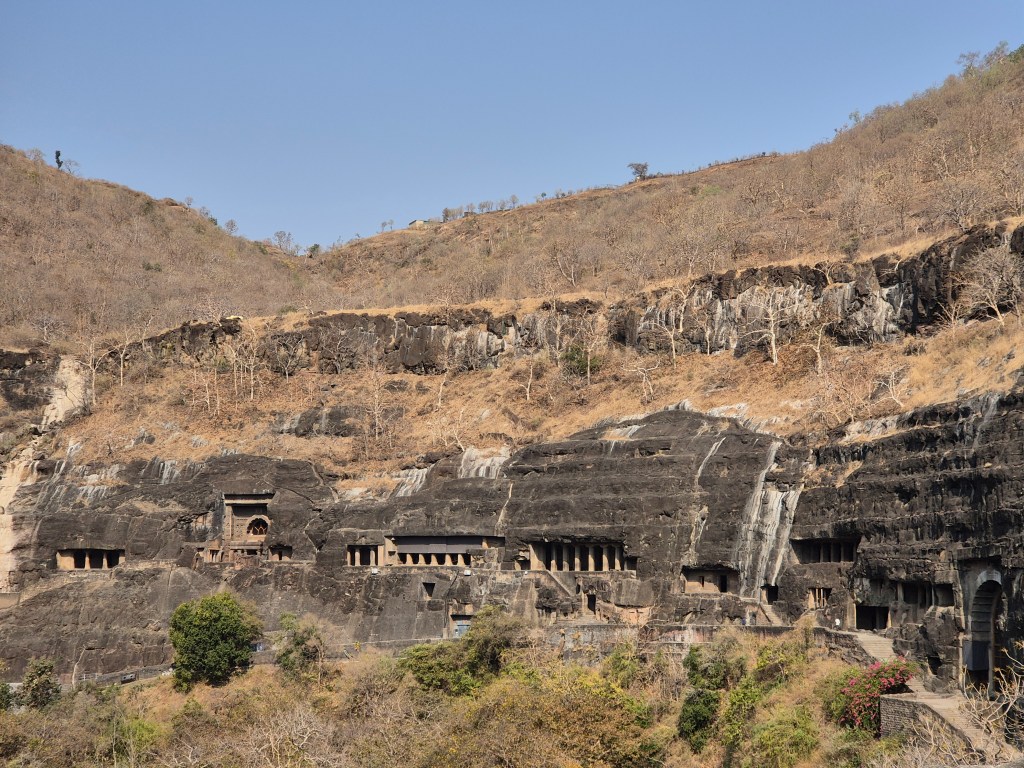
Ajanta’s Timeless Murals
Ajanta dates back from the 2nd century BCE to the 6th century CE, with its Buddhist rock-cut caves divided into monasteries (viharas) and prayer halls (chaityas).
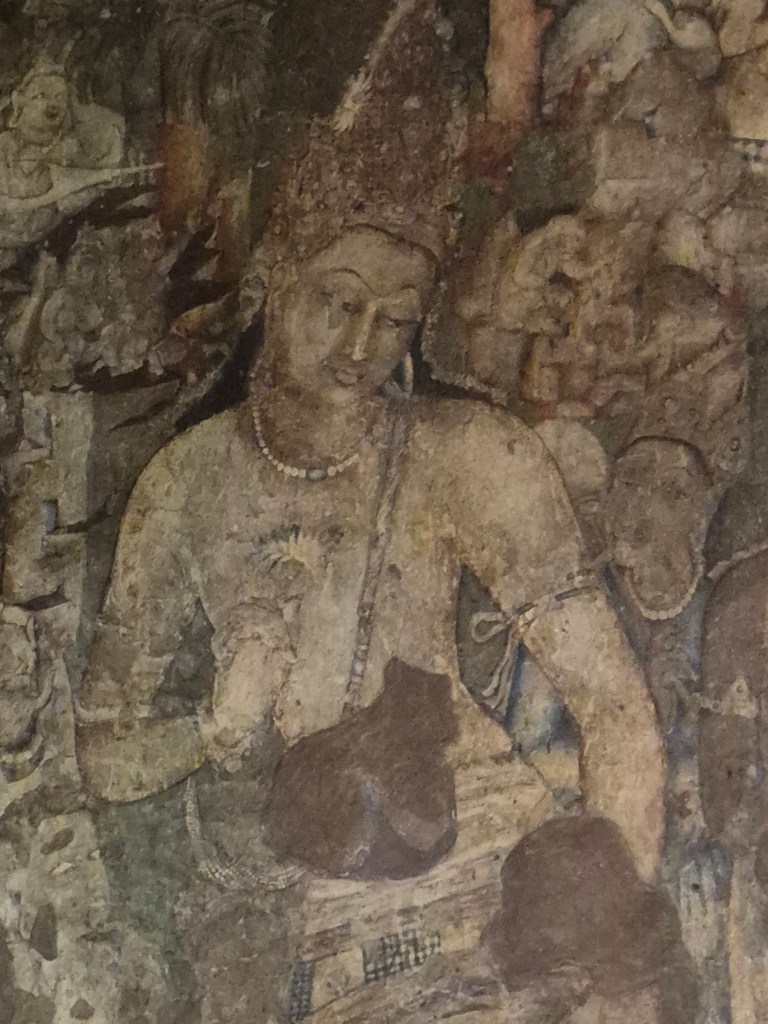
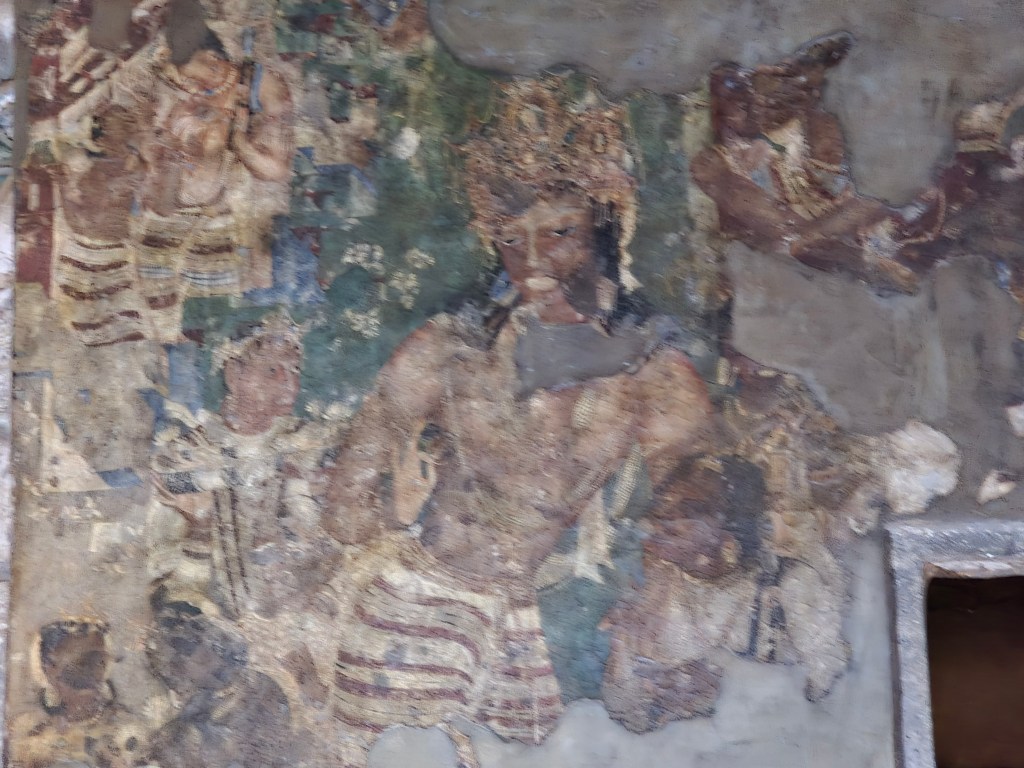
Unlike Ellora’s sculptures, Ajanta is renowned for its paintings. Though many murals have faded with time, the surviving ones still leave you awestruck. To truly appreciate them, one must reimagine their prime, when every wall and ceiling was alive with color.
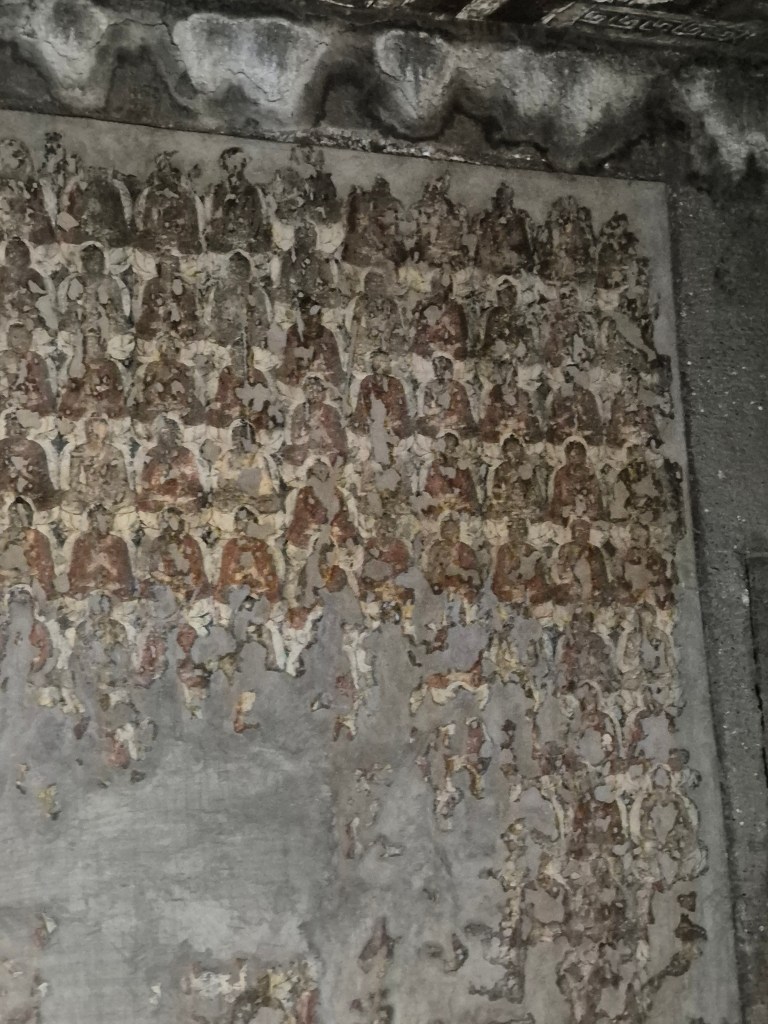
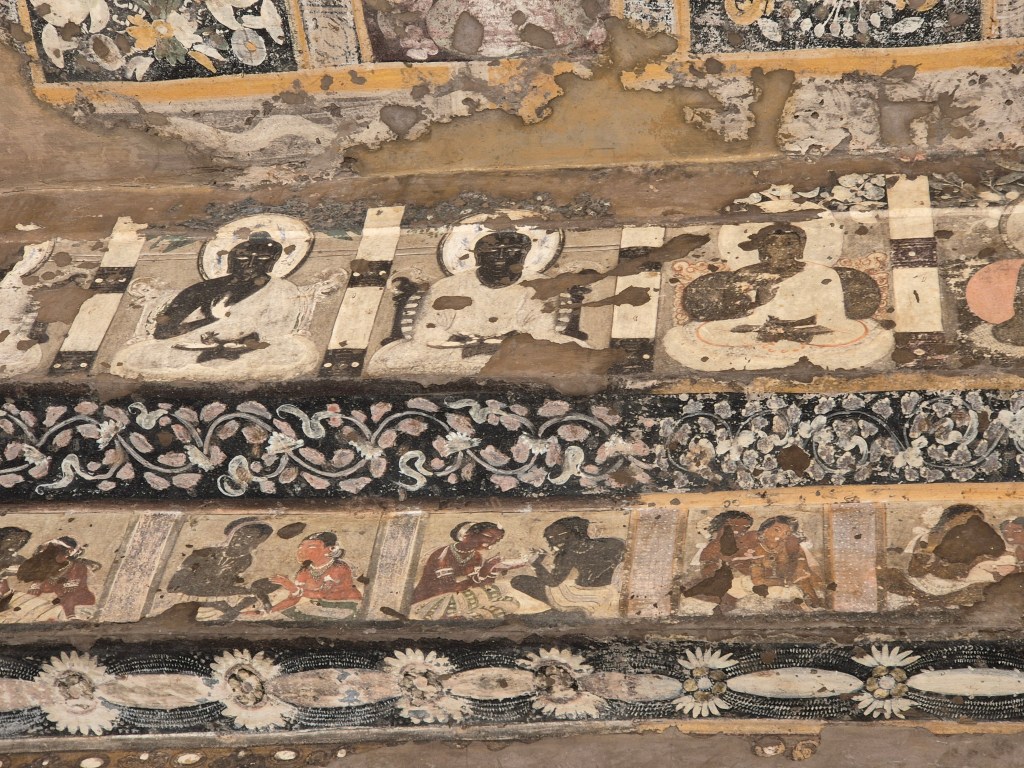
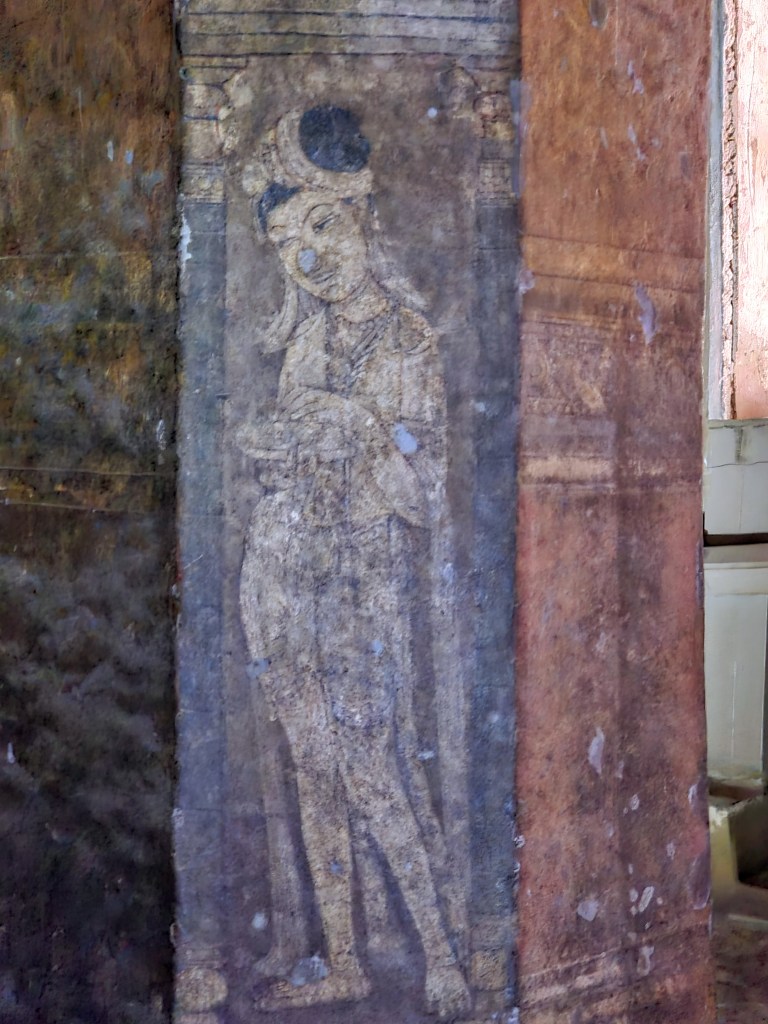
Ajanta demands both patience and imagination. Many paintings are dimly lit (no artificial lights or flash photography allowed), so you often have to let your eyes adjust and then mentally reconstruct how dazzling they must have looked centuries ago. A knowledgeable guide can make a huge difference here, as they help you connect the faint outlines to their larger stories.

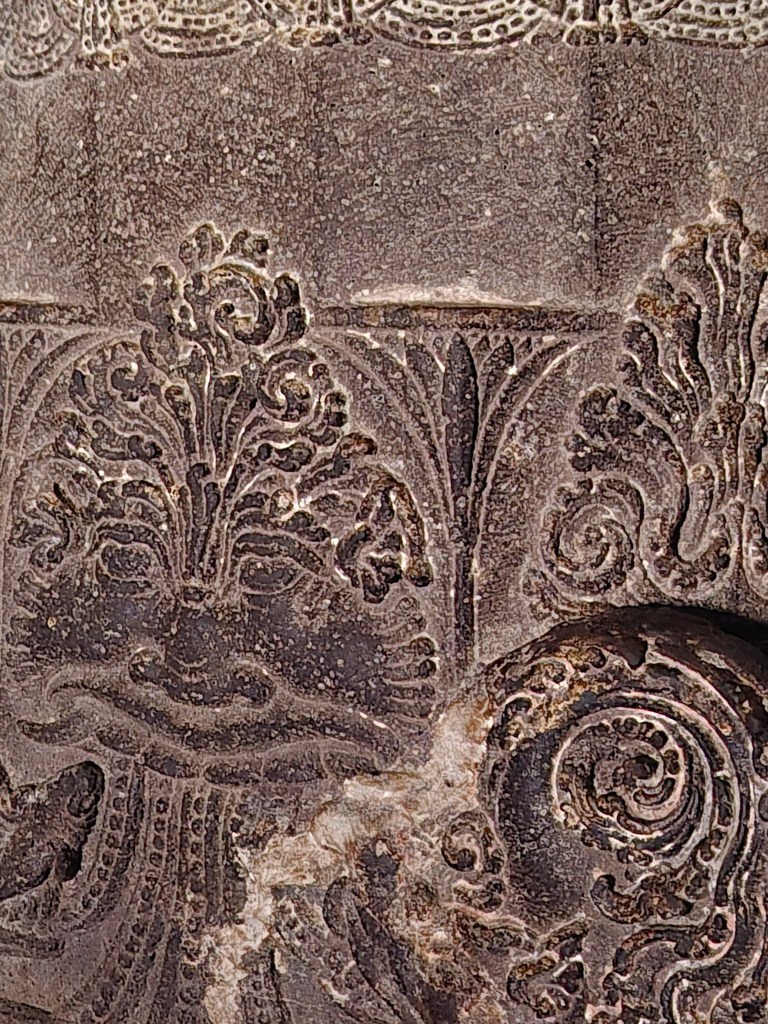
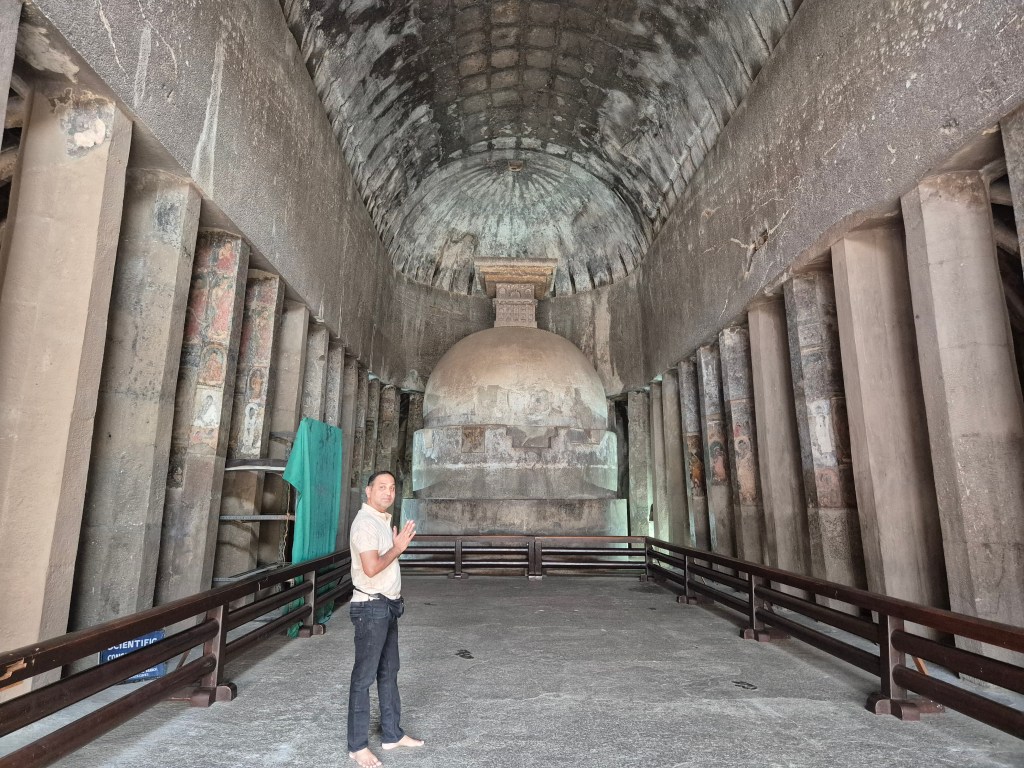
Here, the access to the caves was easier and far shorter than what it was in Ellora. So the walk is relatively lesser.
Highlights for me:
- Padmapani & Vajrapani: The Bodhisattvas depicted with grace and compassion, iconic symbols of Ajanta’s legacy.
- Ceiling Paintings: Richly detailed mandala-like art, lotus motifs, and geometrical patterns that mesmerize you when you look up.
- Narratives of Life: From a royal lady gazing into her mirror to depictions of traders and foreign visitors (Chinese and European symbols), they reveal how Ajanta was a hub of culture and global commerce.
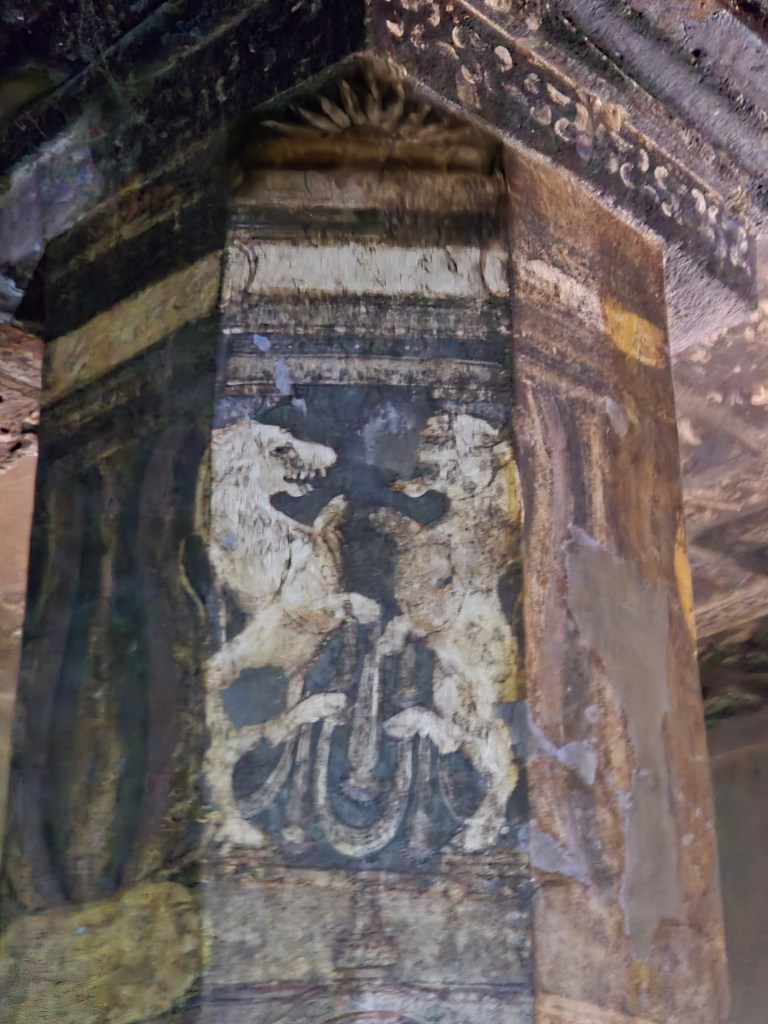
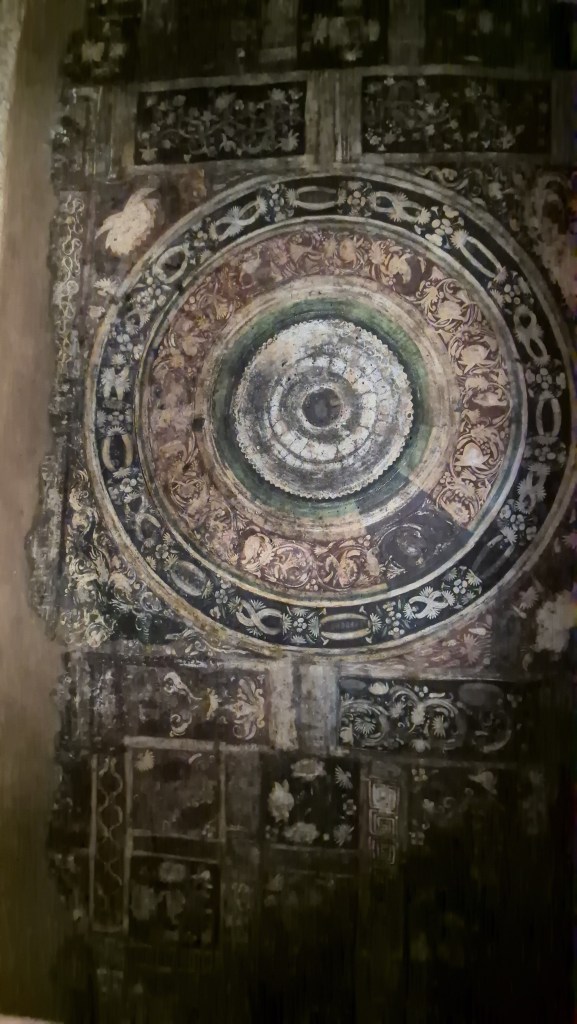
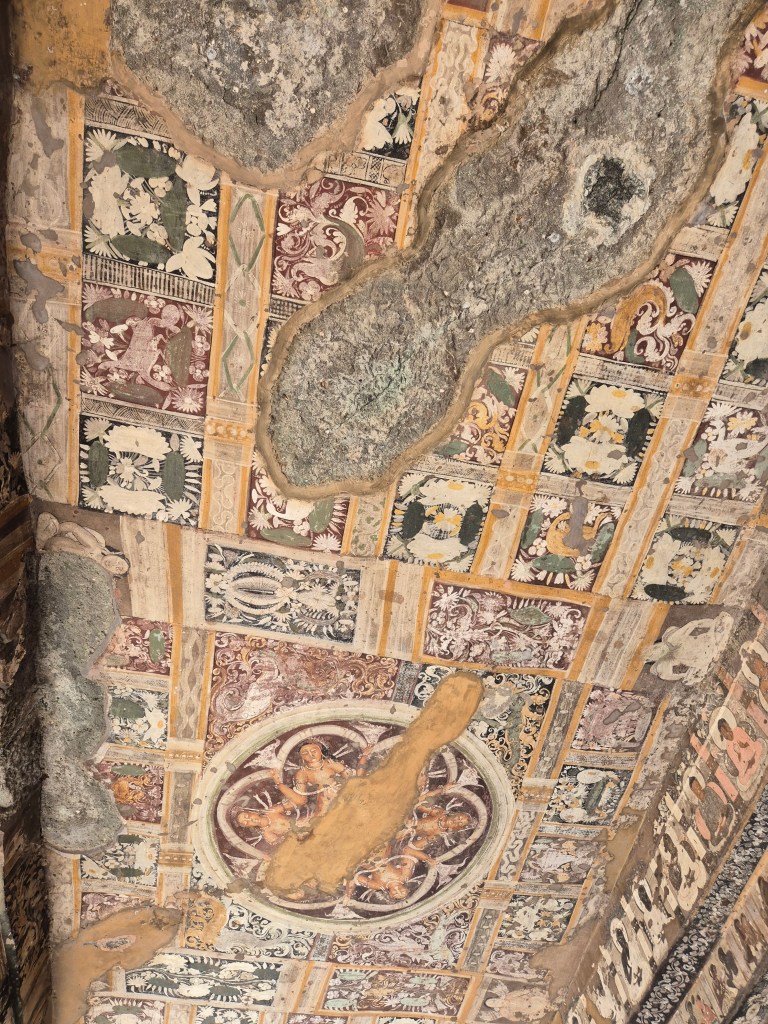
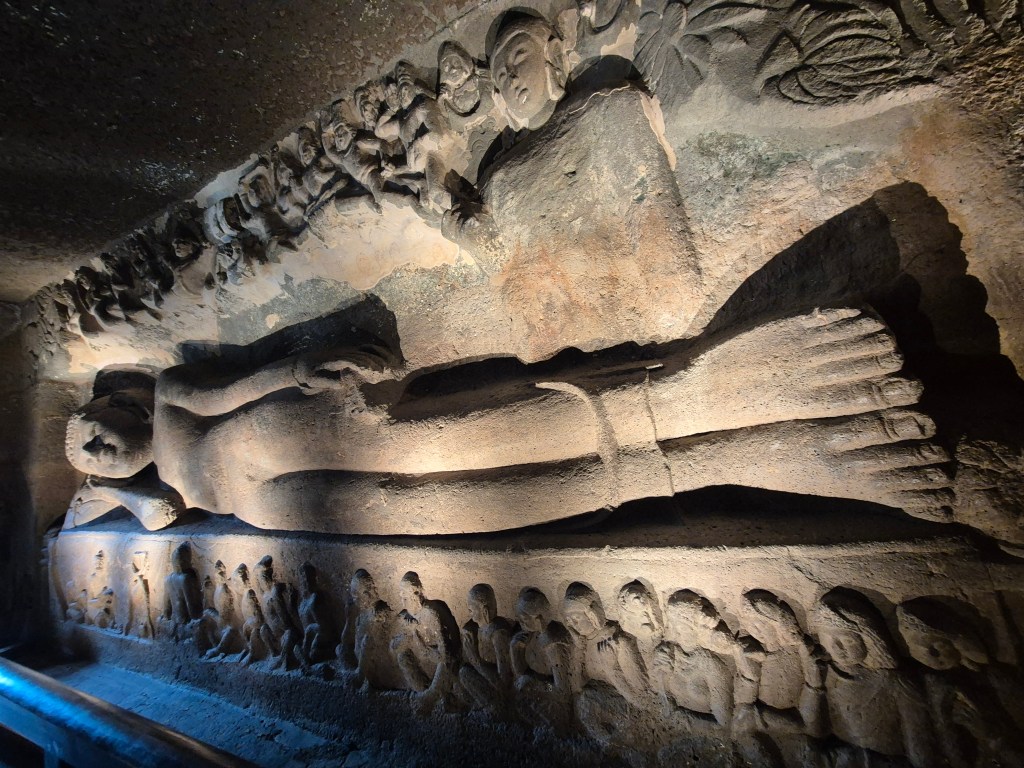
The Sleeping Buddha in Cave 26, a serene sculpture of Buddha’s Mahaparinirvana, gave me goosebumps.
Bibi Ka Maqbara
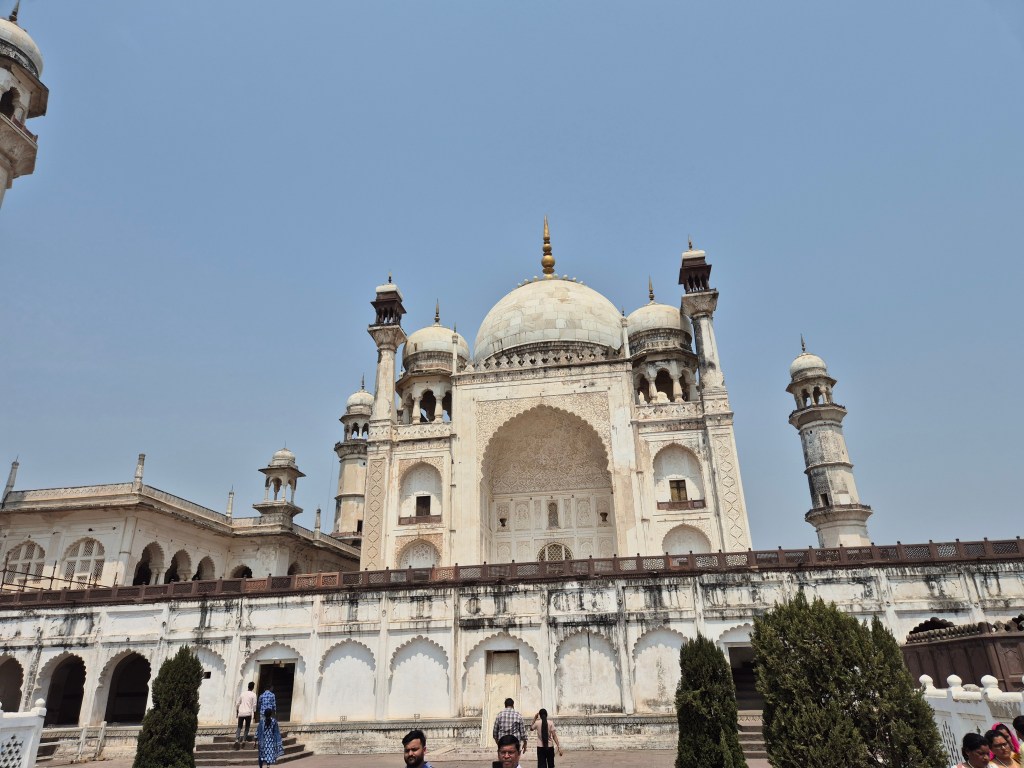
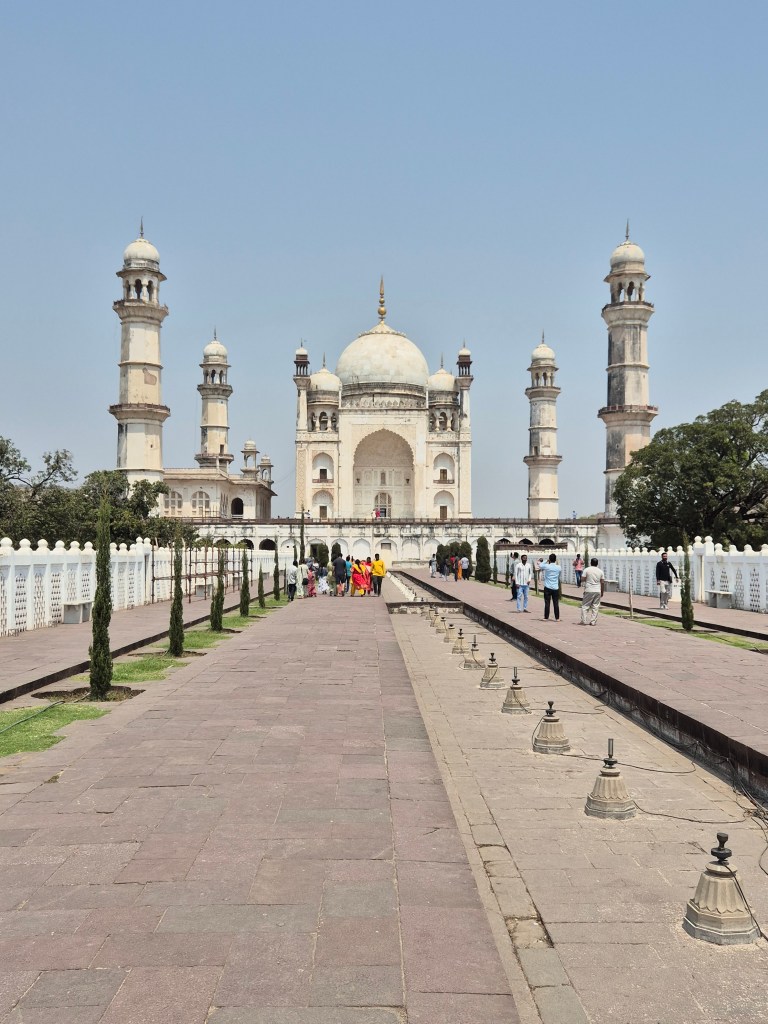
The next day, I visited Bibi Ka Maqbara, often called the Taj of the Deccan. Built by Aurangzeb’s son in memory of his mother, it may not match the Taj Mahal in scale, but it certainly carries an understated charm. The white dome set against the blue sky, with manicured gardens leading up to it, gave me a quiet sense of peace.
Souvenirs That Spoke to Me
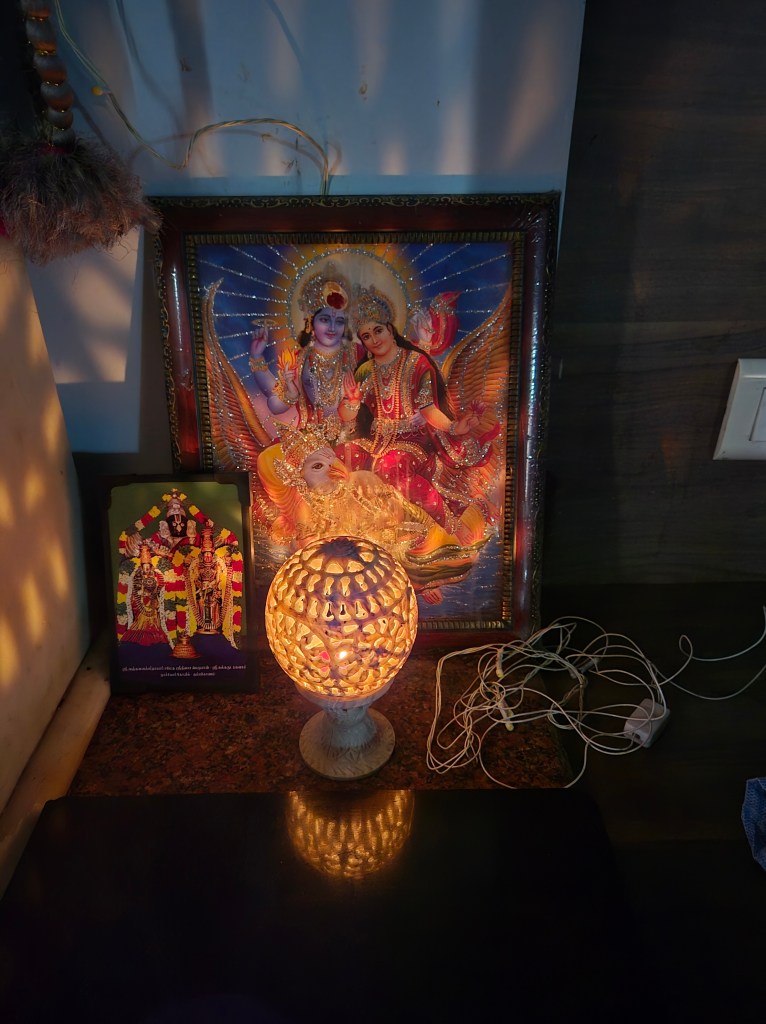
At Ajanta,I also bought a couple of stone-carved souvenirs — a lamp holder and an incense stick holder. Small but meaningful, they now serve as tactile reminders of the artistry and devotion I witnessed during my journey.
Closing Thoughts
Ajanta showed me how art can survive across centuries, while Bibi Ka Maqbara was a reminder of how legacy can echo even in replicas. And yet, the day wasn’t over—my journey still had one more chapter left.


Leave a comment