• For me Ajanta and Ellora have been of interest since college.  However, it always happens that when I plan a trip, this comes out always in the shortlist, but has never made it to the top slot to be picked up, thanks to weightage for enjoyment, games, hill stations, beach and food. 

    Hence, I realised that with a group, I am not going to make it to this place. In March 2025, when I had an opportunity to do a solo trip, I knew the one place I will go to. And as luck would have it, the flight charges from Hyderabad were reasonable and I could get a Aurangabad Gymkhana Club (AGC hotel) at a reasonable price as it was just after the peak season though i was booking just 2-3 days before the travel. 

    There is a direct, early morning flight from Hyderabad to Sambhaji Nagar (new name for Aurangabad)) and an evening return from there.  That made it convenient for me to spend quality time. Being the Holi weekend, I had 3 days to spend anyway and I decided to take it leisurely and not rush. 

    The Hotel and Cab 

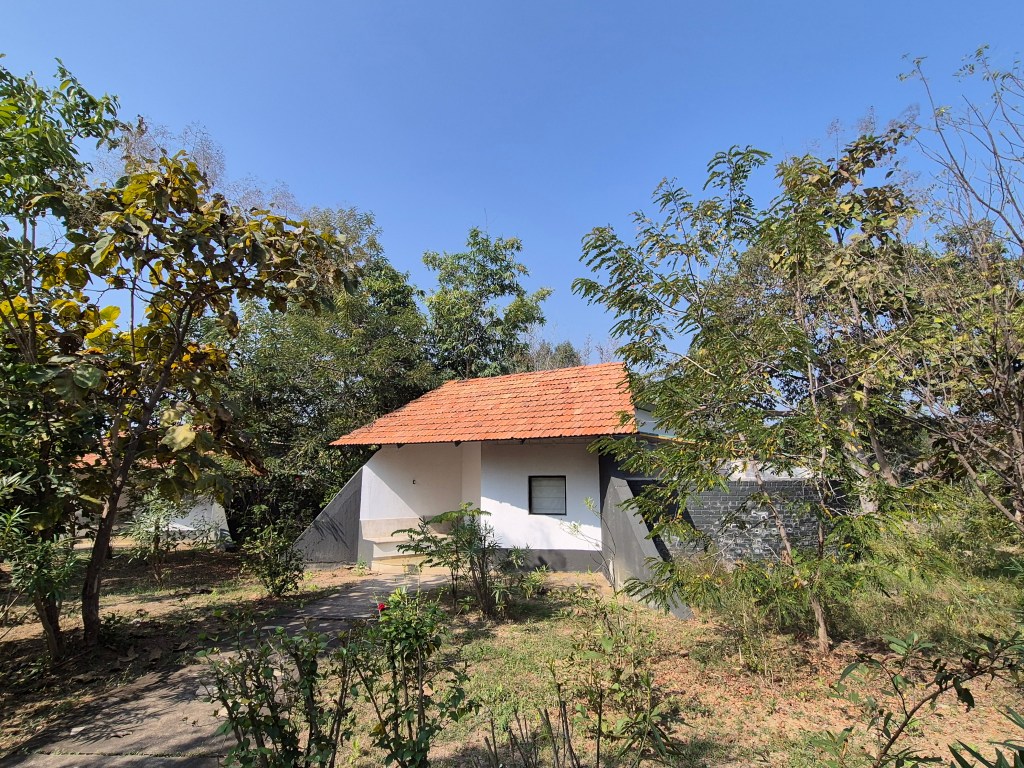
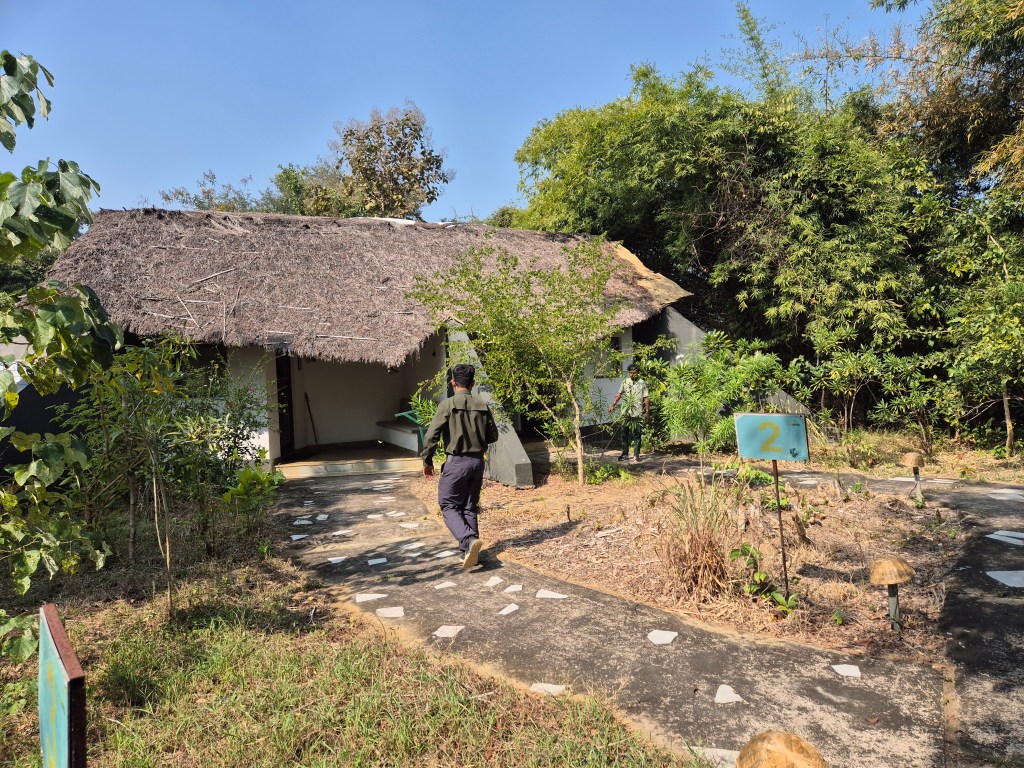
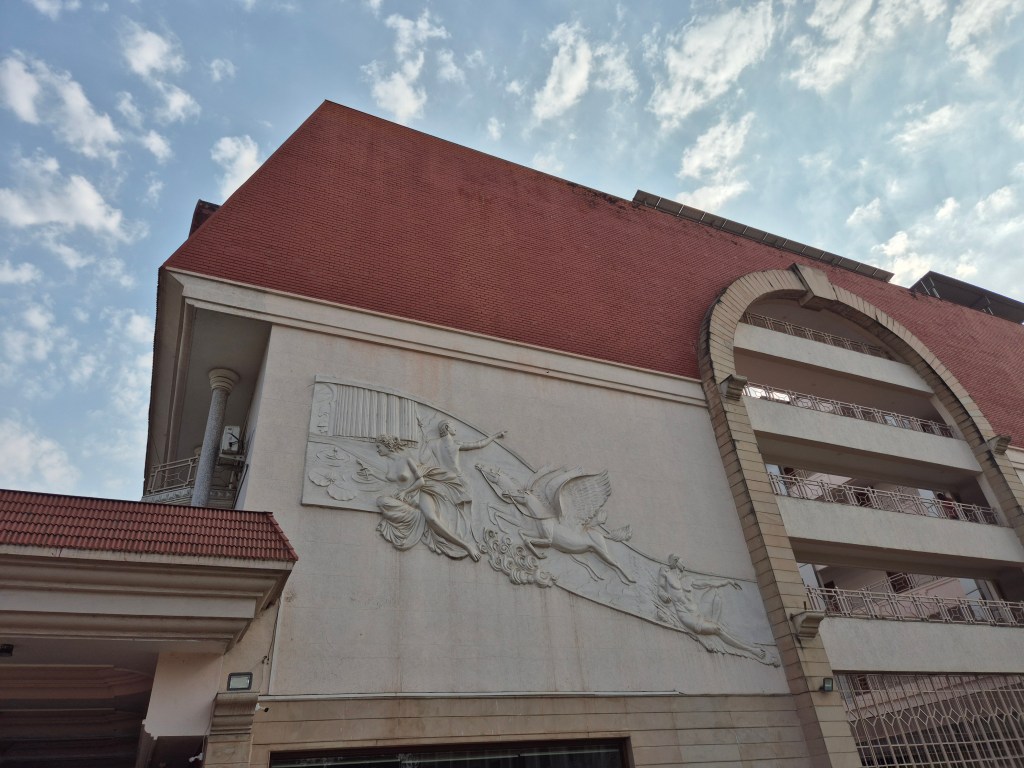
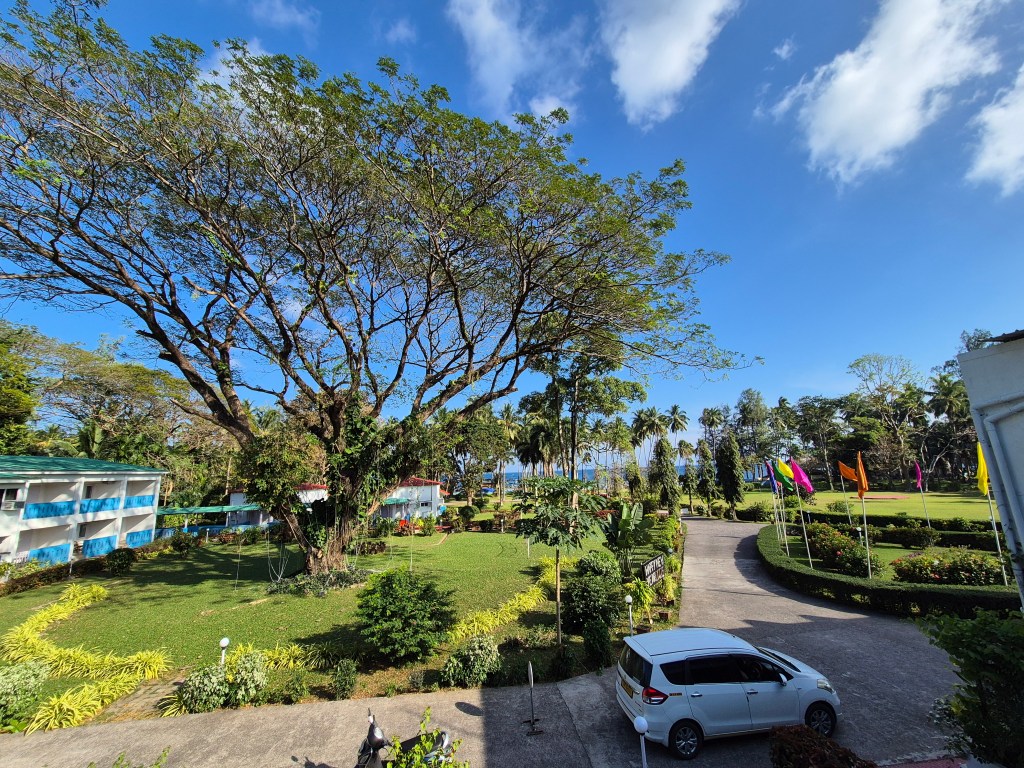
    Without really knowing that AGC stood for Aurangabad Gymkhana Club, I booked the hotel on Booking.com  . I was in for a surprise there, as with the hotel, I had access to lovely facilities including the swimming pool, jacuzzi, steam, sauna, and spa.  This helped me to recover well after each day of intense sightseeing. Yes, the rooms and the hotel are not new, but the club facilities make up for the same. I will say it was a value for money hotel with excellent amenities, decent food and good service. 

    Aurangabad Gymkhana Club
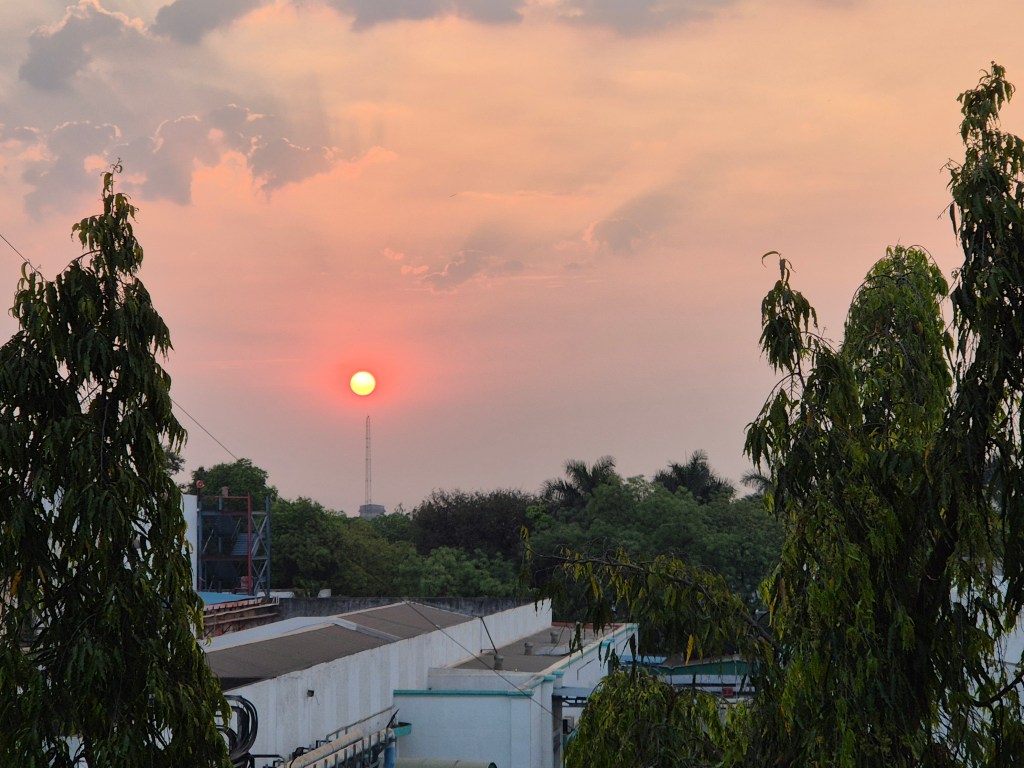
    Sunrise from my Room

    I had organized a cab through AGC for me from Airport pick up to Airport drop, which was very useful. I could schedule my visit on the fly as required because of this flexibility.

    Ajanta and Ellora

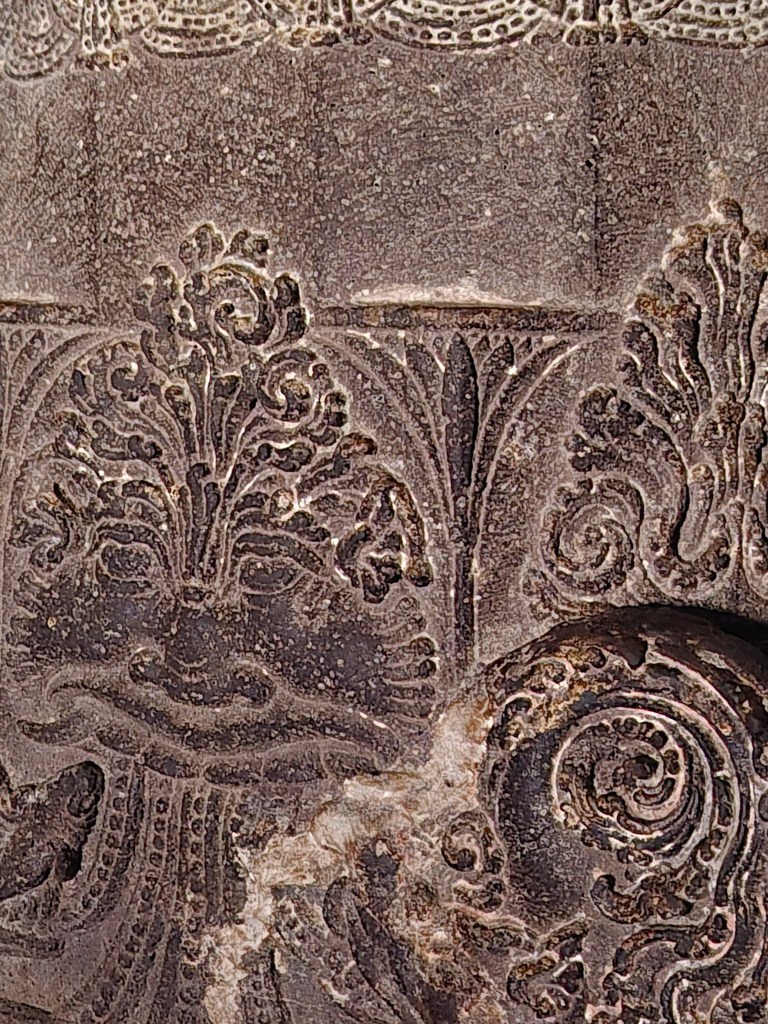
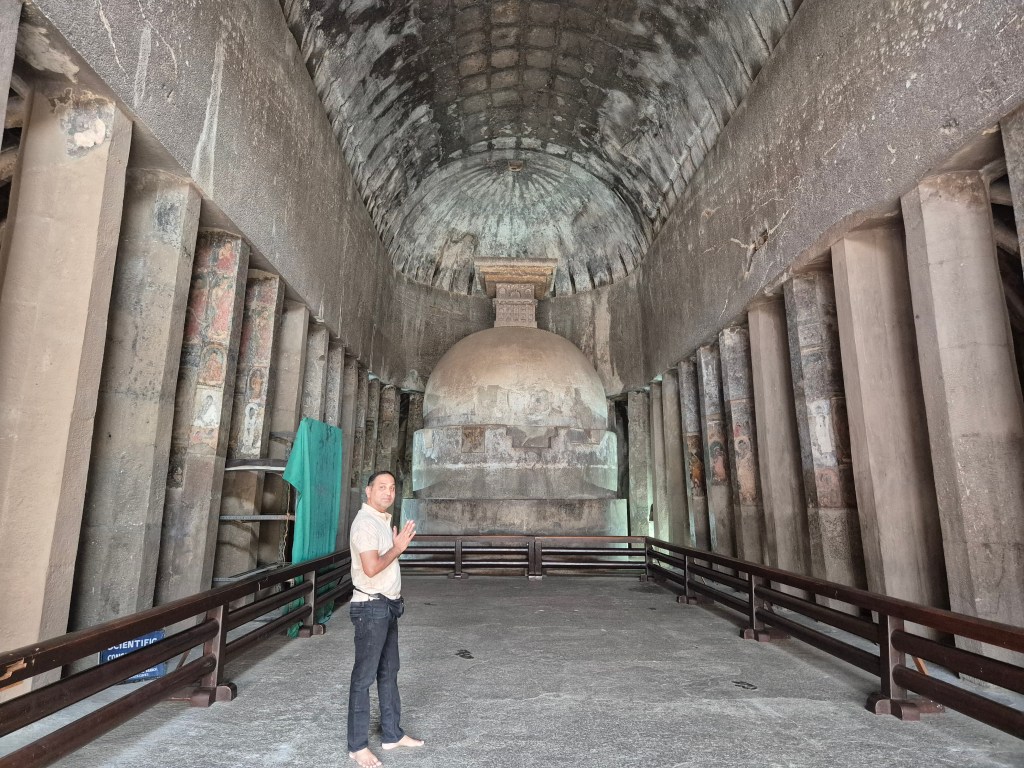
    The primary focus of the trip is to visit Ajanta and Ellora caves. I have written detailed blog on each of these marvellous places which deserve more than a blog. See the Ellora Blog here and Ajanta Blog here.

    I have tried to do justice to the place with simple English and some nice photographs.

    The Food  

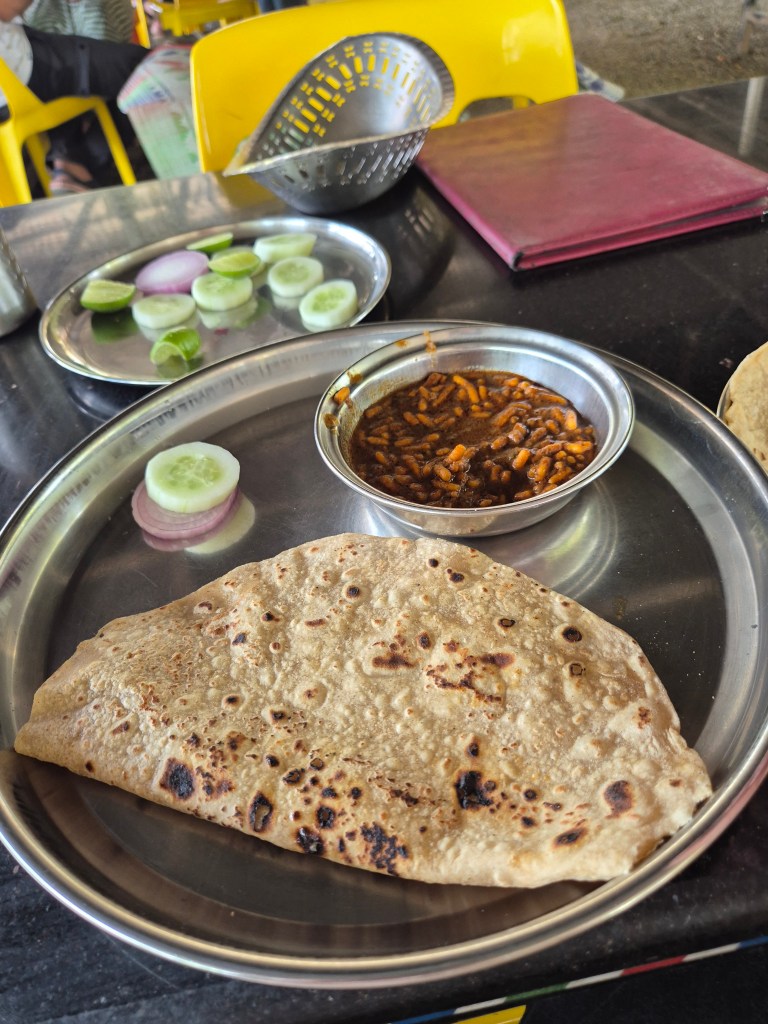
    After landing, I dropped my luggage in the hotel and directly left for Ellora.  As mentioned in my blog, it took till evening for me to reach the hotel. My lunch was at Green Leaf Restaurant, which was half way from the caves to the Fort.  The food was hot and tasty (and I was famished). I would rate this restaurant at 4 stars. I had my dinner at AGC Hotel, a simple kichidi. 

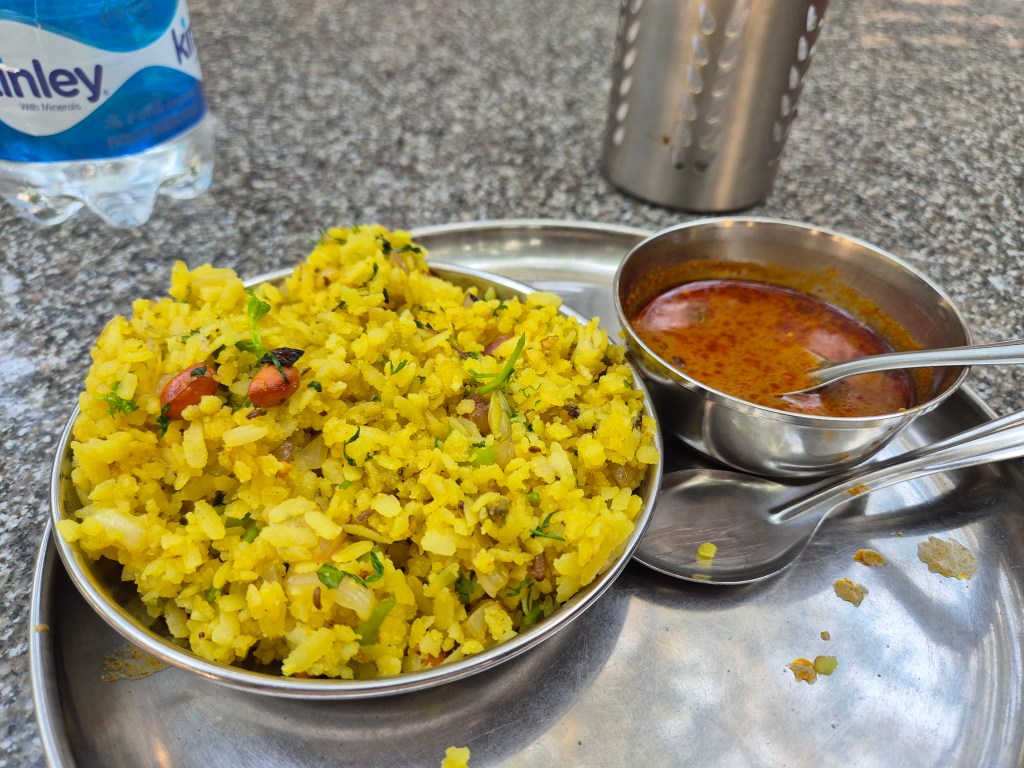
    The next day, I left early around 7 AM.  I decided to have my breakfast at Hotel Sai, a road side eatery which is pure vegetarian.  The morning Poha was so good that I returned to the same hotel for lunch on my way back from Ajanata.  I would rate this place 4.5 out of 5.0

    I had a nice massage in the spa too.  Also, I had a good Steam and Sauna bath that day.  A decent spread of dinner buffet was a nice way to treat myself after visiting both Ajanta and Ellora. 

    The next morning, I had a leisurely breakfast followed by a swim in the hotel itself.  I went out for the local sightseeing and went for a traditional thali at Bhoj. The thali was good, but was a bit overwhelming in terms of the number of items and the size of the servings. I would rate the food 4.0 out of 5.0.

    A Movie Break

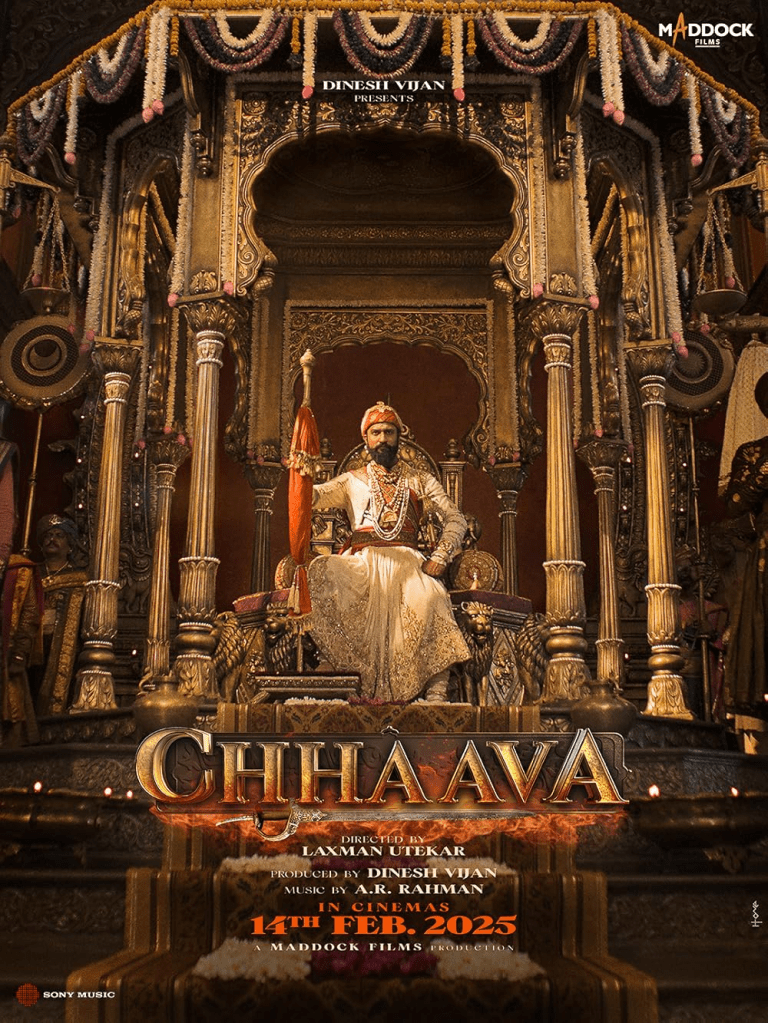
    With time to spare before my flight, I decided to do something different: I went to watch the Marathi historical film “Chhava”, based on the life of Chhatrapati Sambhaji Maharaj. Watching this story in Sambhaji Nagar itself felt meaningful—a reminder of the courage and legacy of Shivaji Maharaj and Sambhaji Maharaj that shaped this region. I would rate the movie 3.0 out of 5.0.

    Movie Poster taken from the Internet

    The Sweet Surprise 

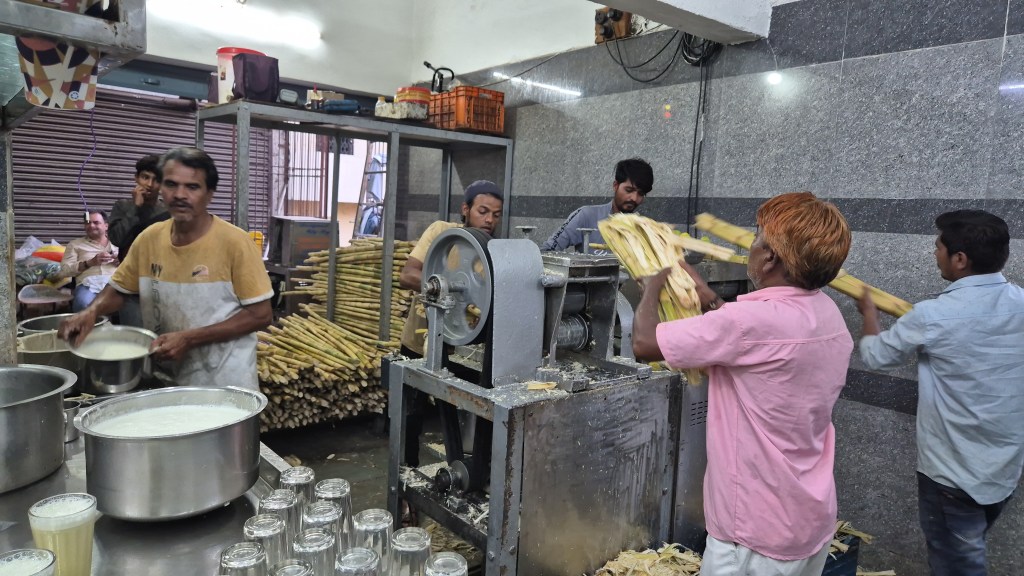
    Perhaps the most unexpected highlight of my last day was a humble sugarcane juice at  Pakiza Sugarcane Juice Stall. I was there for 15–20 minutes and watched in amazement as hundreds of glasses were sold to thirsty locals. The simplicity of the business model also struck me.  There were only 2 SKUs, Sugarcane Juice with Ice and Sugarcane Juice Without Ice. The scale of operations was really big. I am sure, going by the flow, 1000 cups an hour would not be an over estimate.  

    Pakiza Juice Stall – Look at the size and scale

    I couldn’t resist with just  one glass and quickly ordered my second glass. In an age of sodas and packaged drinks, seeing the popularity of natural sugarcane juice felt refreshing—both literally and figuratively. I will rate this place 5.0 out of 5.0.

    In Conclusion

    With that I left for the airport and back to Hyderabad that night. When I hit the bed at home, I really felt that I took the right decision to go to Ajant and Ellora on my first solo travel.  I have been talking to my friends and family, who voted against this place for so many years and I believe many of them are now excited to visit Ajanta and Ellora.

  • After a soul-stirring day at Ellora and Daulatabad Fort, my second day was to visit the Ajanta Caves,. If Ellora is about monumental carvings in stone, Ajanta is about timeless paintings on rock walls that whisper stories of a golden age.

    Journey to Ajanta

    We left early in the morning, hoping to beat the heat and the weekend crowd. The road wasn’t great, but the anticipation of seeing Ajanta kept me excited. Vehicles aren’t allowed up to the caves, so visitors park around 5–6 km away and take the tourism department shuttle bus. I was lucky to get into the very first bus of the day, which meant I had a near-empty caves to go around—an absolute blessing. Of course, this was planned as I wanted to avoid as much of heat as possible and I am a habitual early raiser. 


    Ajanta’s Timeless Murals

    Ajanta dates back from the 2nd century BCE to the 6th century CE, with its Buddhist rock-cut caves divided into monasteries (viharas) and prayer halls (chaityas).

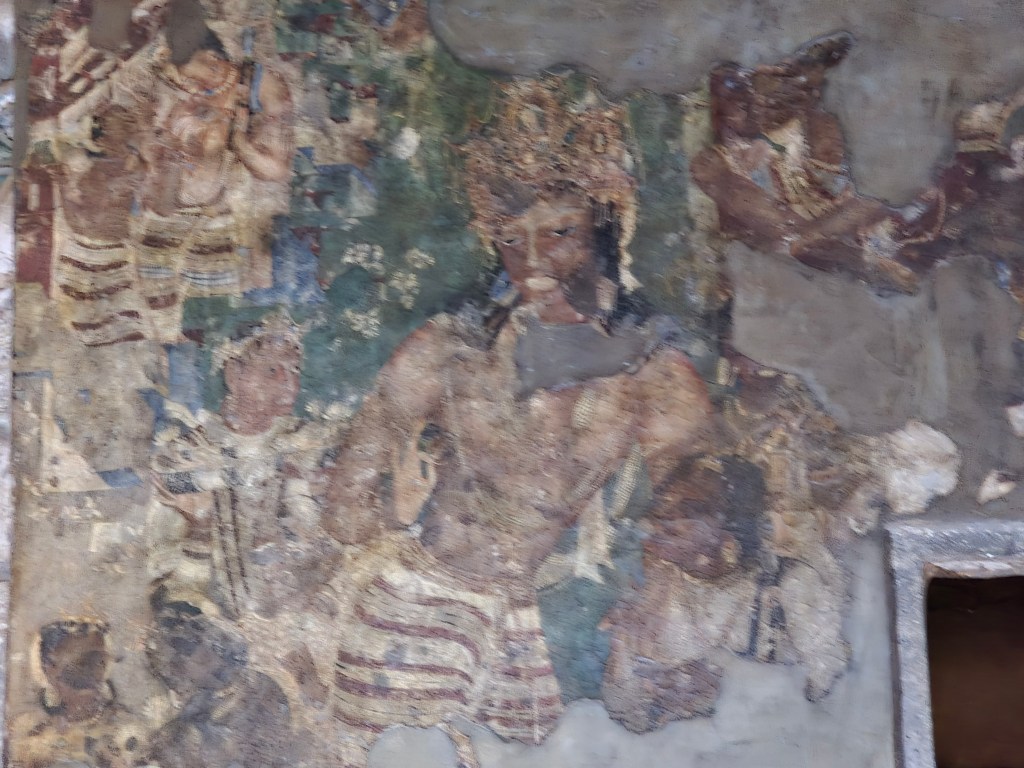
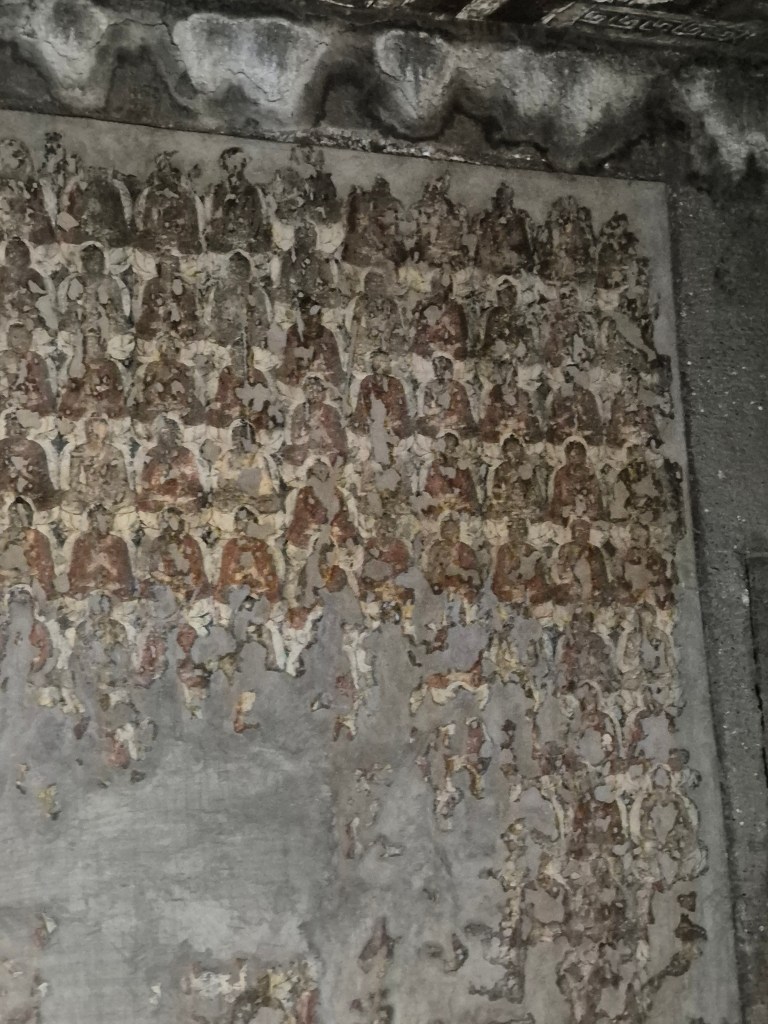
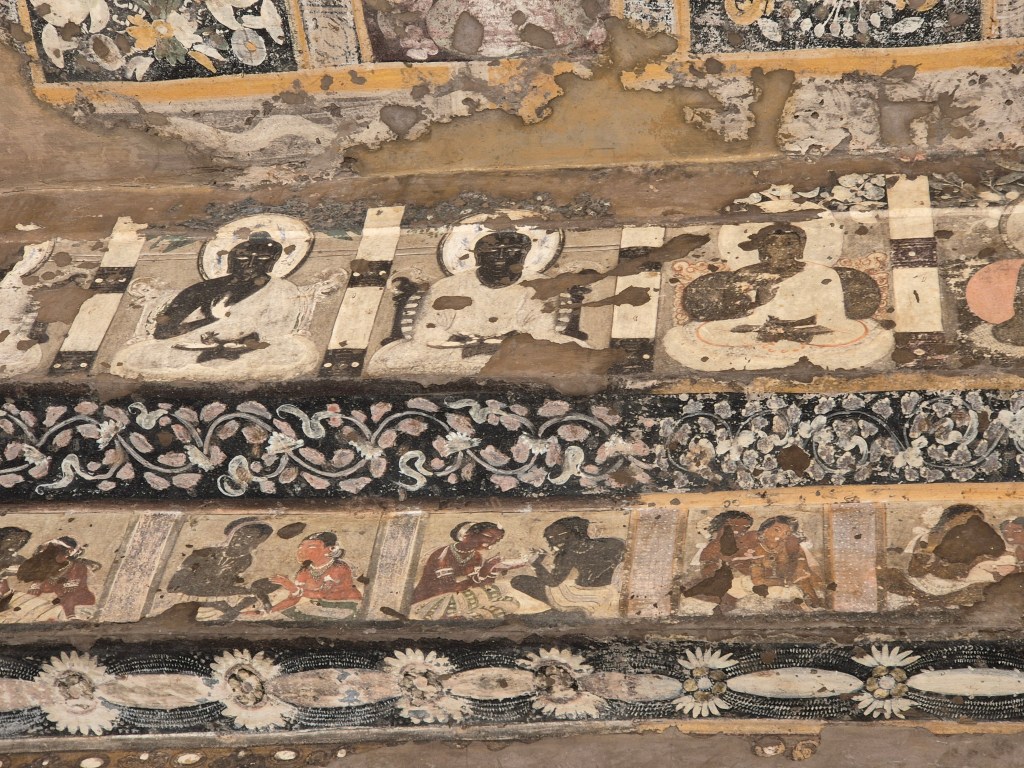
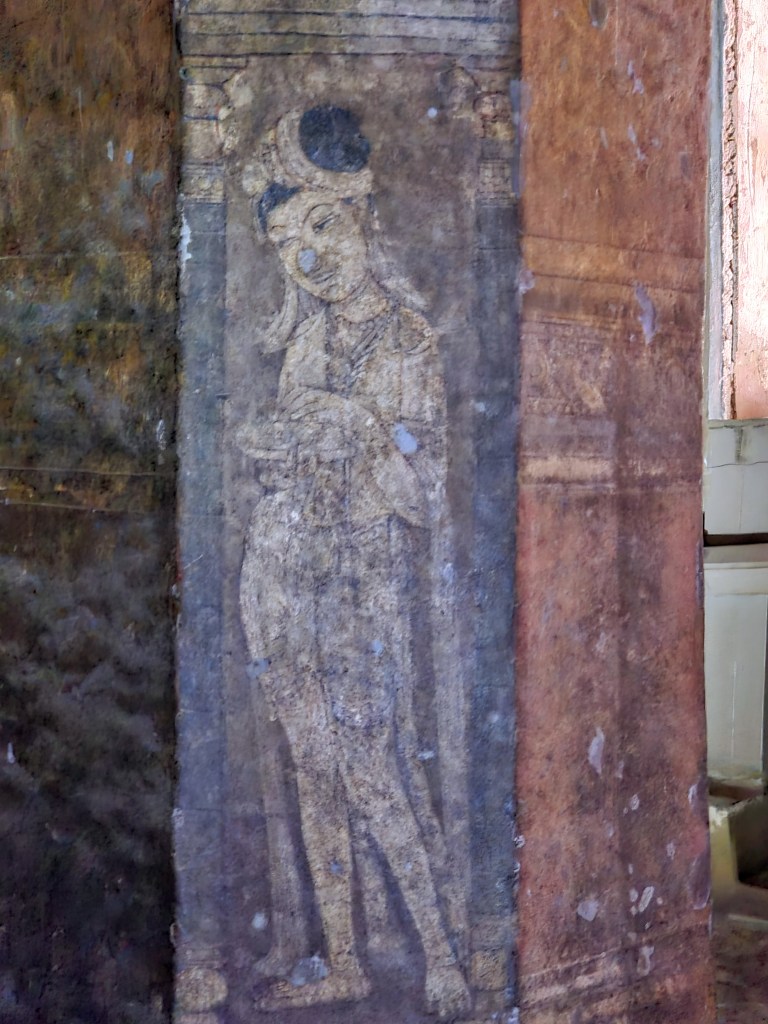
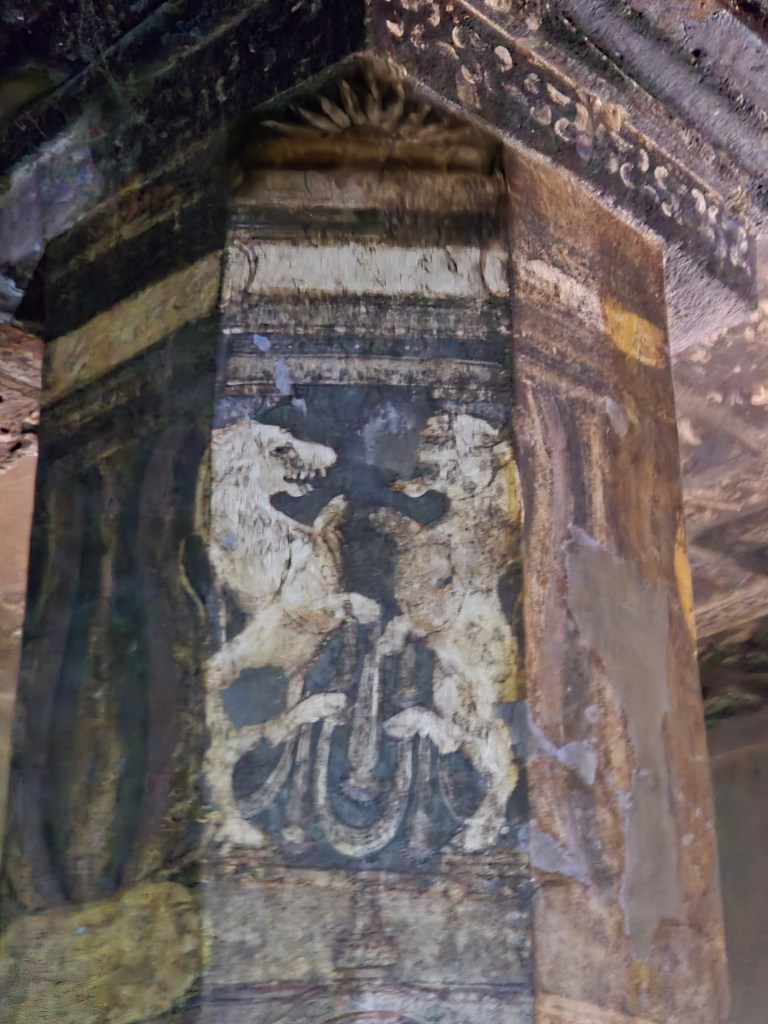
    Unlike Ellora’s sculptures, Ajanta is renowned for its paintings. Though many murals have faded with time, the surviving ones still leave you awestruck. To truly appreciate them, one must reimagine their prime, when every wall and ceiling was alive with color. 

    Ajanta demands both patience and imagination. Many paintings are dimly lit (no artificial lights or flash photography allowed), so you often have to let your eyes adjust and then mentally reconstruct how dazzling they must have looked centuries ago. A knowledgeable guide can make a huge difference here, as they help you connect the faint outlines to their larger stories.

    Here, the access to the caves was easier and far shorter than what it was in Ellora.  So the walk is relatively lesser.  

    Highlights for me:

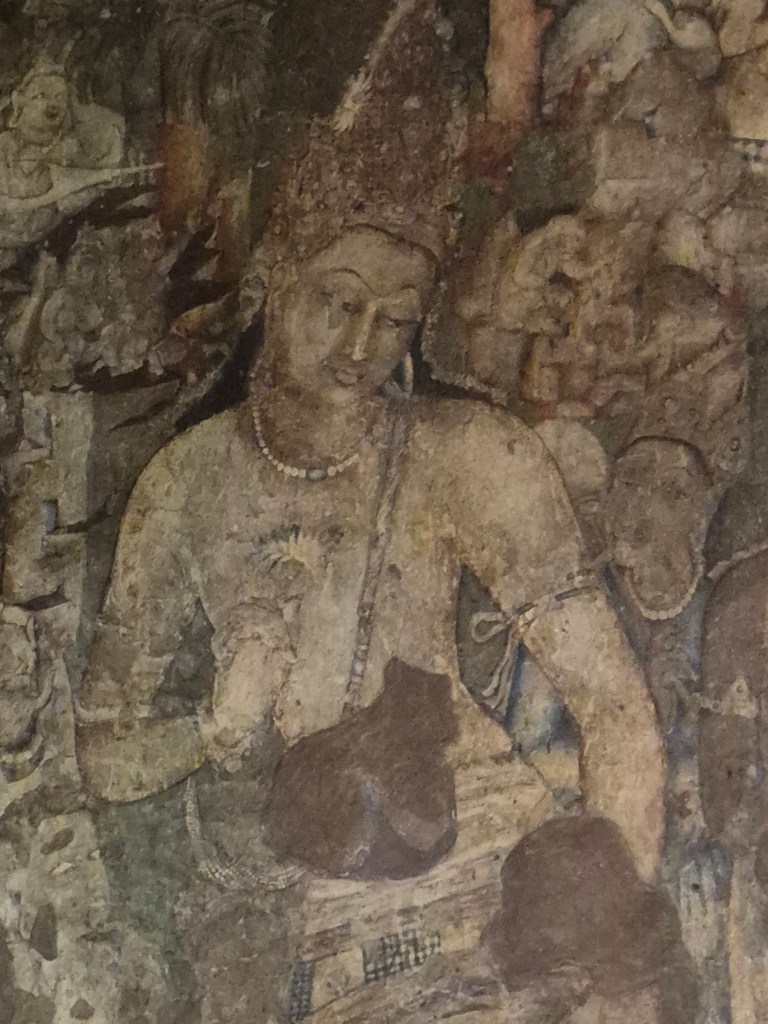
    • Padmapani & Vajrapani: The Bodhisattvas depicted with grace and compassion, iconic symbols of Ajanta’s legacy.
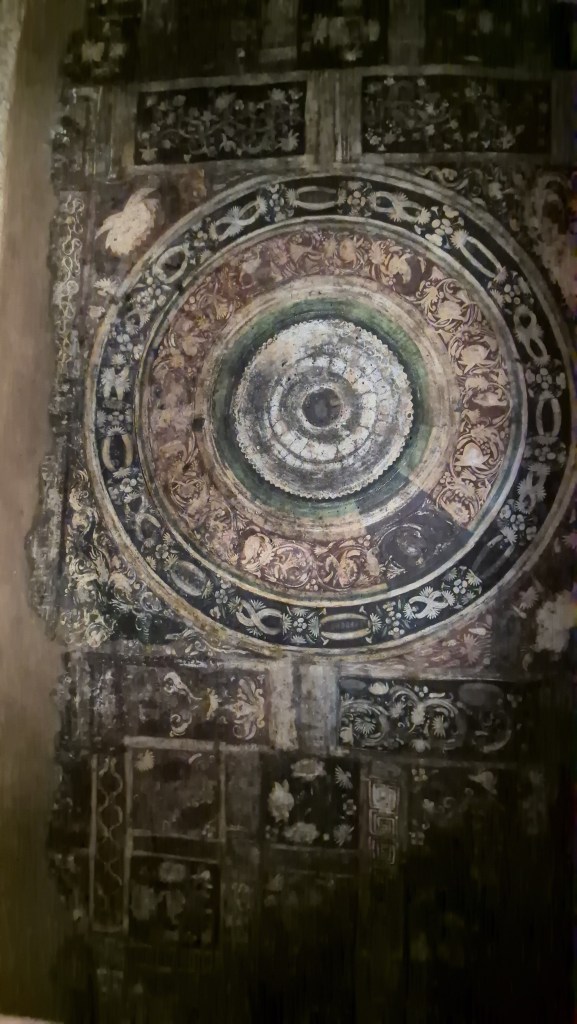
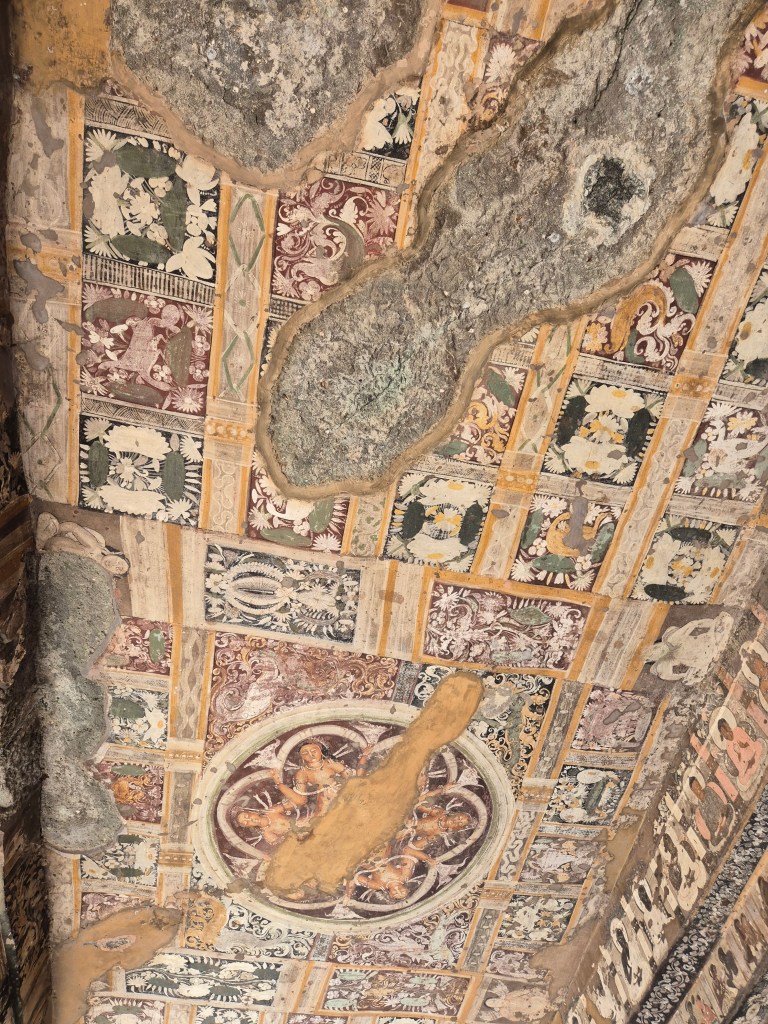
    • Ceiling Paintings: Richly detailed mandala-like art, lotus motifs, and geometrical patterns that mesmerize you when you look up.
    • Narratives of Life: From a royal lady gazing into her mirror to depictions of traders and foreign visitors (Chinese and European symbols), they reveal how Ajanta was a hub of culture and global commerce.
    Artistic iCeiling : Carpet Style

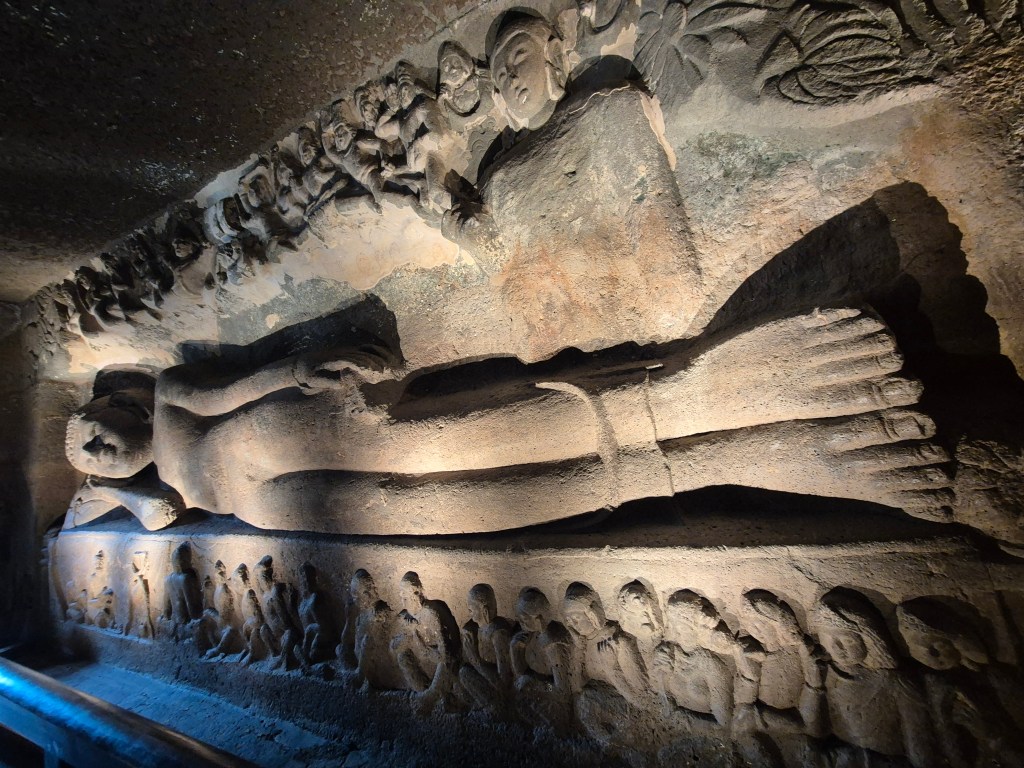
    The Sleeping Buddha in Cave 26, a serene sculpture of Buddha’s Mahaparinirvana, gave me goosebumps.

    Bibi Ka Maqbara

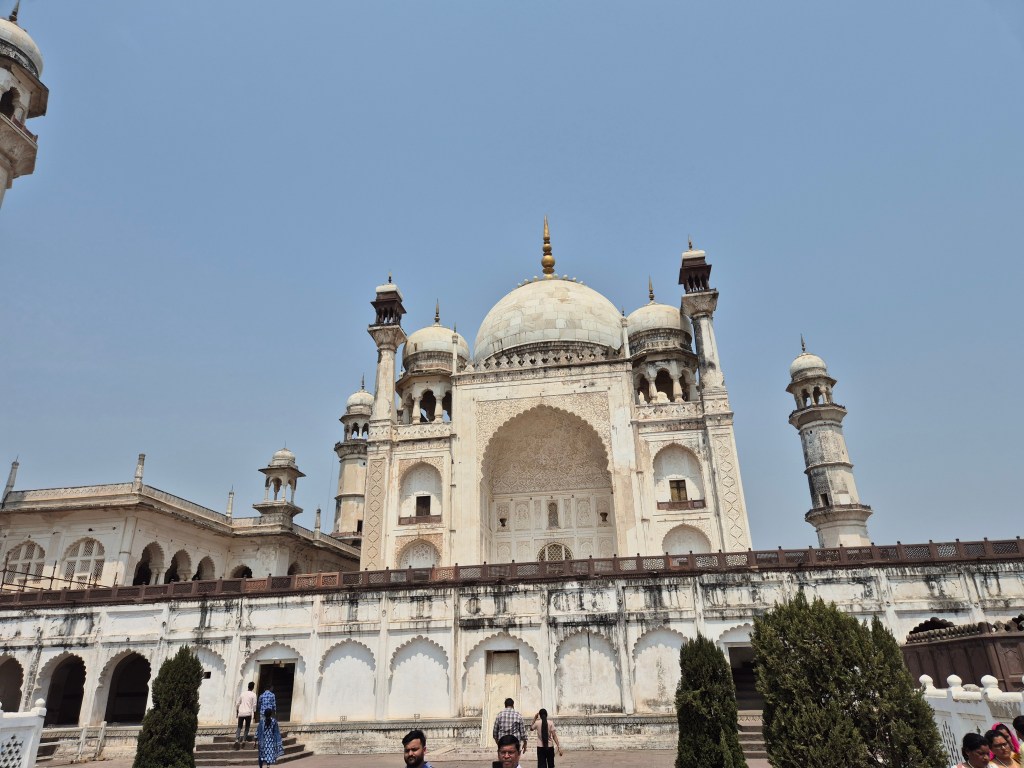
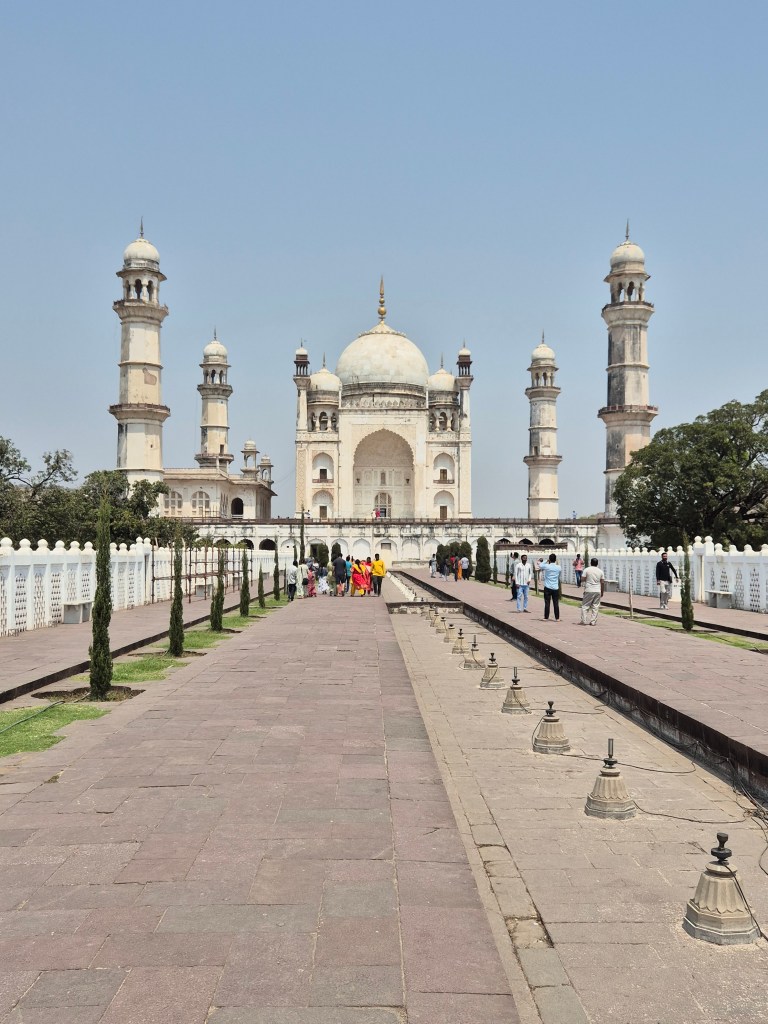
    The next day, I visited Bibi Ka Maqbara, often called the Taj of the Deccan. Built by Aurangzeb’s son in memory of his mother, it may not match the Taj Mahal in scale, but it certainly carries an understated charm. The white dome set against the blue sky, with manicured gardens leading up to it, gave me a quiet sense of peace.

    Souvenirs That Spoke to Me

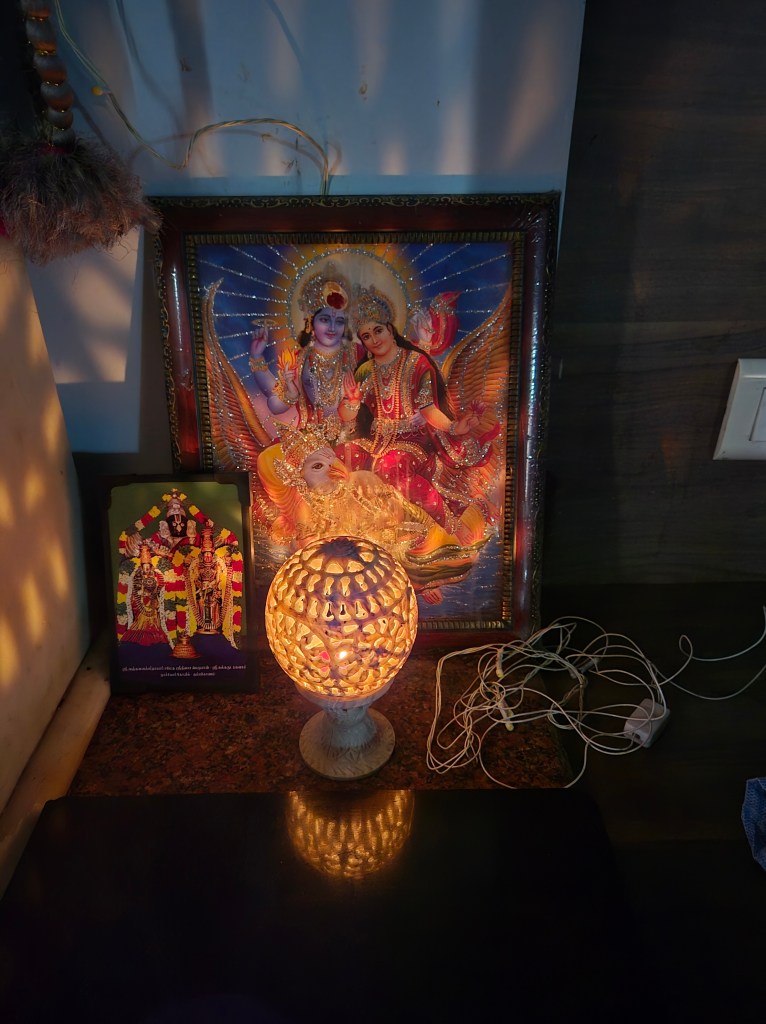
    At Ajanta,I also bought a couple of stone-carved souvenirs — a lamp holder and an incense stick holder. Small but meaningful, they now serve as tactile reminders of the artistry and devotion I witnessed during my journey.

    Closing Thoughts

    Ajanta showed me how art can survive across centuries, while Bibi Ka Maqbara was a reminder of how legacy can echo even in replicas. And yet, the day wasn’t over—my journey still had one more chapter left.

  • My trip to Sambhaji Nagar (Aurangabad) began with what I can only call a breathtaking plunge into history. Day 1 was dedicated to the magnificent Ellora Caves and the imposing Daulatabad Fort. Both sites left me in awe, not just of their scale and artistry, but also of the stories they continue to tell through stone and space.


    Grishneshwar Temple – A Sacred Prelude

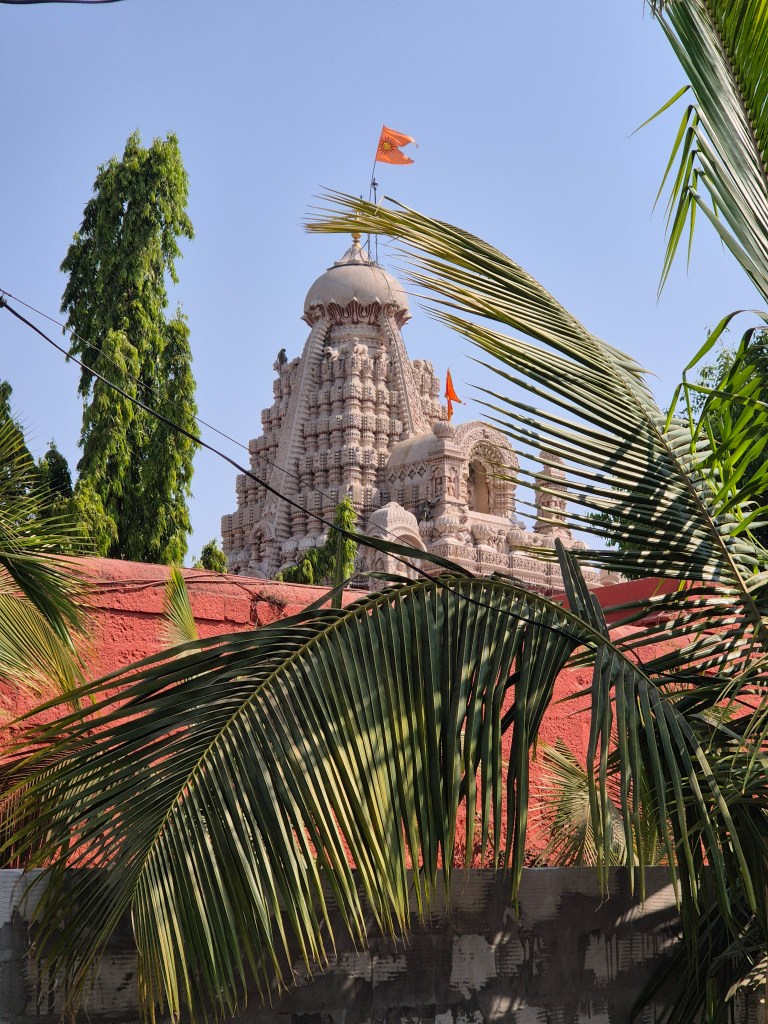
    Before stepping into Ellora, I visited the Grishneshwar Temple, one of the 12 Jyotirlingas. The temple is alive with spiritual energy and sets the perfect tone for the day. It was very crowded at the time I went.  Like Tirupati and other such temples, mobile phones are not allowed inside.  Also, I did not see any special queue for VIPs in the temple.  I had a nice darshan and also had the opportunity to have darshan during abhishek.

    Ellora Caves – Carved Time Capsules

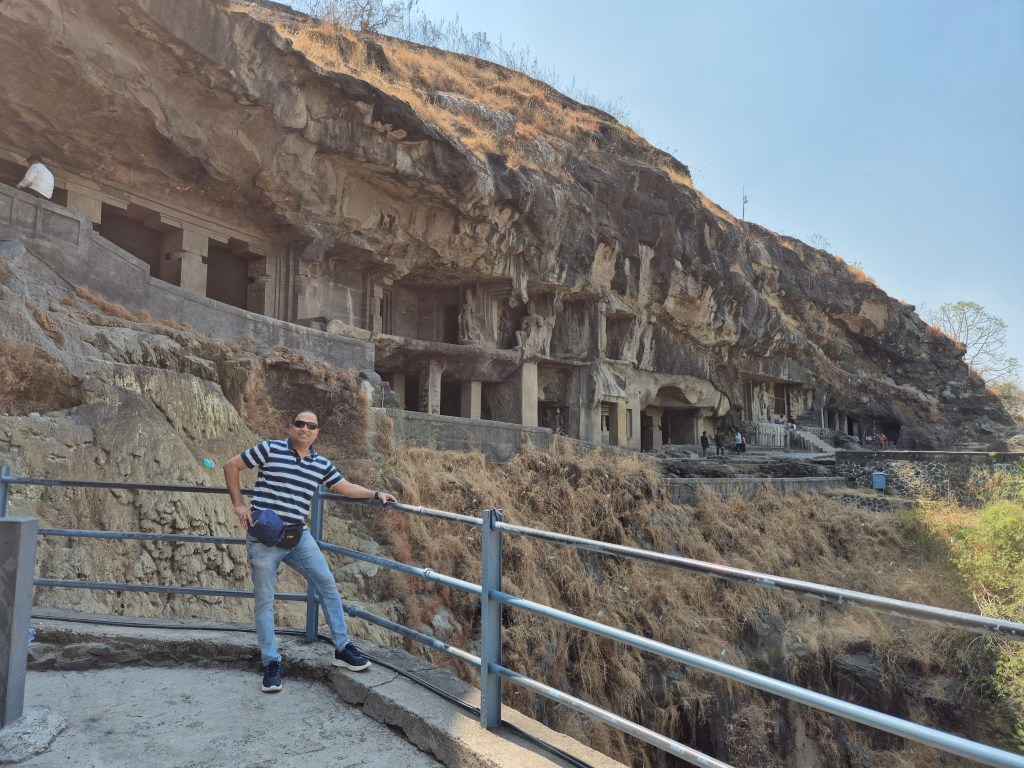
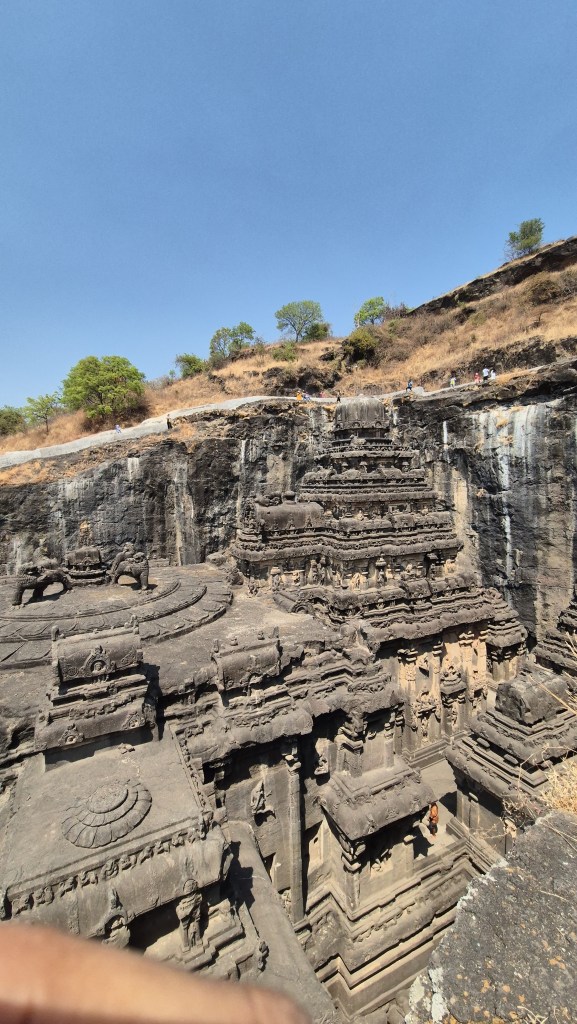
    My next stop was Ellora, a UNESCO World Heritage Site, it comprises 34 caves spanning Buddhist, Hindu, and Jain traditions, dating between the 6th and 10th centuries CE. Each cave is unique, but together they form one of the world’s greatest rock-cut architectural ensembles.

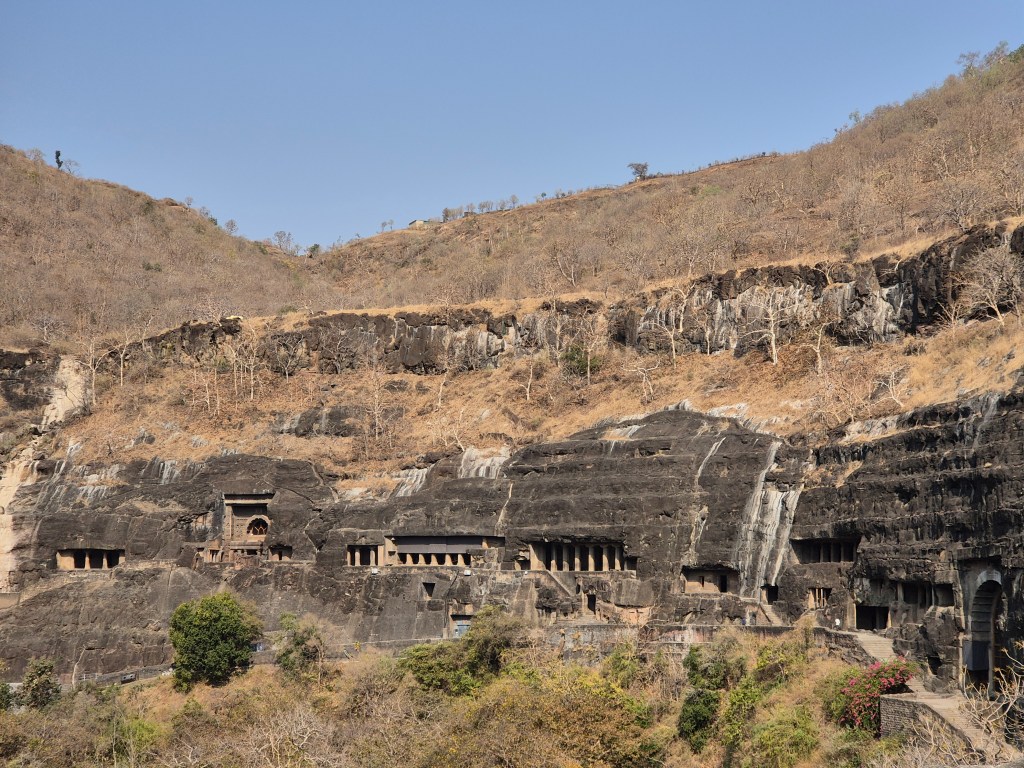
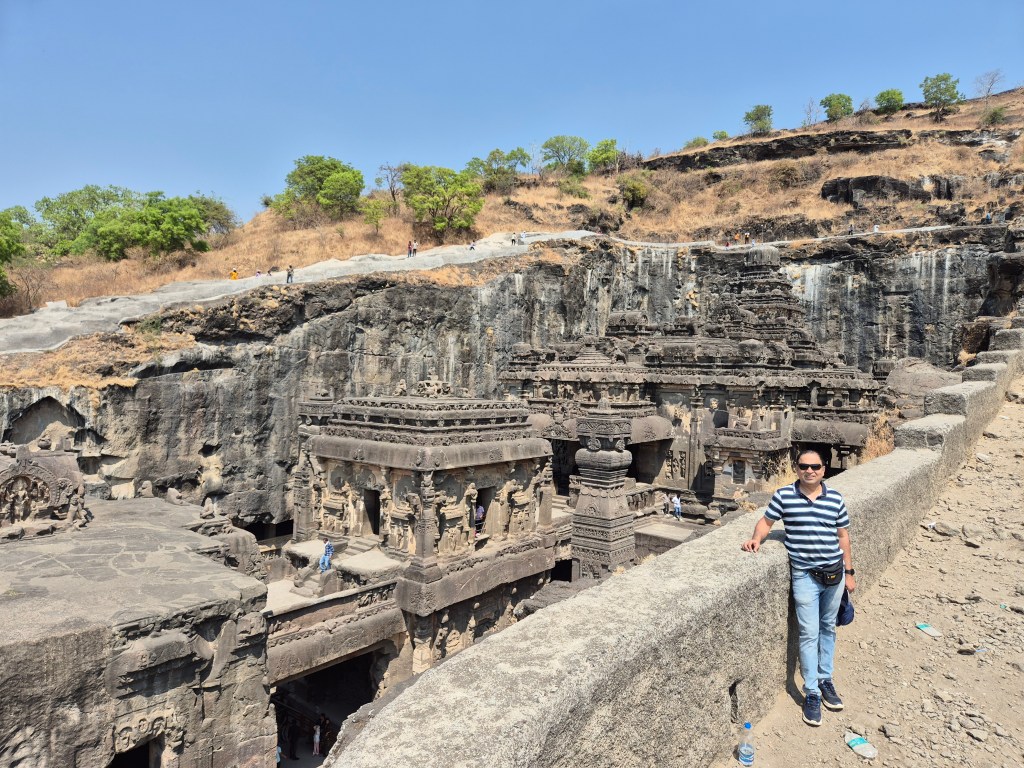
    A view of various caves. Understand during rainy season, there will be a waterfall here
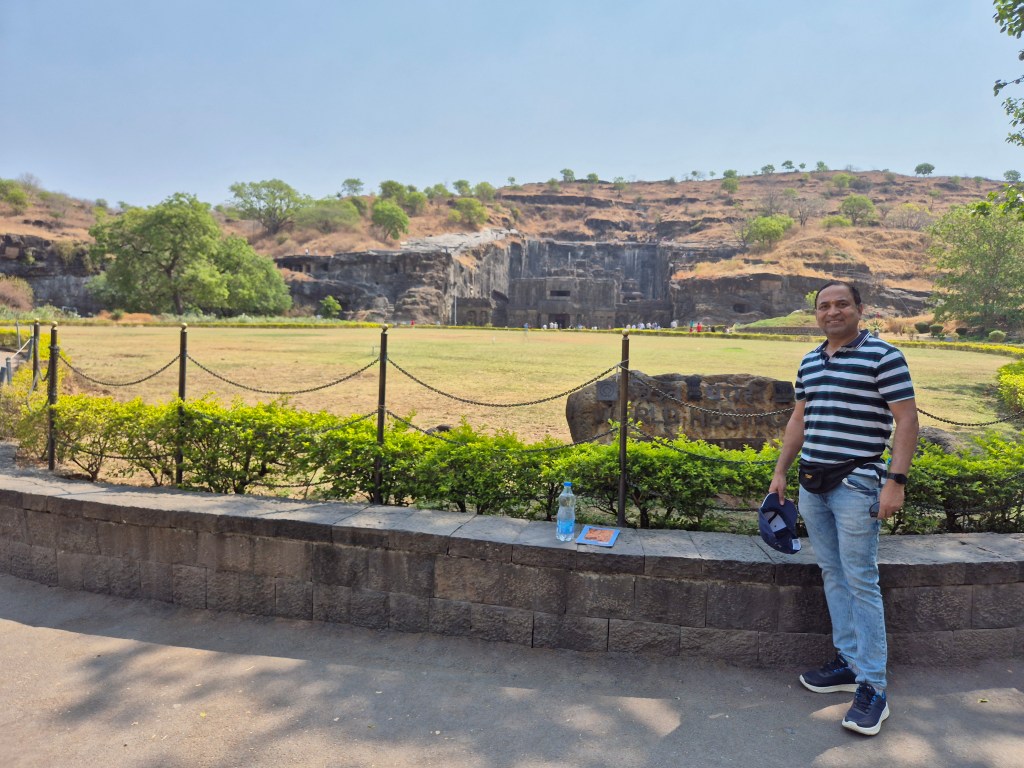
    At the entrance to the caves, you see Kailasa temple in the background


    Buddhist Beginnings

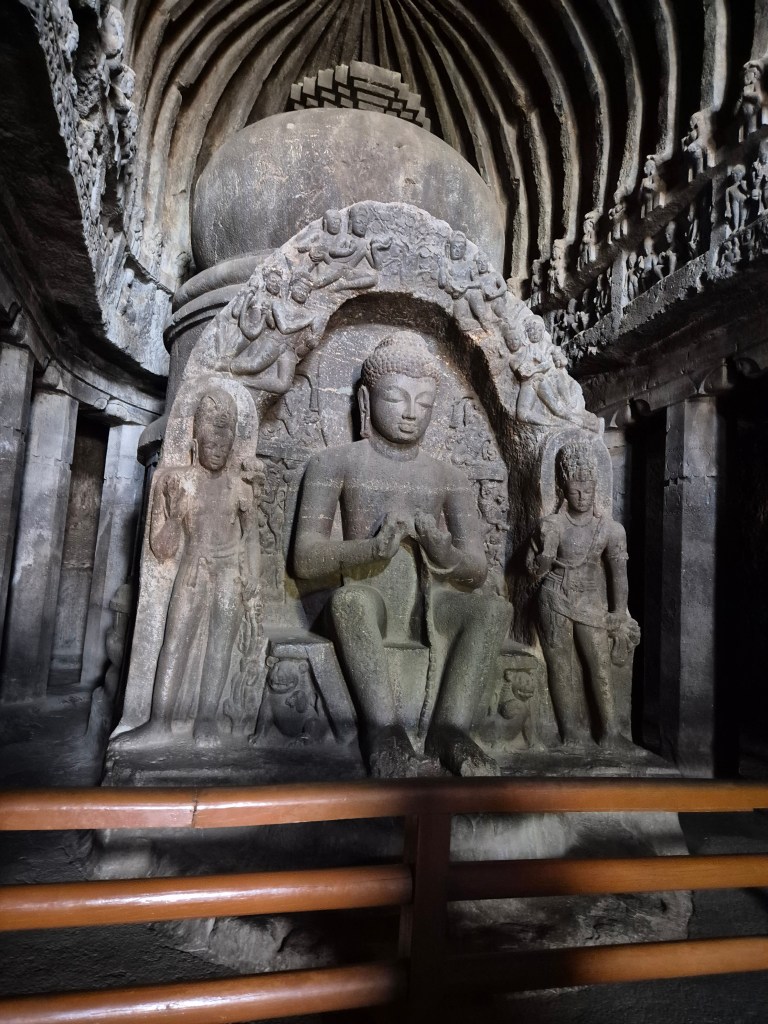
    I started at the Buddhist caves, their quiet interiors creating a contemplative space.Interesting multi story buildings for prayer, dining and rooms for the monks.  The provision for water and light was very interesting. There is a hole made for the lamp to be kept in the same rock which is the pillar for holding the ceiling.  Water around each cave, carefully done for ensuring people have their thirst fulfilled instantly near them. 


    Sculptural Splendour

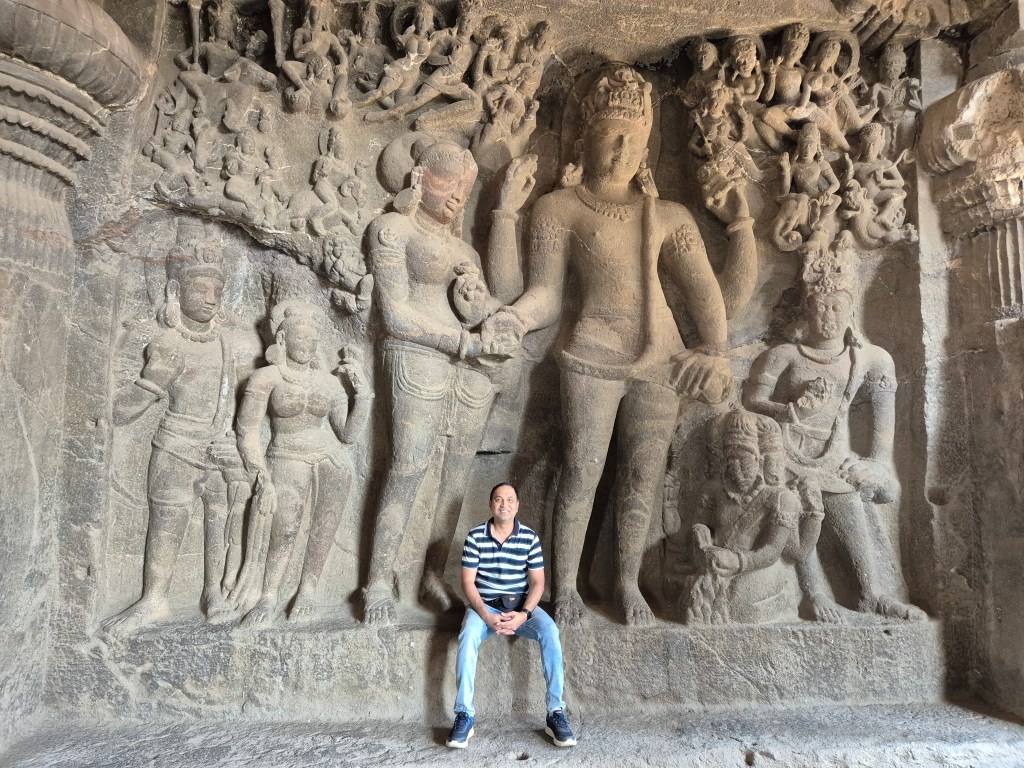
    The Hindu caves are alive with movement, drama, and divinity. I was struck by panels where myth and art meet in eternal stone.A couple of not to miss monuments include the Kalyana Sundareswara panel, where the scene of wedding between Shiva and Parvathi is displayed. I come from a village in Tamil Nadu where the temple is called Kalyanasunderaswarar (Nallur Village near Kumbakonam) with a similar scene behind the shiva linga. 

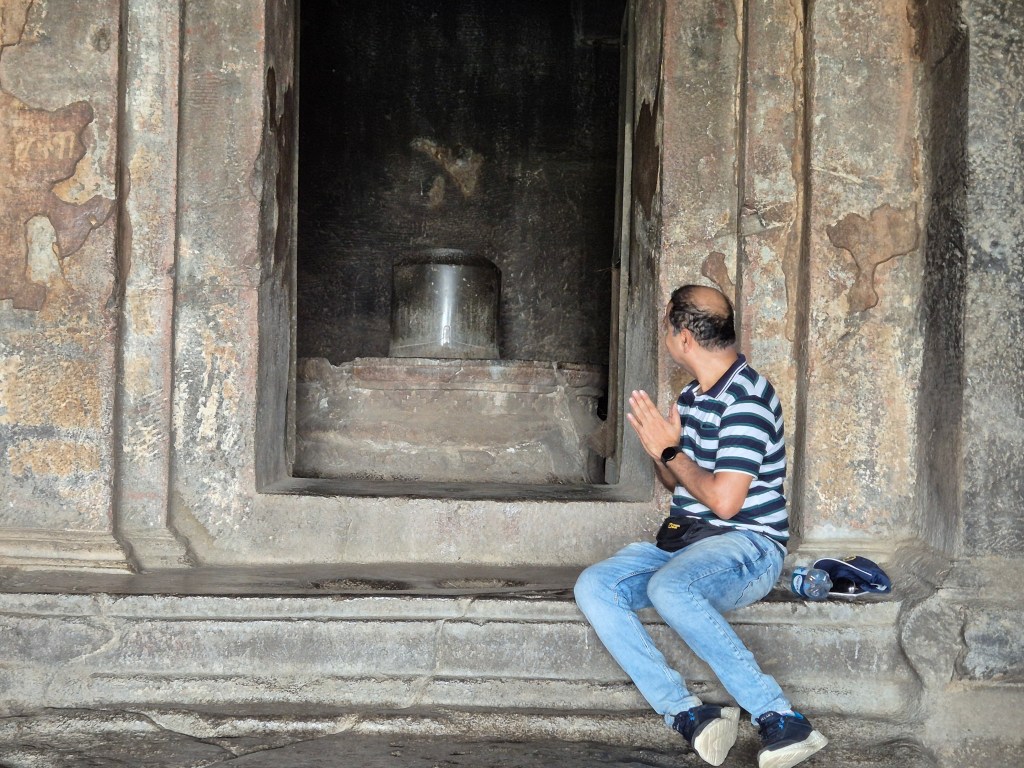
    A reflective Shiva Linga which was shining like a glass was also an interesting experience.  The surreal shine coming from a rock is something worth seeing and experiencing

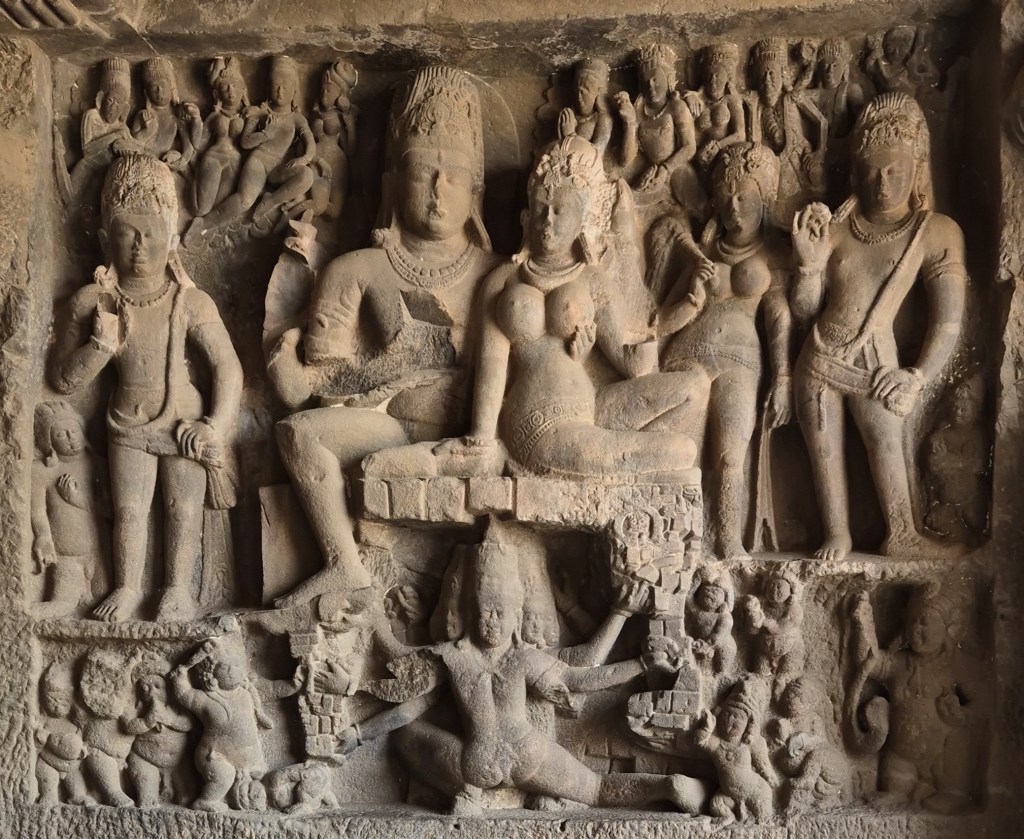
    A panel where Ravana is shaking the Kailash Hill is again interesting.  There are multiple panels but one where Ravana is losing his footgrip is brought out very well by the artists.  

    Then I went on to the Jain section of the caves.  Again beautiful, multi story caves with intricate artwork.  I saw a very large elephant at the entrance, idols of Bahubali, Ambika and Saravanabuthi and more at these caves.  This is one set of caves for which you can take a battery car, as the distance is fairly long. 

    Kailasa Temple – The Jewel of Ellora

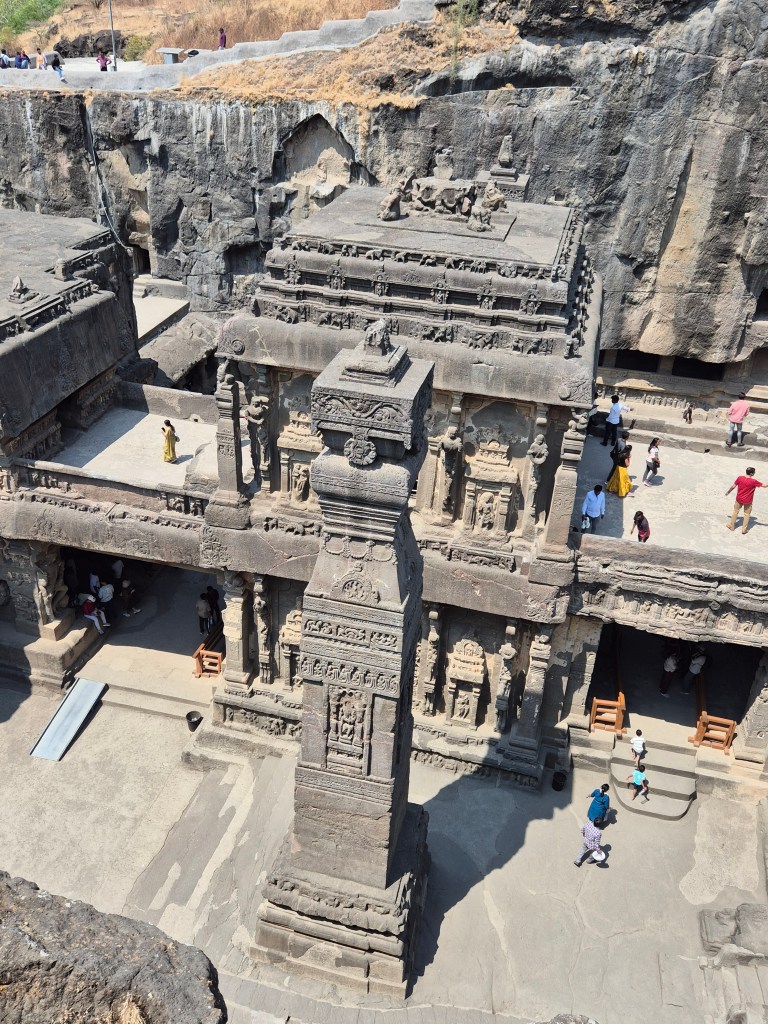
    The undeniable highlight of Ellora is Cave 16 – the Kailasa Temple. I reserved it for the last during my visit as logistically, the entry and exit is just across the cave. The humongous size of the chariot based temple with so many details from petals of a flower to the stories of Ramayana and Mahabharatha all carved top-down on a single rock is almost impossible to comprehend unless you see it in person.  In my view before running to see Loure and Smithsonian museums, every Indian should visit the Kailasa Temple.

    You will also encounter the popular pillar in the temple which has made is way to the Indian ₹20 note, While it is a reasonable acknowledgement of the splendor of Ellora, it falls awfully short of bringing its majesty to the world. 

    Popular pillar which has found its place in the Rs. 20 note

    When I exited the Ellora caves, I was fully exhausted, so was my phone. I had no power in my phone even to call my driver.  I had to take the help of other cab drivers around who were very kind and allowed me to charge the phone till I had enough power to call the driver and move on for my late lunch followed by a visit to the Fort. 

    Daulatabad Fort – Massive, Secure and Artistic Citadel

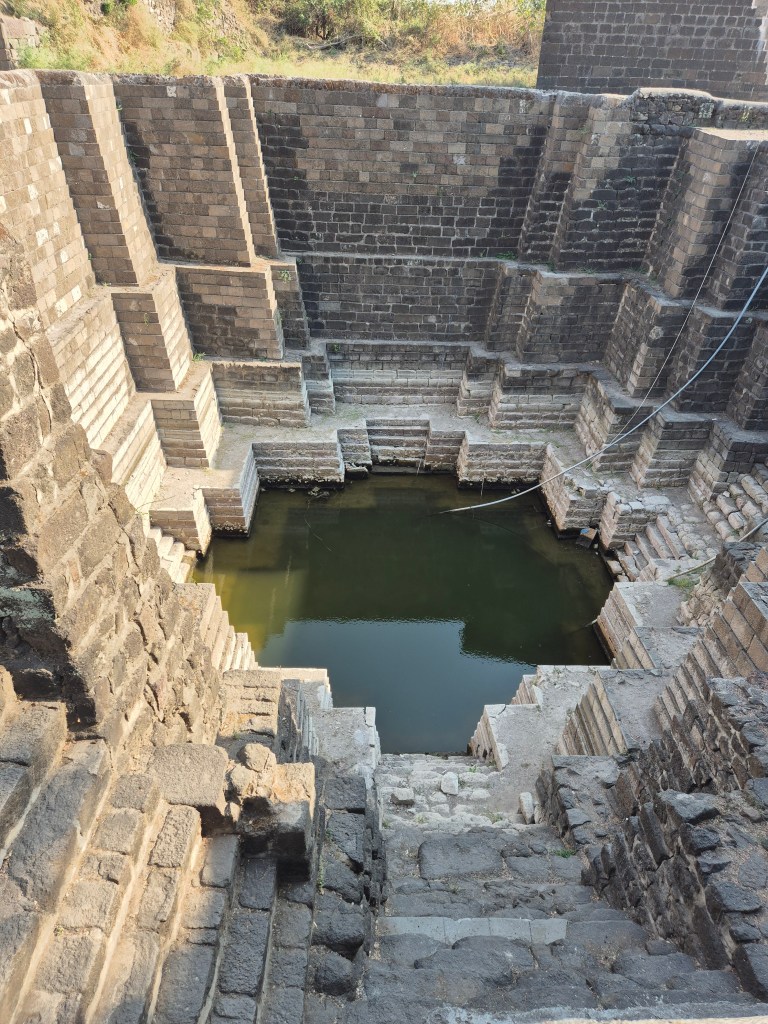
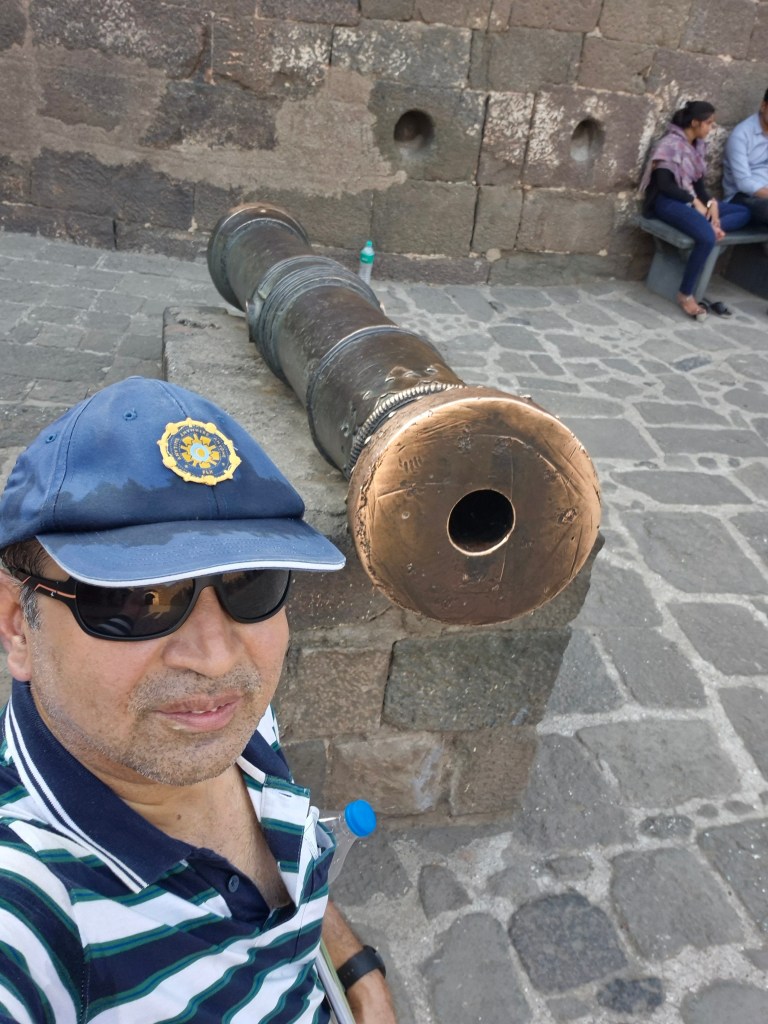
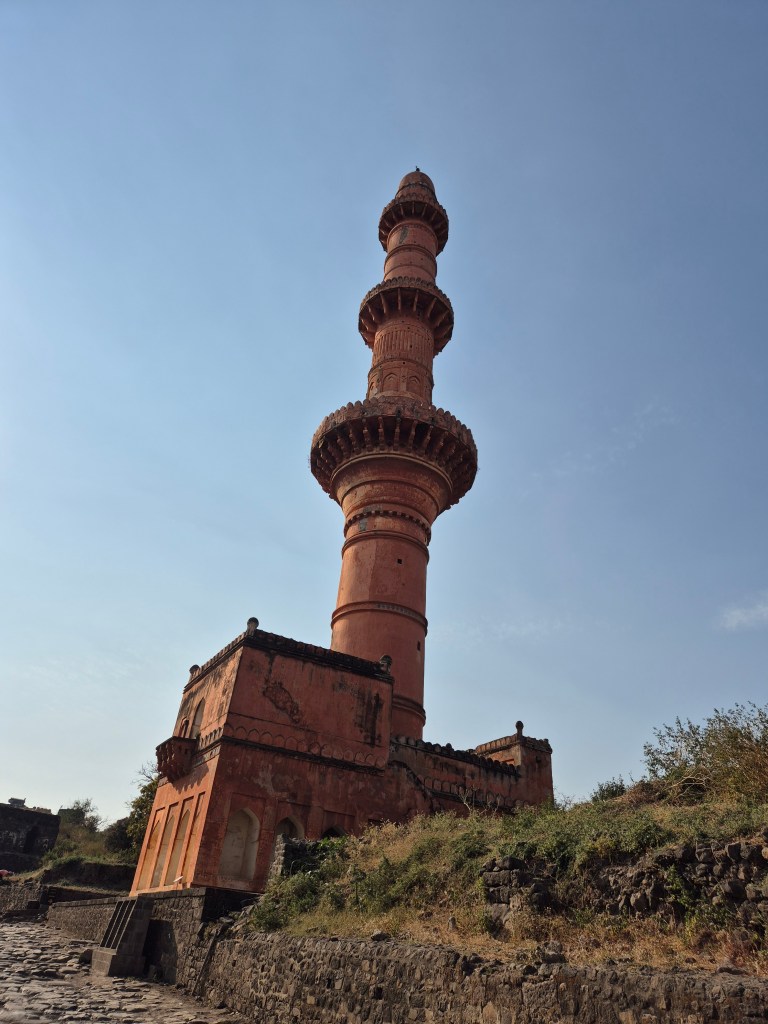
    In the afternoon, I headed to Daulatabad Fort, an architectural gem, strategic positioning and so many risk management techniques implemented in such a way that a new person entering (read enemy) will like to lose his way in the steps up.  It was a bit late in the evening. I had to rush to return as it was very near the closing time.  I did have fun climbing up the stairs, looking at the nuances of a fort and returning back.  Of course did take a few photos as well.

    Tips for Travelers

    • Time allocation: Keep 4-5 hours at least  for Ellora. The Kailasa Temple alone deserves 90 minutes if not more
    • Highlights not to miss: The Kalyanasundara wedding panel, the Ravana shaking Kailash panel, the reflective Shiva Linga, and of course, the Kailash temple 
    • Combine smartly: Visiting Ellora and Daulatabad Fort on the same day makes sense geographically and logistically. But it will be difficult if you are not fully fit. 

    Closing Day 1

    Day 1 left me both exhausted and exhilarated. The scale of Ellora, with its living blend of faiths, and the might of Daulatabad reminded me of how history is not just to be read, but to be walked through.

    And yet, this was just the beginning. The next day was reserved for Ajanta Caves, a site as breathtaking in its art as Ellora is in its architecture. So I went back to the hotel and took a good rest along with a jacuzzi to get fresh. Stay tuned for Part 2: Ajanta & Bibi Ka Maqbara.

  • Beaches are always alluring. Having grown up in Chennai with Marina Beach nearby, visiting the beach has always been a fond childhood memory. After moving to Hyderabad 28 years ago, I visited beaches much less often. I’ve had the chance to see beaches in Goa, Mauritius, and Antigua, so I wasn’t expecting Andaman to be very different. But once again, Andaman surprised me.

    The beaches were well-maintained, less commercialized, and breathtakingly beautiful. The professionalism, safety, and warmth of the service during the adventure activities made the trip truly memorable.

    Corbyn’s Cove Beach

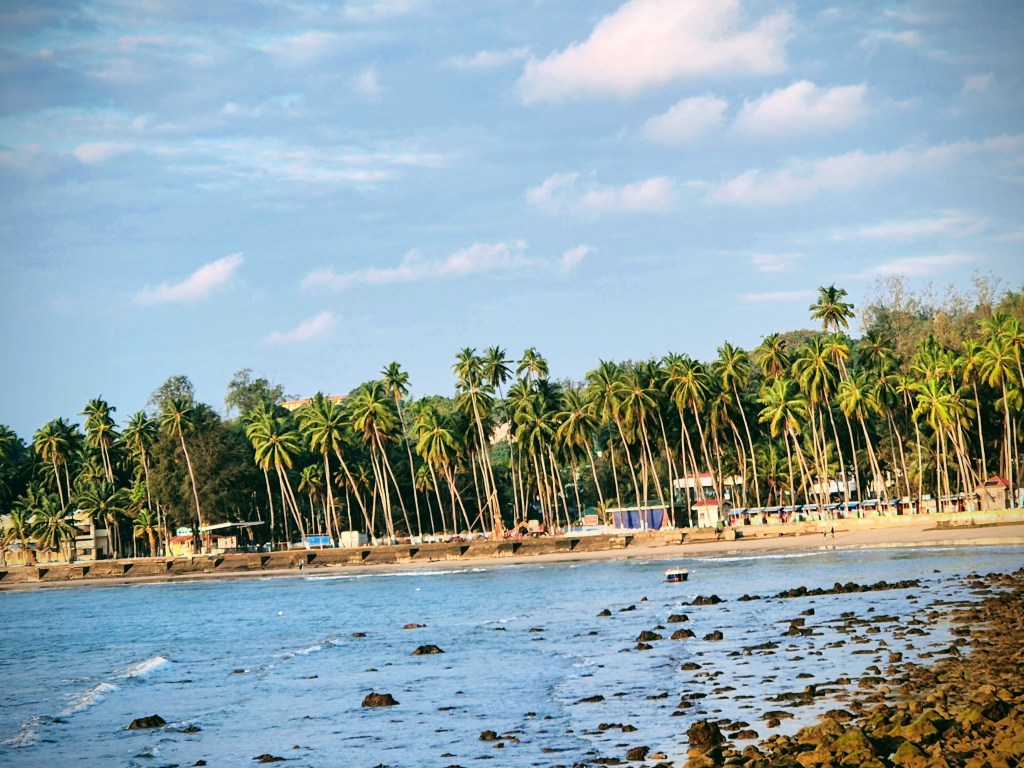
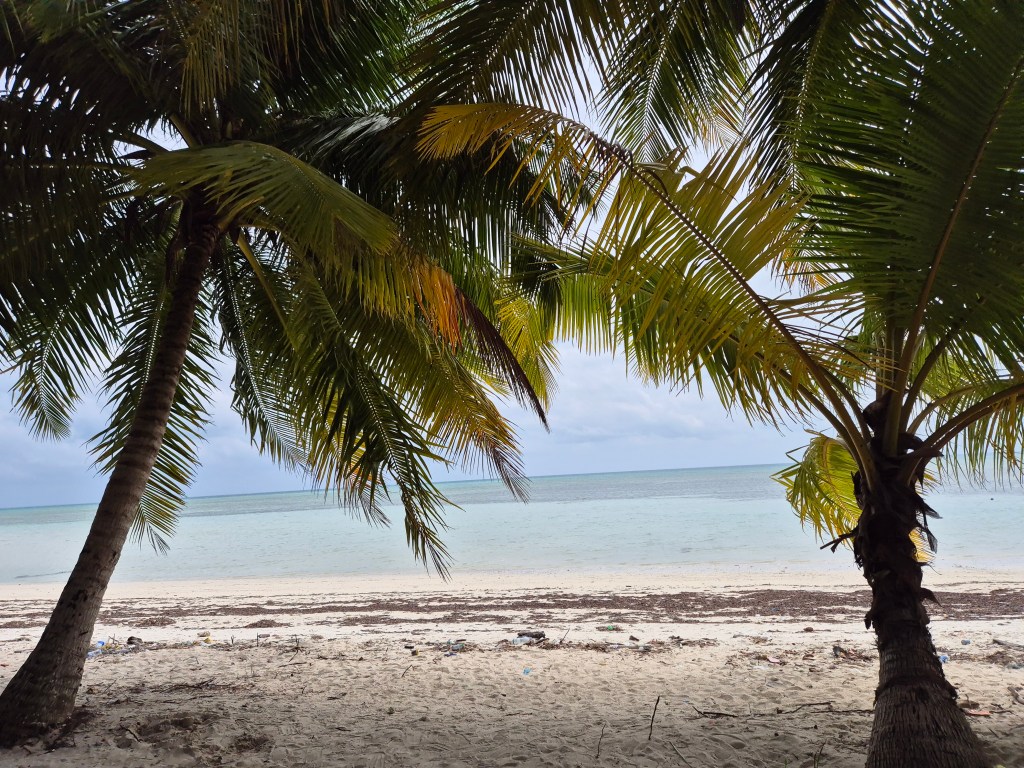
    We spent our first evening strolling along Corbyn’s Cove Beach, just across from our resort. One thing that was noticeably missing was the usual chaotic commercial activity found at most tourist spots. The beach had only a few simple huts selling basic food, souvenirs, and fruits. This was true for all the tourist spots we visited in Andaman—a good lesson for other destinations.

    Chidia Tapu

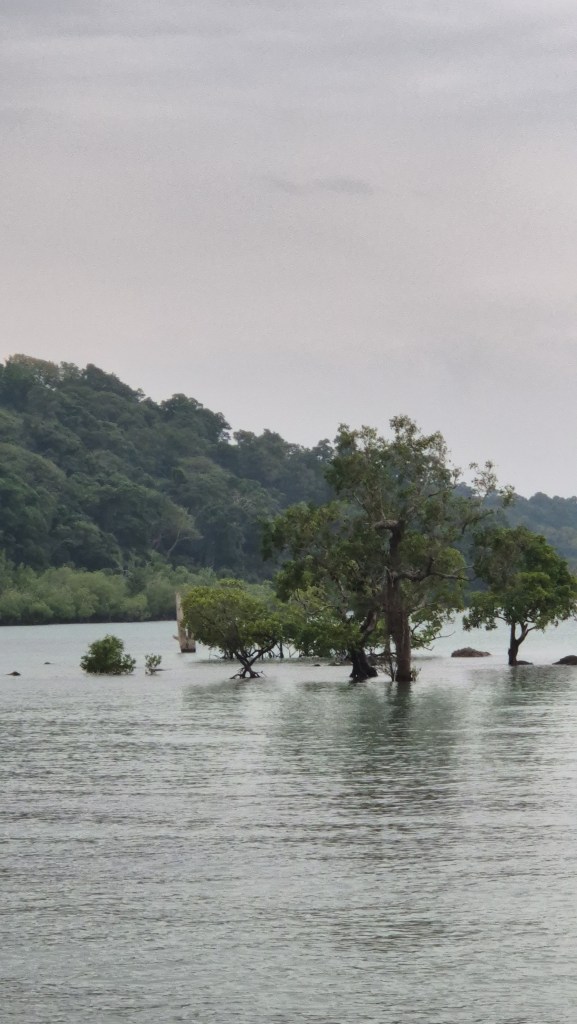
    One evening, we went to Chidia Tapu, a place known for its sunsets. It was cloudy the day we went, so we missed the sunset, but the place was still great for spending time and taking photos. The beach had beautiful trees, a mix of sand and rocks, and even some rocks in the water where you could sit and relax.

    North Bay Island

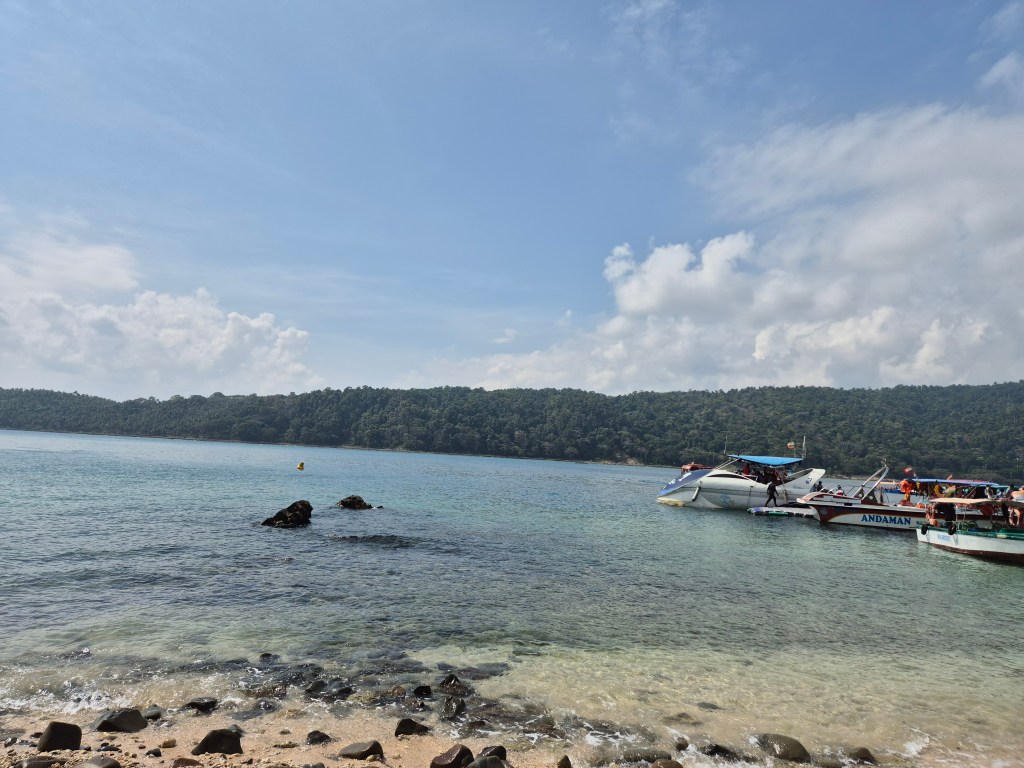
    A 30-minute ferry ride from Port Blair takes you to North Bay Island, which is full of adventure activities. If you don’t plan to visit Elephant Beach on Swaraj Dweep, North Bay is a great place for water sports. Since we were heading to Swaraj Dweep, we skipped the sports and just enjoyed the beach.

    Kala Pathar Beach, Swaraj Dweep

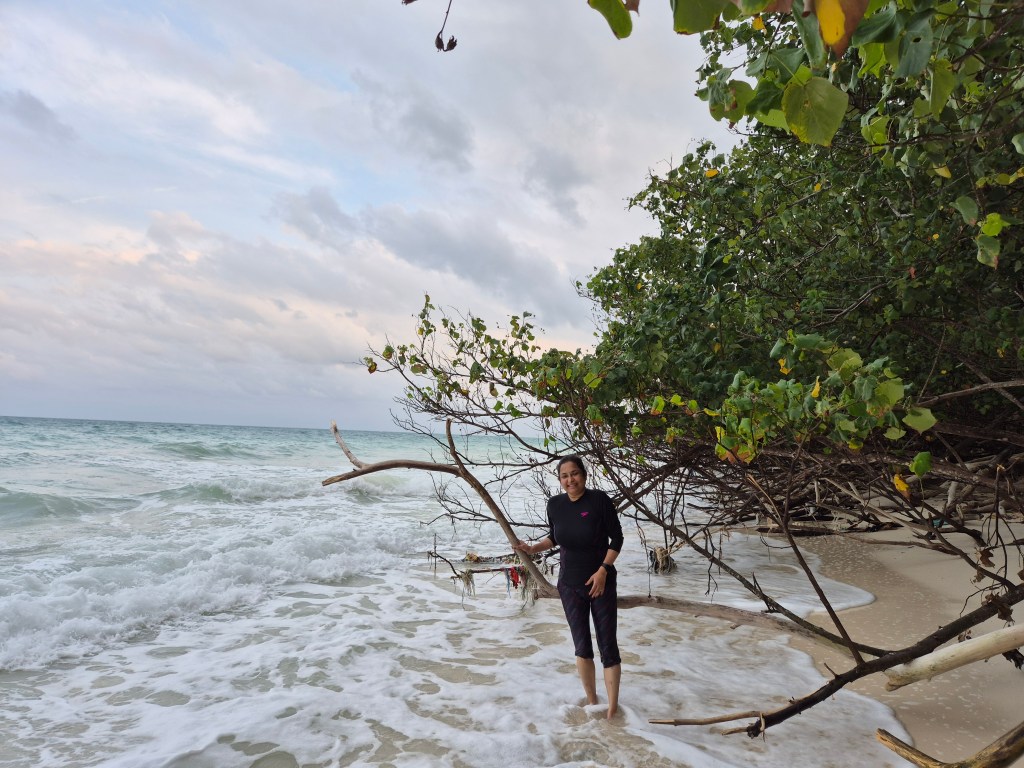
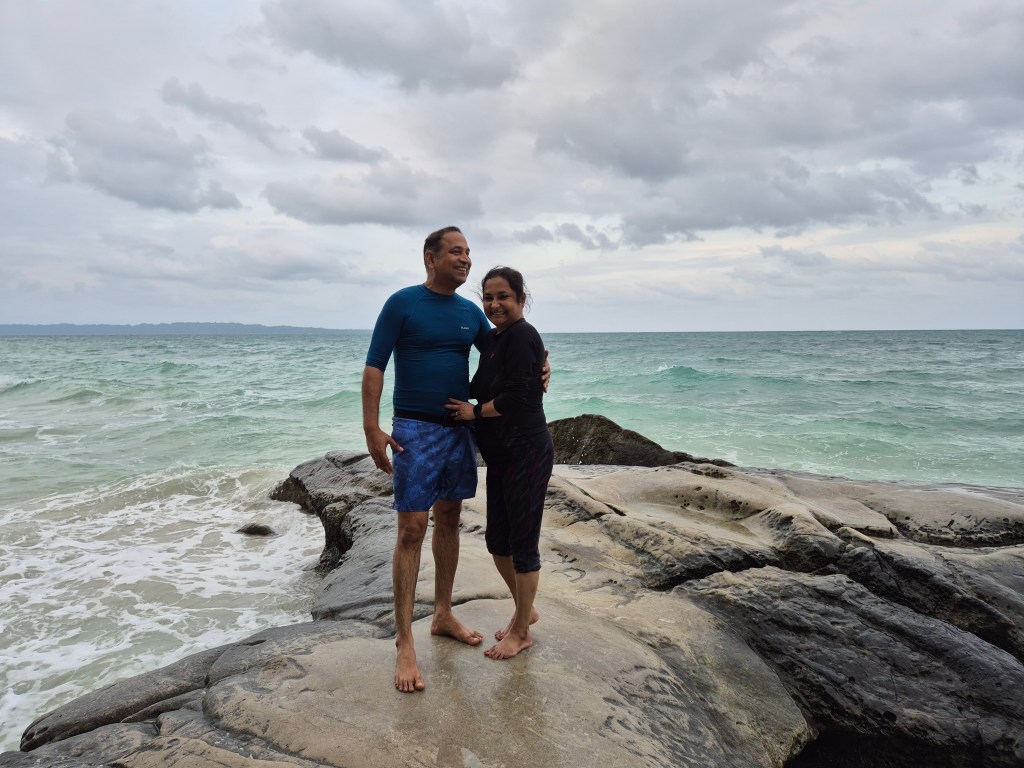
    This was the first beach we visited on Swaraj Dweep. With its white sands, green trees, turquoise water, and black rocks, it was a beautiful sight. The place is known for its sunrises, but it’s a beautiful spot to admire and take photos at any time of day.

    Vijaya Nagar Beach, Swaraj Dweep

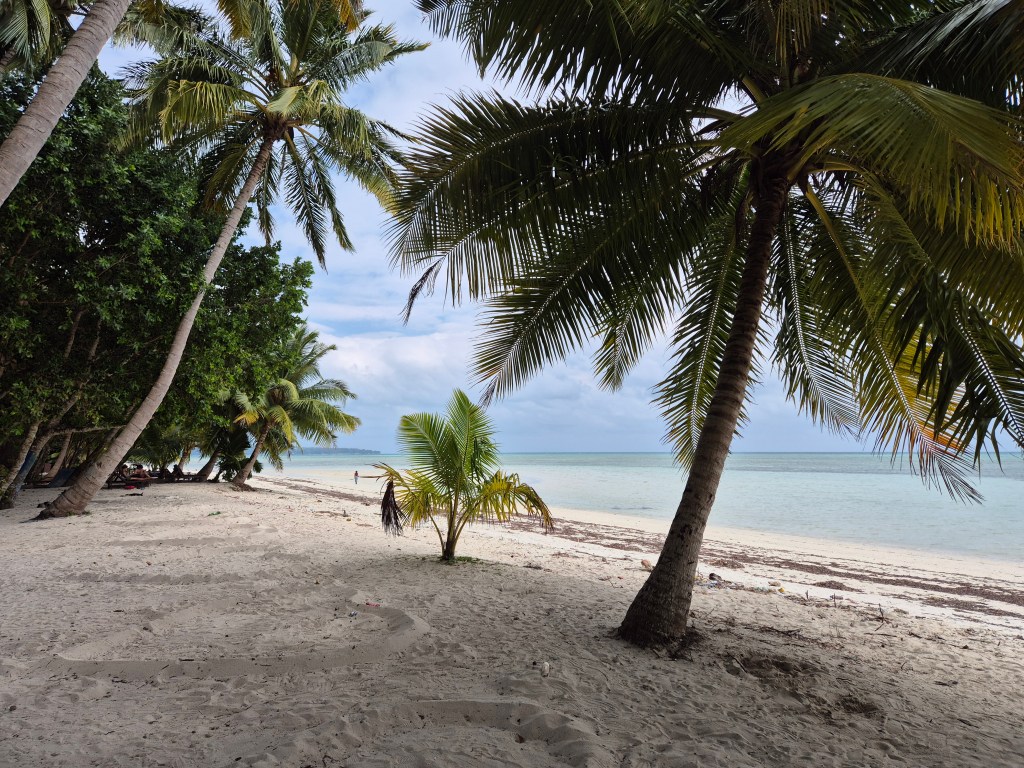
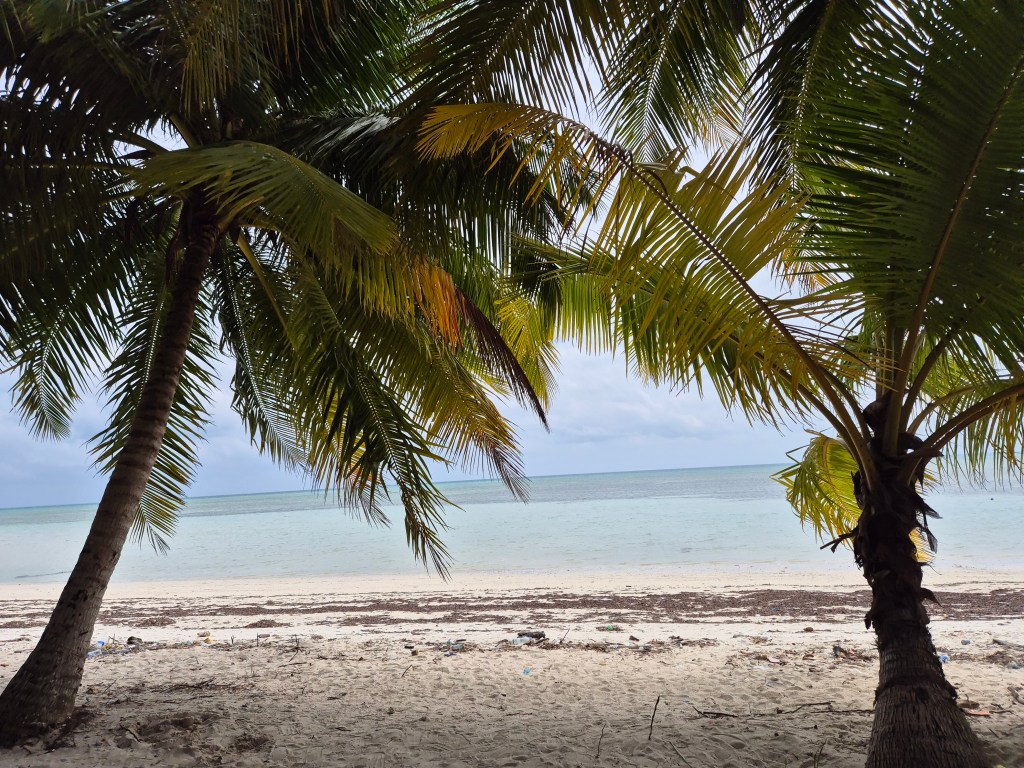
    Our resort on Swaraj Dweep was on Vijaya Nagar Beach. It’s a calm, serene beach with clear water and white sand, with a few trees providing shade. It’s also known as a great place for scuba diving.

    Elephant Beach, Swaraj Dweep

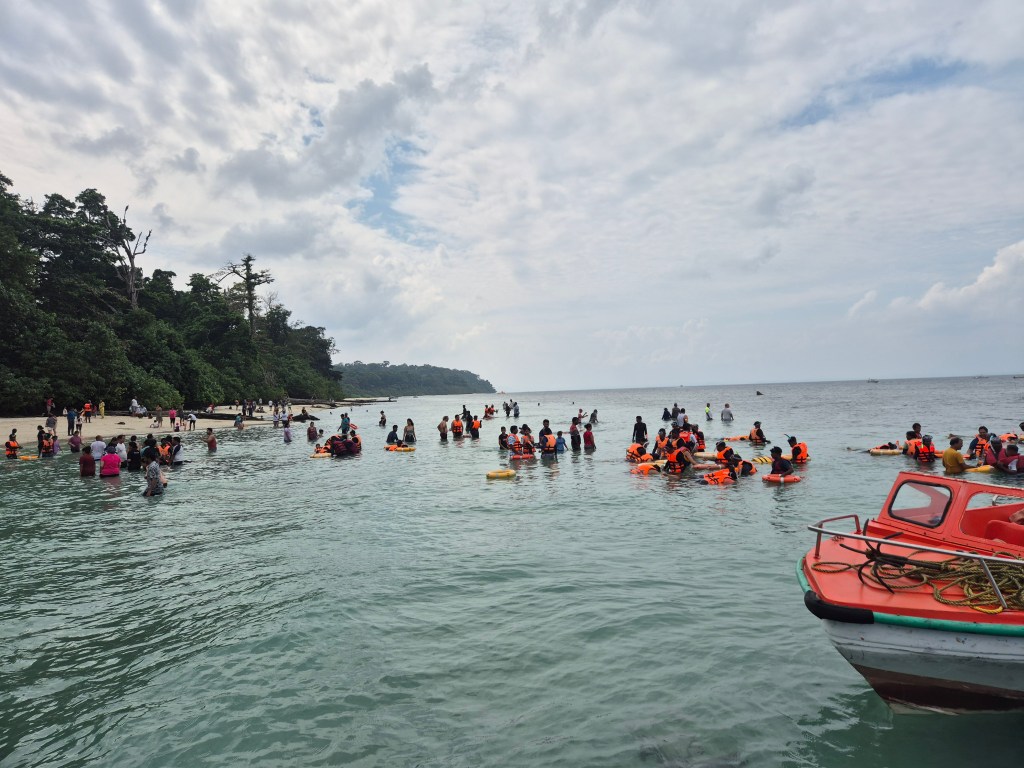
    We took a 25-minute boat ride to reach Elephant Beach, where we had booked snorkeling, a sea walk, and parasailing. The system for the rides, which was based on the boat you arrived in, was well-organized. Normally, waiting for others to finish their activities would be annoying, but the beautiful location made it a pleasure to watch people enjoy the water sports. We saw everyone from small children to the elderly having a great time. The only ride that didn’t seem to meet expectations was the submarine ride.

    Radha Nagar Beach

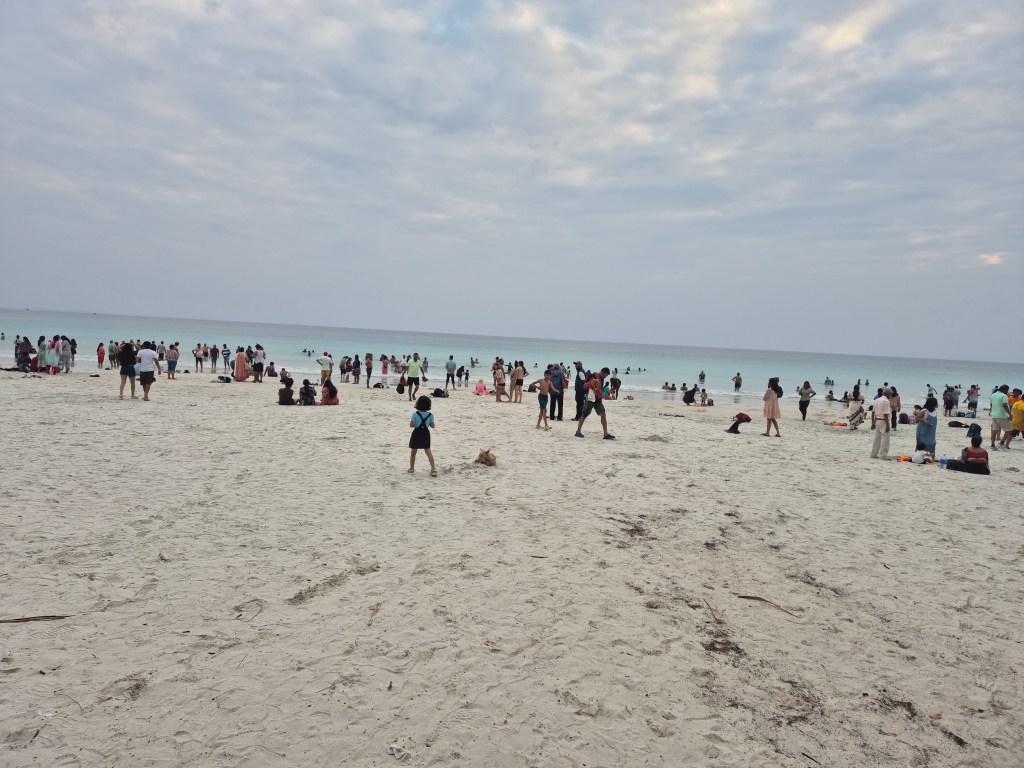
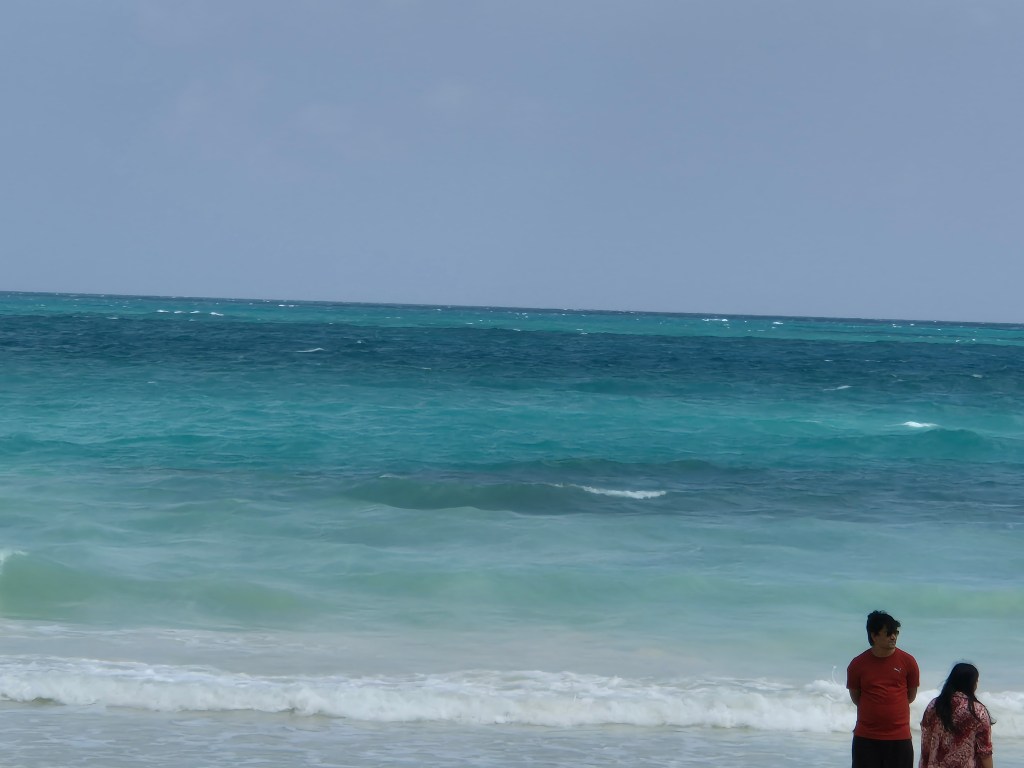
    We saved the best for last. Considered one of the best beaches in the world, we had high expectations, and this beach exceeded them. It’s a long, clean, and well-maintained stretch of sand with turquoise water. Even with a large crowd, it didn’t feel packed, and everyone had their own space to enjoy.

    In fact, we loved it so much that we returned the next morning. There were fewer people, and it was incredibly calm and soothing.

    Summary

    In summary, the beaches across Andaman make it a tropical paradise that I believe every Indian should visit before heading to global destinations like Mauritius and the Maldives.

  • When you are in Andaman, you walk through the corridors of Indian history, especially the story of our freedom struggle. You learn how the colonial powers treated those who dared to raise their voice for freedom.

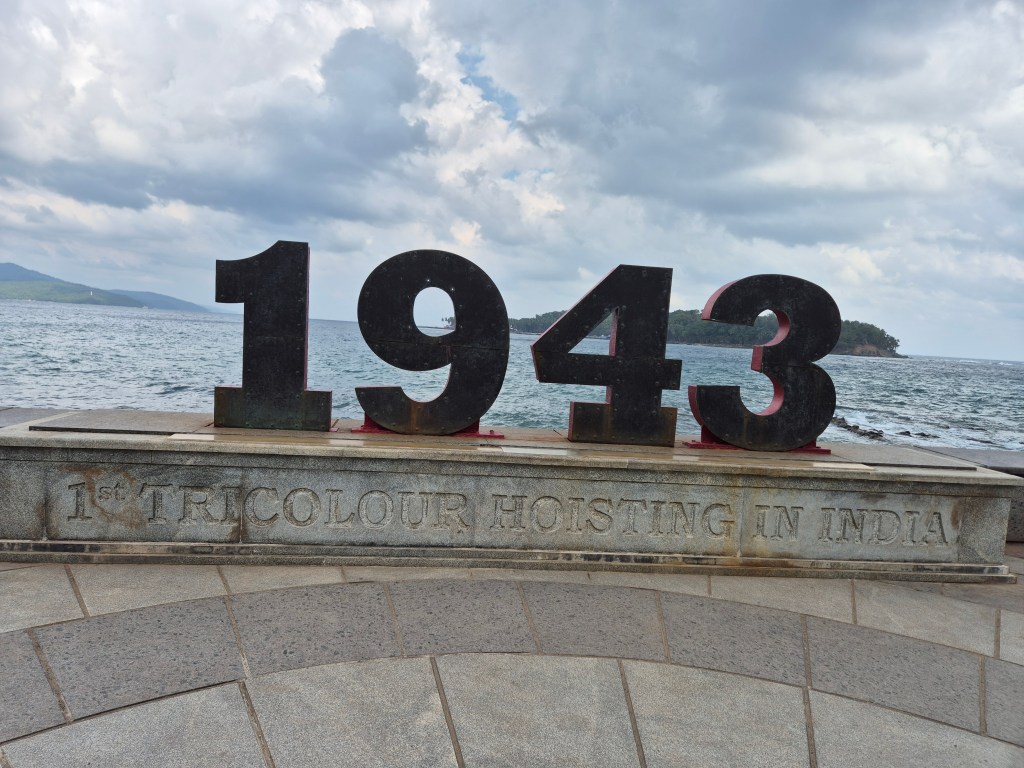
    Three places are particularly important: the Cellular Jail, Netaji Subhas Chandra Bose Island (formerly Ross Island), and the Tiranga Memorial, where the Indian flag was first hoisted in 1943.

    The Cellular Jail

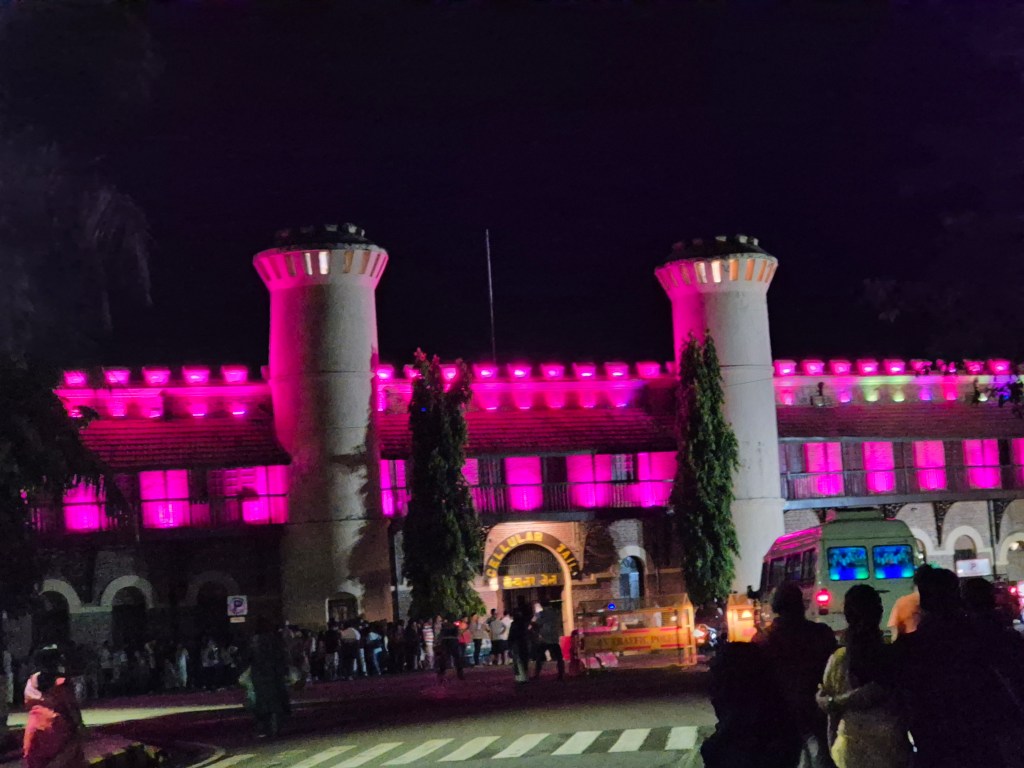
    I visited the jail twice: once during the day with a guide to learn how the prisoners were treated, and again in the evening for the light and sound show. I highly recommend experiencing both.

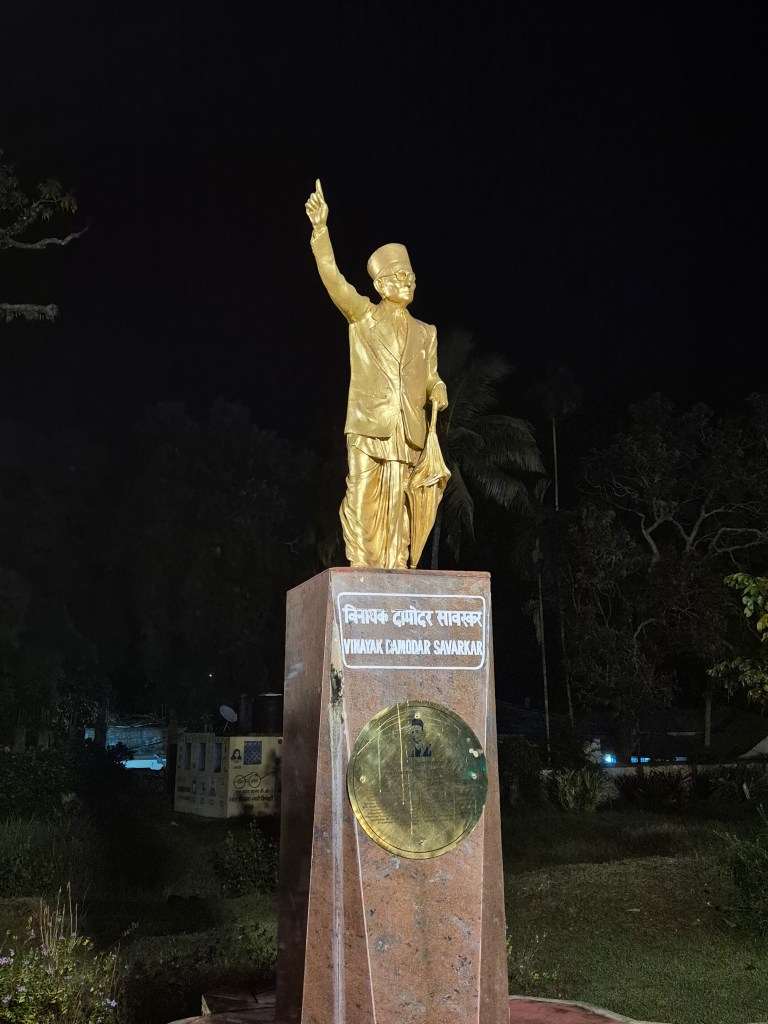
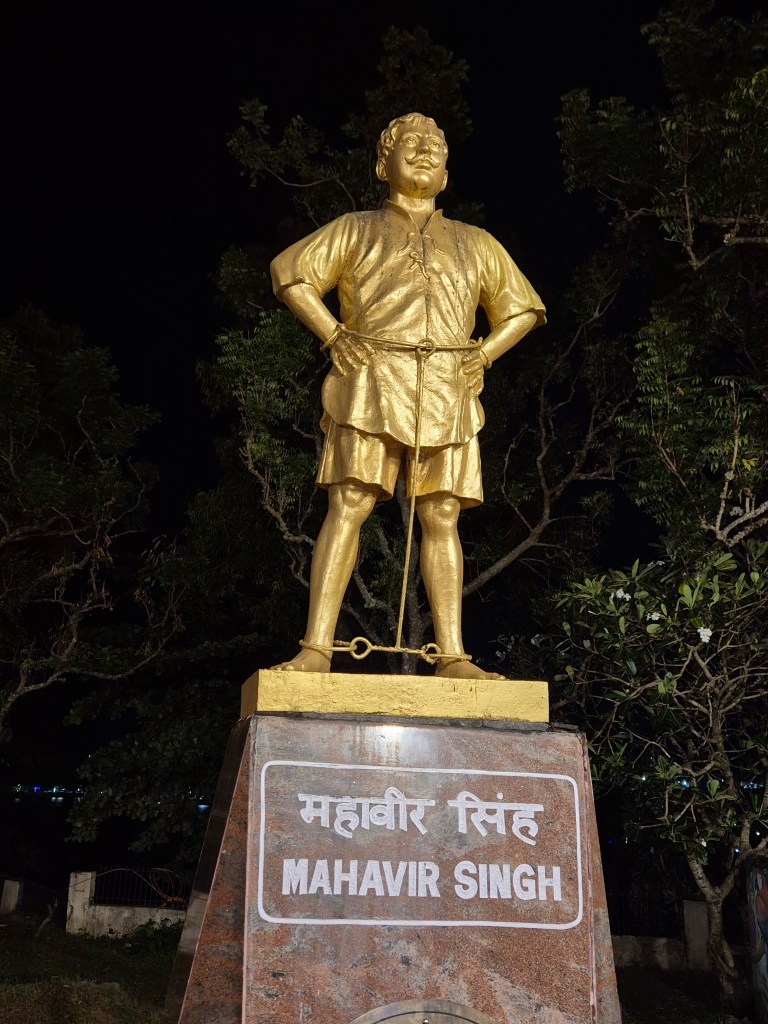
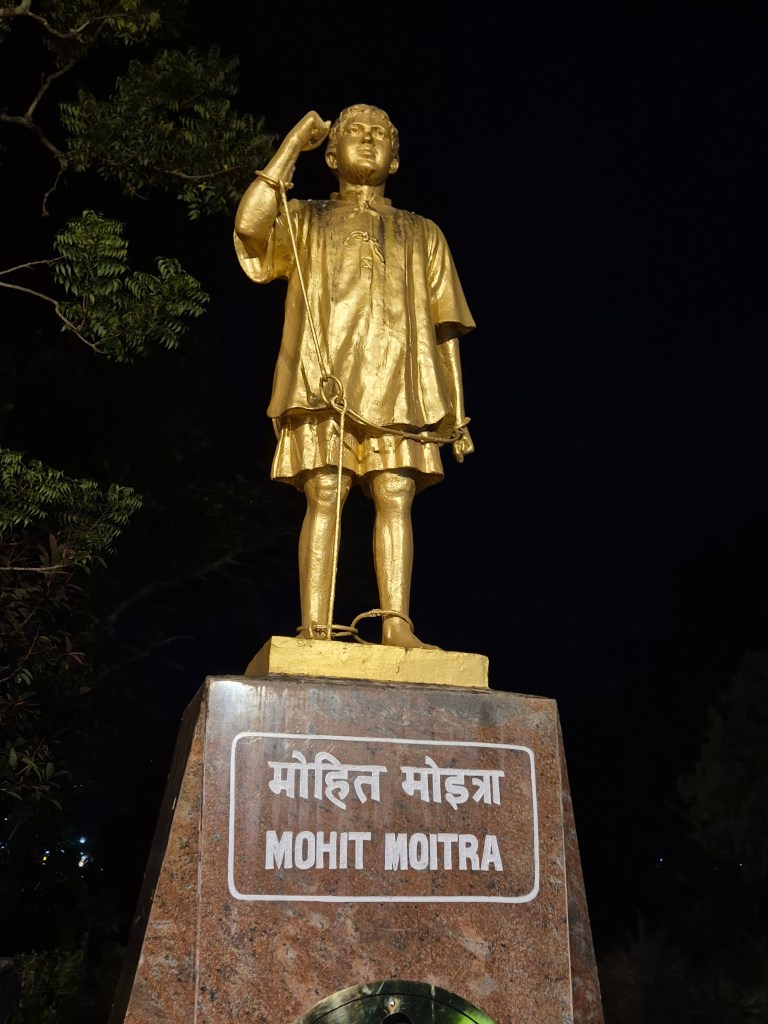
    The first thing that struck me at the entrance was how determined the colonial powers were to suppress the freedom movement. The statues outside show how the freedom fighters found the energy to fight such tyranny.

    We first visited the hanging house. The original was just an open-air platform, strategically placed so prisoners could watch their fellow inmates being hanged. Next, we saw the flogging frame, where prisoners who disobeyed orders were whipped. We were told that other inmates were forced to do the flogging.

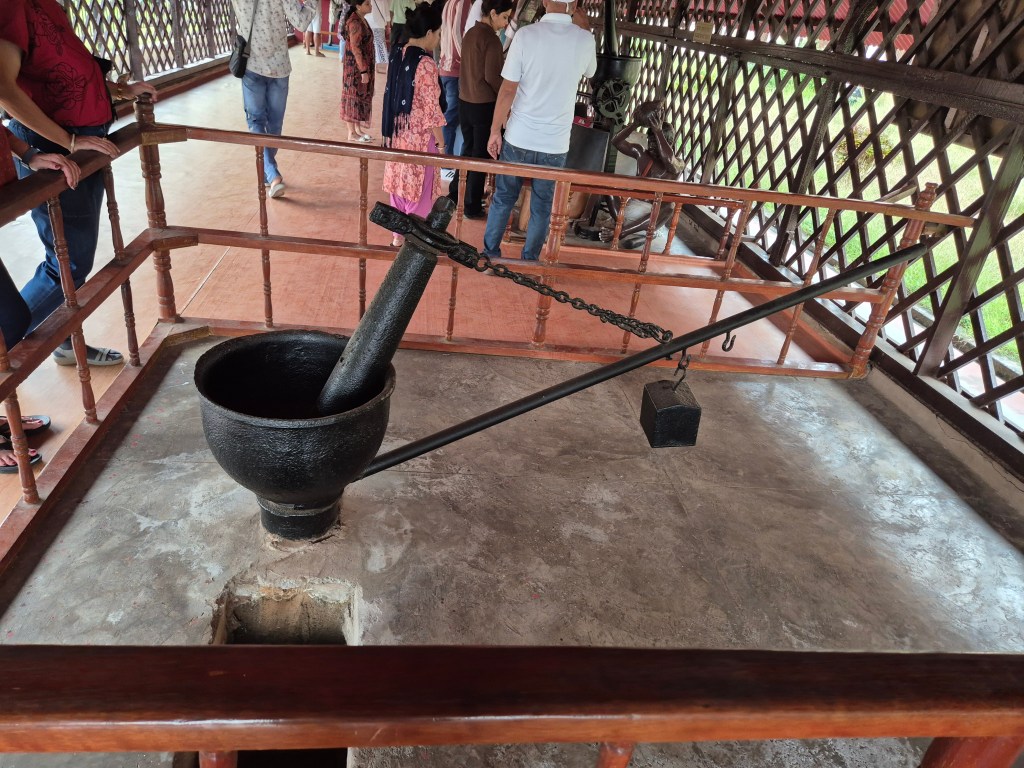
    After this, we saw the area where prisoners were forced to work on oil extraction. The work targets were incredibly high for a manual process, and the punishment for not meeting them was flogging. You can also learn from the guide about the four levels of punishment given to freedom fighters, which makes for a very emotional experience.

    Various Punishments and other key details about the Cellular Jail

    Finally, we saw the cells. They were built so that prisoners could not interact with each other. This design allowed a few guards to manage many prisoners effectively.

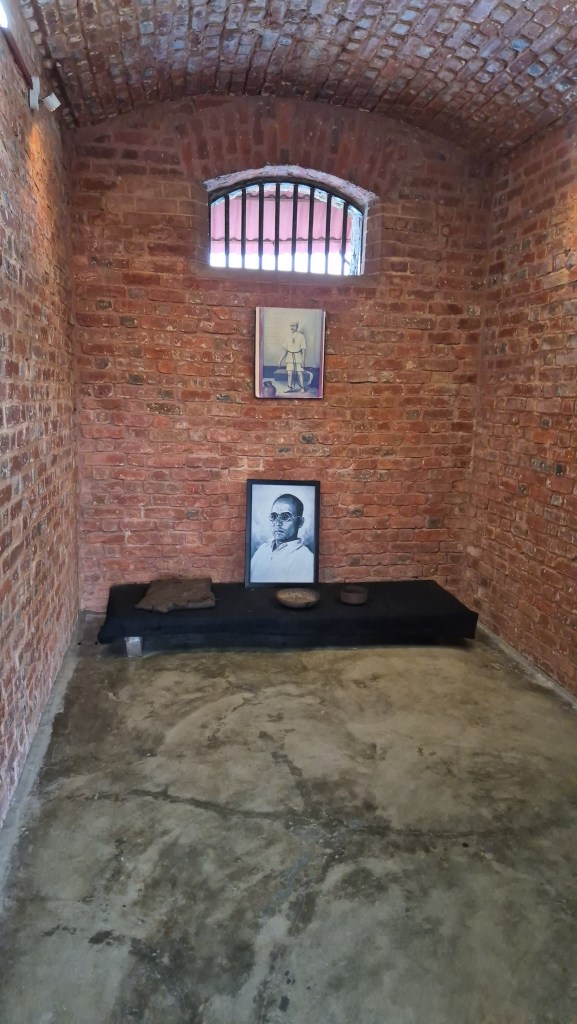
    Veer Savarkar’s cell at the Cellular Jail

    Netaji Subhas Chandra Bose Island (Ross Island)

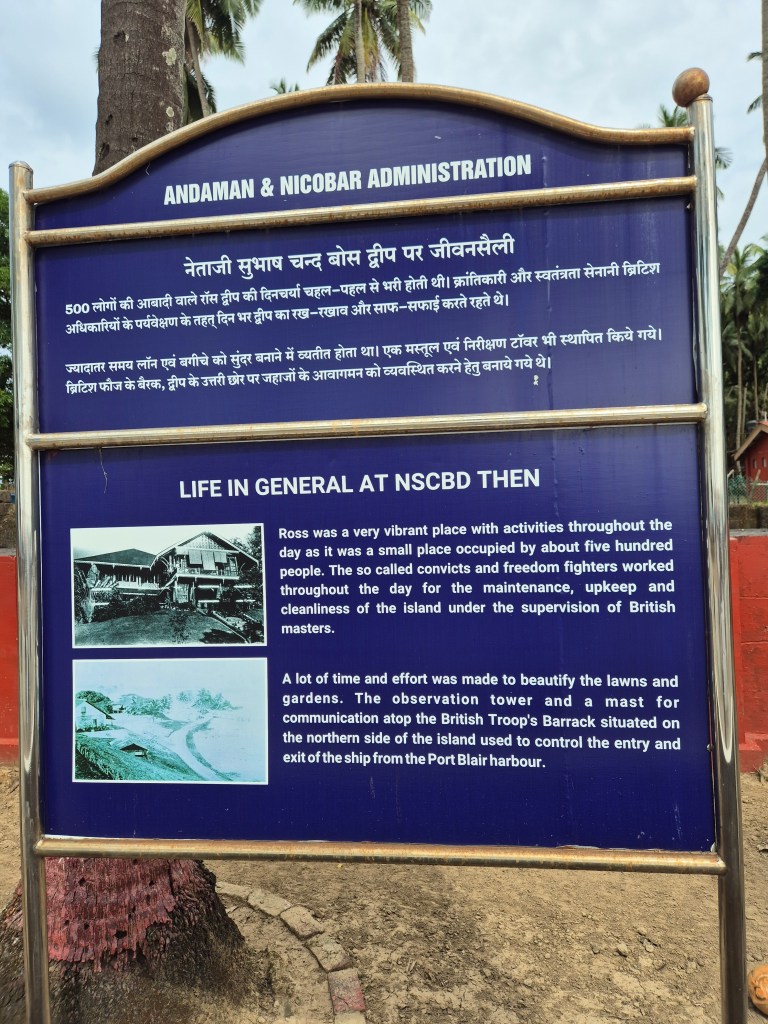
    Before the Cellular Jail was built, Ross Island was set up as a penal settlement. We learned that freedom fighters were brought to this small, overgrown island, where they cleared the land and made it livable. It later became so well-known that it was called the “Paris of the East.” The island was recently renamed after Netaji Subhas Chandra Bose. Today, you can see many deer roaming among the ruins of old buildings and bunkers.

    Tiranga Memorial

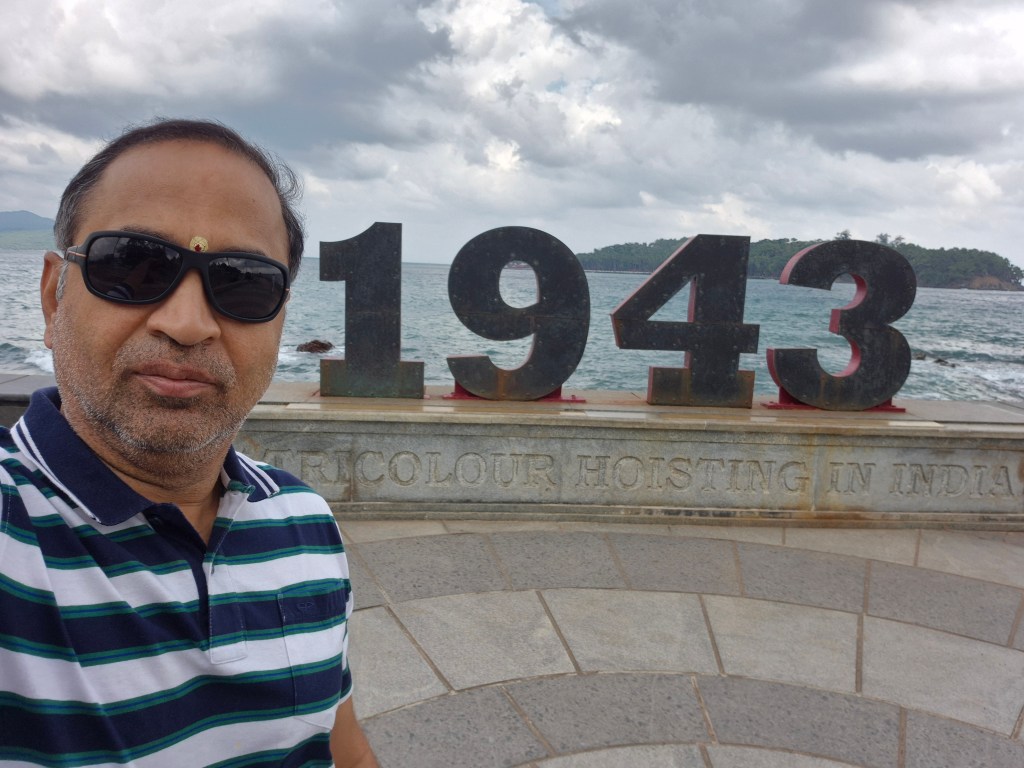
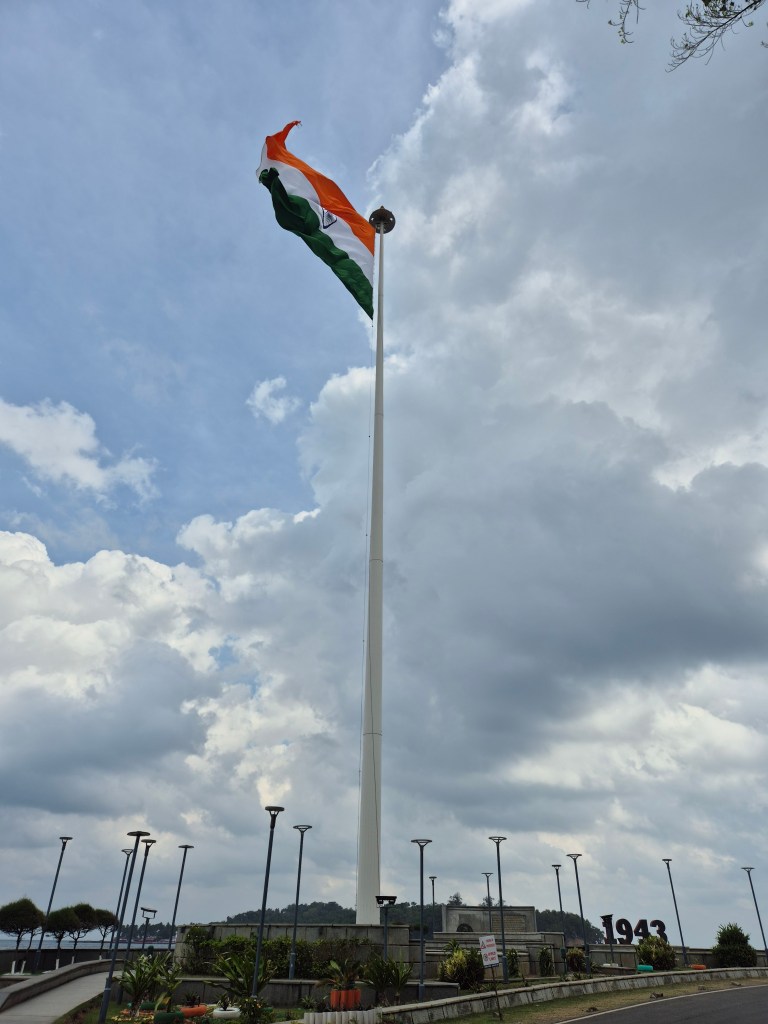
    On December 30, 1943, for the first time, the Indian Tricolour was hoisted on Indian soil right here in Andaman. The Tiranga Memorial, with the Indian flag flying proudly, marks this historic occasion. The sacrifice of the freedom fighters offered a ray of hope for an independent India. Of course, it took four more years to achieve independence, but this was a major milestone.

    Conclusion

    In recent years, it feels like many have forgotten what it took to gain the freedom we enjoy today. Visiting places like Andaman and Amritsar (Jallianwala Bagh) helps us truly understand the price of our freedom. For that reason, I would recommend a pilgrimage to Andaman.

  • For me, the Andaman Islands have always been linked to India’s freedom struggle. The names “Kalapani” and “Netaji Subhas Chandra Bose” immediately come to mind whenever I hear of Andaman.

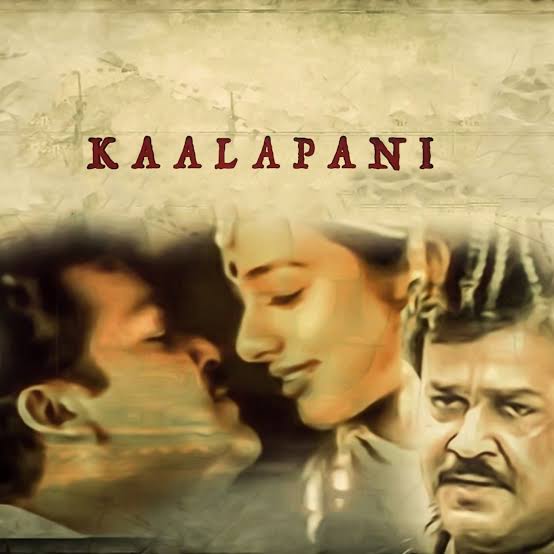
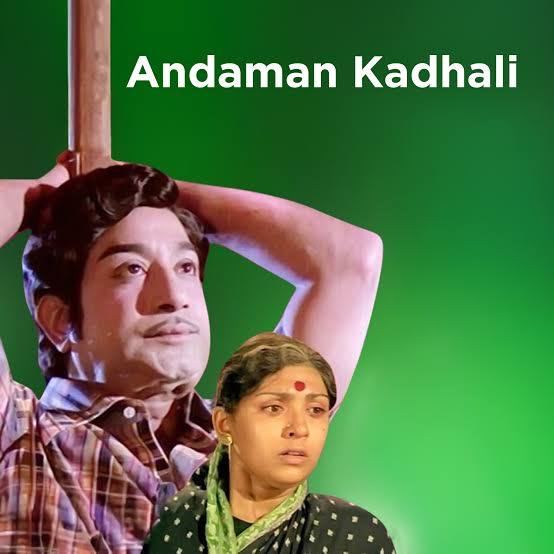
    I clearly remember watching Kaalapani, a popular Malayalam movie based on the life of Veer Savarkar, on its first day in theaters. It was a powerful film that showed the inhuman treatment of freedom fighters in Andaman. I also recall the lovely beach scenes from an old Tamil movie, Andaman Kadhali. While I don’t remember the film itself, some of its songs and beach scenes are still fresh in my memory.

    Andaman wasn’t on my travel list until last December. I received an email about a program in Port Blair in early January, with the option to bring my family. I jumped at the opportunity and quickly made our travel plans. I was surprised to find so many flights available from various Indian cities, including a direct flight from Hyderabad, which made our journey comfortable.

    Our Stays and Experiences

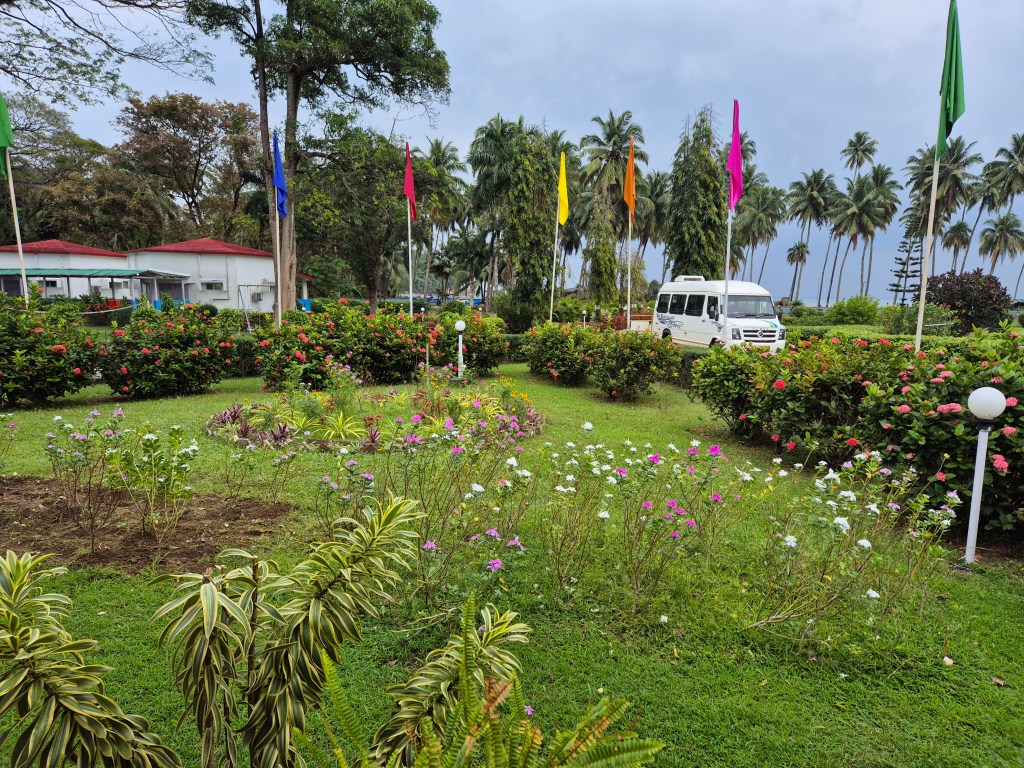
    We stayed at the Peerless Resort at Corbyn’s Cove in Port Blair, where our program was also held. It’s a nice property with direct access to the popular Corbyn’s beach. I’d rate it 4 out of 5. All our meals were part of a package, so we didn’t eat out much, except for a visit to Annapurna Cafeteria on our last day. The food there was good, but the service was average.

    For a couple of days, we stayed at the White Coral Resort on Swaraj Dweep (Havelock Island). I would rate this property 3 out of 5. Although the location is great, it wasn’t managed very professionally. If I had known about the nearby Silver Sands Beach Resort, I would have booked it instead. While on Swaraj Dweep, we ate at Tealogy Cafe and Silver Sand, both of which were excellent. I’d rate them 4.5 out of 5.

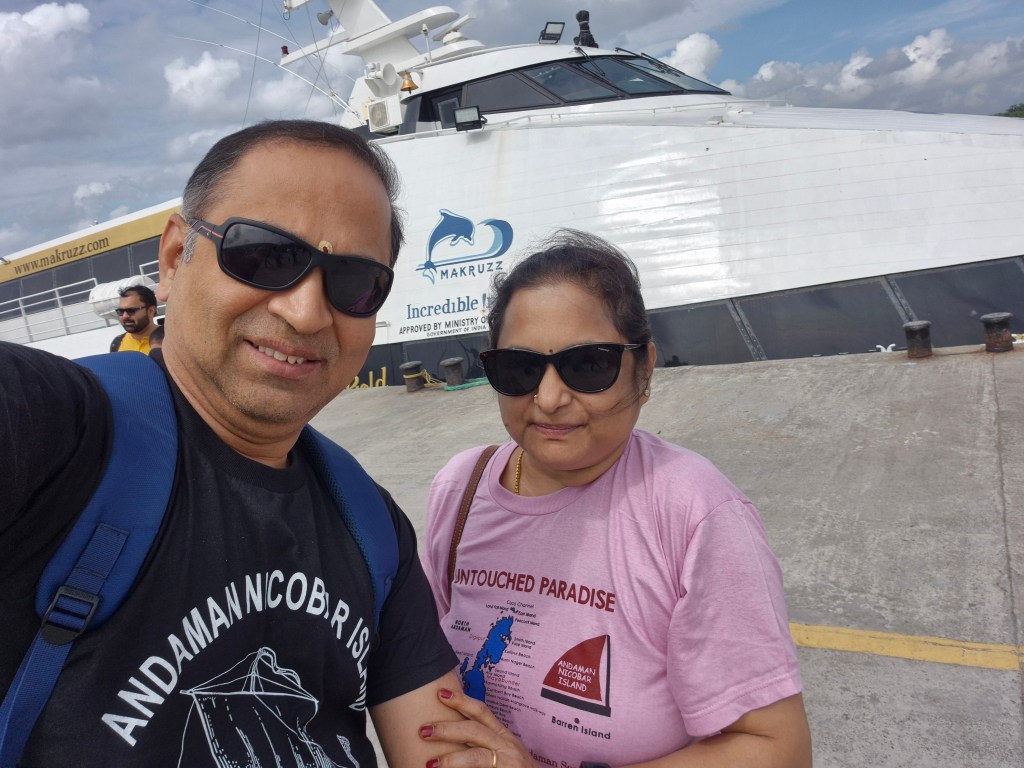
    We took the Makruzz Ferry from Port Blair to Swaraj Dweep. The cruise itself was great, but the luggage check-in and collection process was inconvenient, so I’d rate the overall experience 3.5 out of 5.

    One day on Swaraj Dweep, I rented a bike to explore the island. It was a great, affordable experience. I’d recommend renting a bike for getting around Swaraj Dweep, as the distances are short and the routes are simple. In Port Blair, however, a cab is more useful because the city is larger and has more traffic.

    Over the week, we visited North Bay, Ross Island, and Swaraj Dweep, in addition to exploring Port Blair. The only thing we missed was a visit to Baratang Island. We were in Andaman for a week, but I had other commitments that prevented us from joining the group heading there, which requires a very early 4 a.m. start. The team that went had wonderful things to say about it.

    I have written three separate blogs about our trip: one on the history, a second on the beautiful beaches, and a third on the adventure activities we did

    Interesting Things I Learned About Andaman

    • Because there are so many beaches, each one is used for specific activities. For example, Radhanagar Beach has no water sports, while Elephant Beach has them all.
    • To reduce waste, only 2-litre water bottles are sold. This has significantly reduced plastic pollution.
    • Tourist spots have only basic shops, nothing fancy.
    • The local people we met were all very warm and supportive.
    • All the activities we tried—Snorkeling, Sea Walk, Parasailing, and Jet Skiing—were professional and safe.
    • Besides coconuts, almost everything is brought from the mainland. This makes items a bit pricey, but still affordable.
    If you are planning a trip, I suggest a 5 to 7-day visit. You could spend three days in Port Blair (including Baratang) and two days on Swaraj Dweep. With seven days, you can also visit Shaheed Dweep (Neil Island) without feeling rushed.

    I hope you find this useful for planning your own visit to the Andamans. Do share your experiences and feedback.

  • Like many middle-aged couples, we love to try adventure activities, but only if we are confident they are safe and comfortable. We avoid anything that seems too strenuous or risky. With this in mind, we chose four activities to try, and I’m happy to say they were all as adventurous, safe, and comfortable as we had hoped.

    Jet Ski

    We went jet skiing at Corbyn’s Cove Beach. It was a short, high-speed ride across the ocean with a professional. You get to ride the ski yourself, but the guide is right there to prevent any accidents if you lose control. It was safe and exciting.

    Snorkeling

    Our first activity at Elephant Beach was snorkeling. This was my first time, though my wife had done it before. We had a one-on-one guide who helped us. The view of the coral reef, touching it, and swimming with the fish was a great experience.

    Parasailing

    After snorkeling, it was our turn for parasailing. A group of six of us went out on a speedboat, and we each took a turn. We had both done this before in Goa. It’s a three-minute adventure that is worth every second.

    Sea Walk

    For me, the highlight was the Sea Walk. I had tried it once in Mauritius and found it thrilling. I realized the process here was much simpler. In Mauritius, we had to wear a heavy helmet and a weight belt; here, it was just the helmet. Also, in Mauritius, there was one diver for every 6 to 8 people, but here it was one-on-one, which made me feel much safer. Going down to the ocean floor (about 6-8 meters deep) and seeing the coral and fish up close is a once-in-a-lifetime experience. The helmet allows you to breathe normally, though your ears might get blocked from the pressure, similar to what happens when a flight descends.

    Conclusion

    Across all the activities, the professional guides also acted as photographers, and we could get the digital photos right there on the island. This was a great added bonus. Given these benefits, I felt the pricing, which seems high at first, was well worth it.

    Based on my experience, the water activities in Andaman were safer and more comfortable than those I’ve tried in Goa and Mauritius. I would recommend Andaman as a top choice for both casual travelers and adventure seekers.

  • In my 3 part blog on Hampi, I have covered the places of historic and religious significance with photographs.  Here, I am giving my itinerary and my feedback on various places and restaurants I visited.  I have given link to my blogs, google location of the places and my ratings of these establishments for one to have an easy access.

    Day 1

    Day 2

    • We had our breakfast at the resort 
    • Left for the Anjanadhri hills leg of the tour
    • Reached the resort for lunch 
    • We spent the afternoon and evening leisurely.  I booked a massage at the resort.  I would rate the massage 3 stars out of 5
    • Evening we continued at the resort and had our dinner at the resort itself

    Day 3

    • Breakfast at the resort 
    • Spent some time in the swimming pool
    • Left for Lunch at the Naivedyam Restaurant.  The option was between Kailash Parbath and Naivedhyam.  I rated the restaurant 4 on Google
    • Visited the Tungabadhra Dam, went around Hosapet
    • Reached the Resort.  The resort was kind enough to extend my stay with a charge till late evening. 
    • Checked out around 9 pm and went to Naivedyam for dinner. From there went to the Station
    • My train to Chennai was only at 11:55 PM which was around 15 minutes late.  I reached the station around 10:30 PM and decided to use the AC waiting room. If there was one not so good experience in the whole trip, it was this. I rated the facility 2 out of 5 on Google   

    Overall, I would rate the trip as outstanding. I would also recommend that visiting Hampi should be in your bucket list.

    Will cover other interest places which I visited recently in the next blog. Bye till then.

  • We ended the previous evening with the locals feeding monkeys.  The next morning was all about Hanuman, our favourite monkey god and experiencing a small part of the Kishkidha Kandam in the epic Ramayana.

    Close to Hampi, across the river Tungabadra is Kishkinda, the monkey kingdom referred to in the Ramayana.. Anjanadhri Hills is considered the birth place of Hanuman.  The name comes from Anjana Devi who is Hanuman’s mother. I set out my day’s plan with the visit to the Anjanadhri hills. 

    While this leg of the Hampi tour does not require a guide, guidance from the resort and my driver were useful in charting out our journey.

    A 40 odd minute drive from the resort, we reached the foothills of the Anjanadhri Hills. 

    The day was cloudy, but it was not raining.  So I decided to start my ascend to the temple atop the hill.  It was definitely not an easy climb. There were around 600 steps with some of them being steep.  I had to take a couple of halts on the way.  Of course, each stop was a great photo op. It took me around 40-45 minutes to reach the temple.

    All through the steps, you come across a lot of monkeys, of course, you should expect it to be so given the vanara sena that Rama garnered was from here. Make sure to carry a bottle of water if you are climbing this hill.  I did not come across any stalls either on the steps or on top of the hill.  Of course, you also need to be careful enough not to lose the water bottle to the monkeys on the way.

    Hanuman Temple at Anjanadhri Hills and scenic view around

    Hanuman is in the form of a rock carved statue.  Priests were performing pooja in the temple.  There is a shrine for Sita, Rama and Lakshmana along with Hanuman.  A separate shrine inside the temple of Anjana (mother of Hanuman) was special. 

    After spending around 45 minutes at the temple I descended the hill taking in not just fresh air, but also a breathtaking aerial view of Hampi and enjoying the flow of River Tungabadhra. 

    Our next stop was the caves of Vali and Sugreeva.  I could only cover Vali cave and it started pouring.  So I had to return to the car.  

    Another short drive from there, we reached the Shabari’s ashram.   When Rama came in search of Sita, he reached Shabari who offered Rama fruits (after she had a bite to see if they were good enough for Rama).  It is also believed that Shabari informed Rama about Hanuman and Sugriva and suggested that he take the monkey warriors’ help in search of Sita.  

    Just across Shabari’s cave is the pampa sarovar, a sacred lake which is associated with Parvati doing penance and where Rama took a holy dip. There is a nice Siva temple near the pampa sarovar. 

    The morning reminded me of various ramayana kathas I had heard since childhood, specifically the Sundara Kandam in Kamba Ramayanam. The role of Shabari, Hanuman, Sugriva and the army of monkeys flashed through my mind during the visit. 

    After a blissful day of experiencing Ramayana, we went to the Anicut across the Tungabadhra river, only to see that the water levels were higher than the anicut.  It was drizzling a bit when we reached there.  We spent some calm and soothing time in nature and drove back to the resort for lunch.

    I have covered tourist and religious locations in Hampi over 3 blogs primarily with photos. Will add another blog on the travel plan and the food.

  • Hampi

    Hampi has been in my bucket list for a long time. Finally I made it to Hampi with my wife in early July, 2025. I had many concerns, weather being the most important one. However, to my surprise had a great 3 day visit to Hampi. The weather was excellent. A bit of rain, summer heat had given way to a pleasant weather. Thungabadra river was running in heavy streams. A perfect time to explore the grandeur of the Vijayanagar empire.

    On the first morning we went to the Vittala temple ruins. The architecture is so intricate and interesting that even in ruins you can see how it would have stood in its heydays. The most popular one is the chariot which is on the 50 rupee note.. As they say, a picture speaks thousand words. Hence, I have decided to share a few pictures instead of a commentary.

    Next was the visit to the royal areas, which included a majestic courtroom, palaces, water pipelines, queens bath, elephant staple, lotus mahal, ministers pedestal and few temples. I am not going to write about each of these. It is unfortunate that almost every construction has been destroyed. What remains itself is sufficient for one to understand how successful the kingdom was.

    The vastness of each of the areas is something that hits you. Individual staple for each elephant, the process of feeding, quarters for the mahouts are there to see. The remains of the queens places, shows how elaborate each palace was.

    For me, the highlight was the Kings Court. The platform is so high that the king can see a very large area, just by looking around. The rock doors, which can only be operated by the elephants adds an interesting aspect to the security of the place. Further, the underground safe house is something that shows the extent of security with comfort the kingdom had for its rulers and family.

    The ruins take half a day to go around. Yes, it requires one to walk around a bit. But it is worth every step. If you are visiting, make sure to have a good guide. You will not be able to do justice to your visit without a proper tour guide. If you were impressed by the sets of movies like Bahubali, wait till you see Hampi as I am sure, the sets must have drawn its inspiration from the early kingdoms in general and Hampi in particular.

    Yes, it is sad to see all these grandeur having been demolished to ruins. That gives a perfect opportunity for one to see both the advancement and grandeur of the past as well as the destruction of the same. It clearly reminds you that the world is made of people who create and those who destroy, and both the sides are there to see in one place at Hampi.