When you are in Andaman, you walk through the corridors of Indian history, especially the story of our freedom struggle. You learn how the colonial powers treated those who dared to raise their voice for freedom.
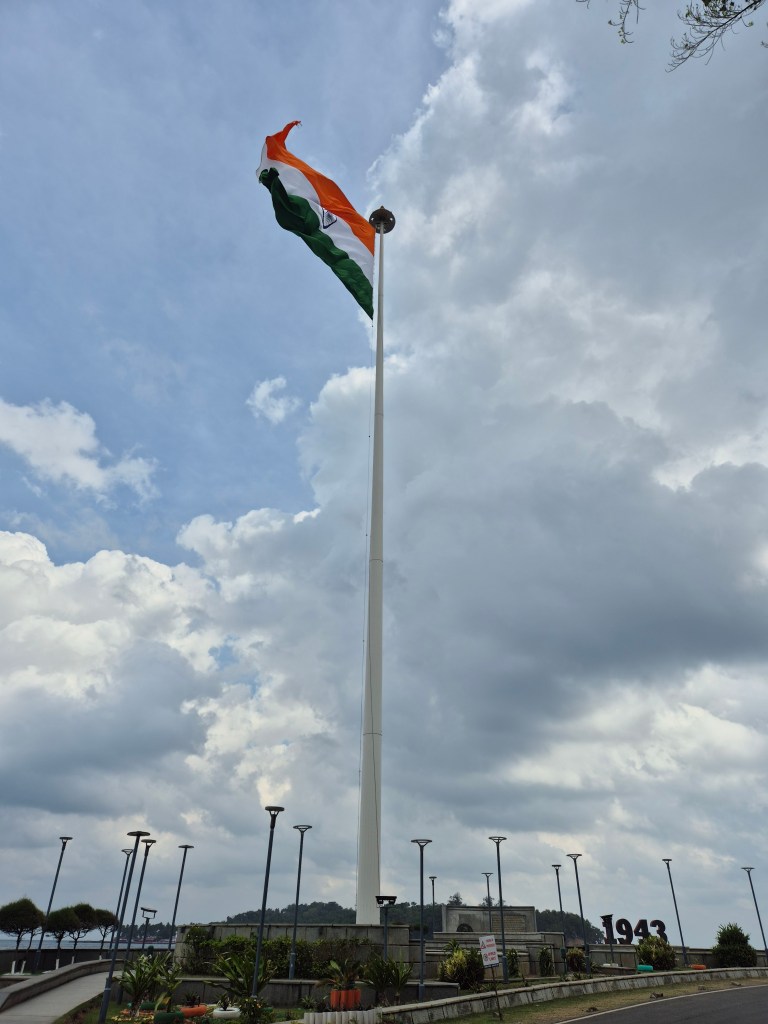
Three places are particularly important: the Cellular Jail, Netaji Subhas Chandra Bose Island (formerly Ross Island), and the Tiranga Memorial, where the Indian flag was first hoisted in 1943.
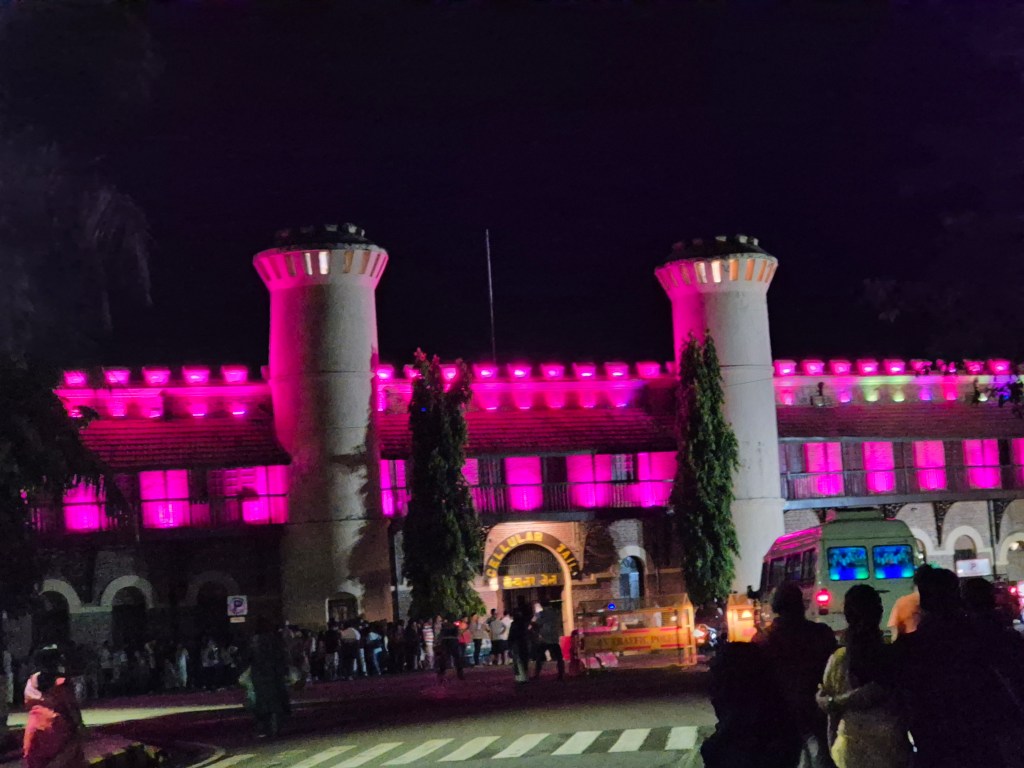
The Cellular Jail
I visited the jail twice: once during the day with a guide to learn how the prisoners were treated, and again in the evening for the light and sound show. I highly recommend experiencing both.
The first thing that struck me at the entrance was how determined the colonial powers were to suppress the freedom movement. The statues outside show how the freedom fighters found the energy to fight such tyranny.
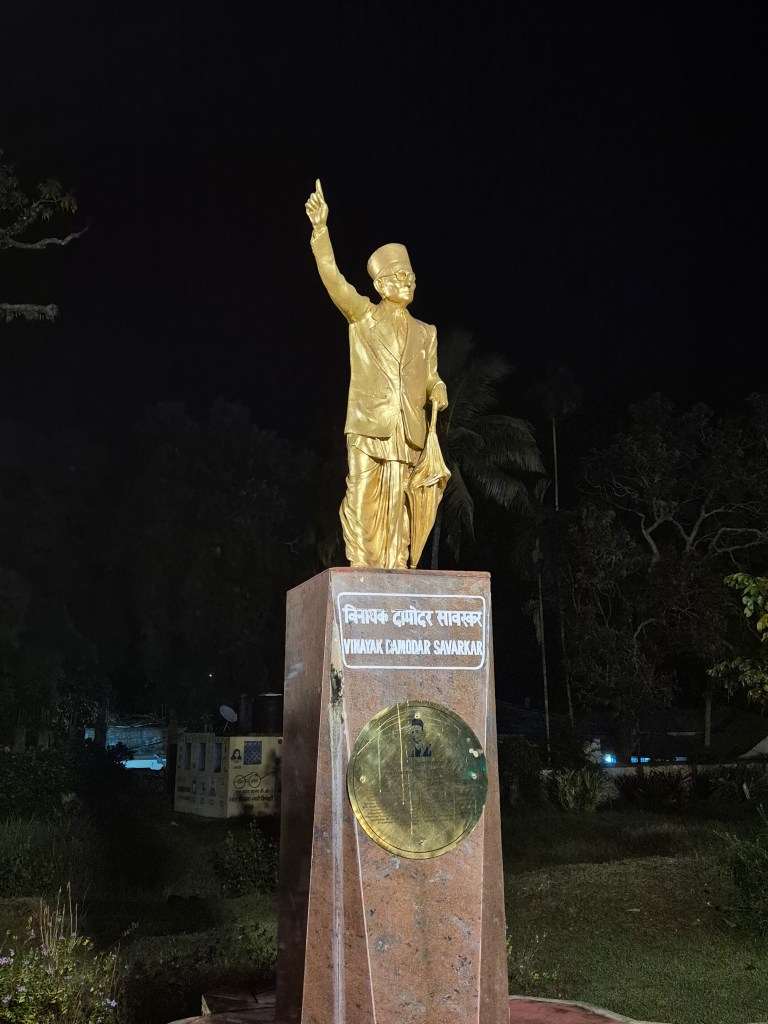
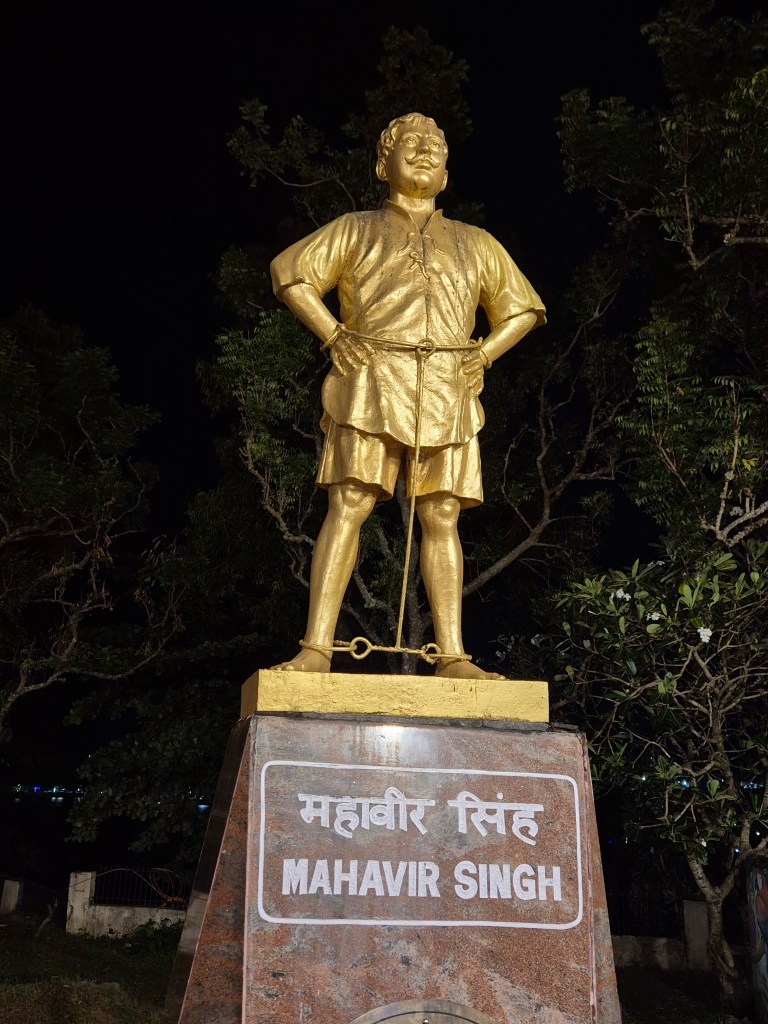
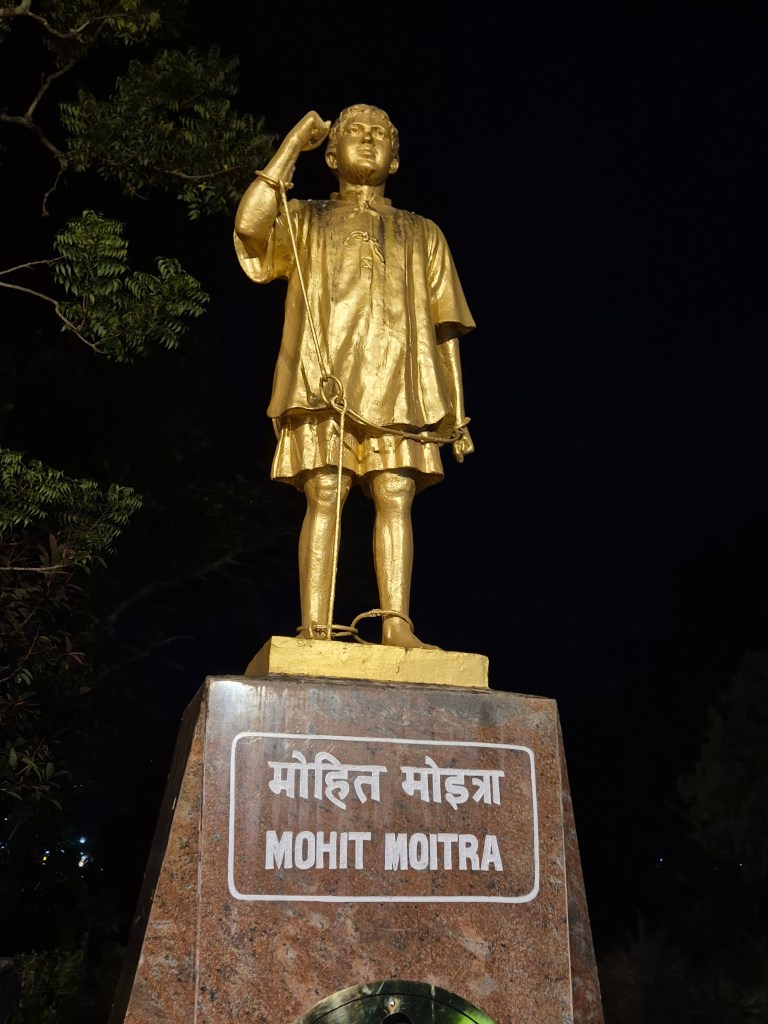
We first visited the hanging house. The original was just an open-air platform, strategically placed so prisoners could watch their fellow inmates being hanged. Next, we saw the flogging frame, where prisoners who disobeyed orders were whipped. We were told that other inmates were forced to do the flogging.
After this, we saw the area where prisoners were forced to work on oil extraction. The work targets were incredibly high for a manual process, and the punishment for not meeting them was flogging. You can also learn from the guide about the four levels of punishment given to freedom fighters, which makes for a very emotional experience.
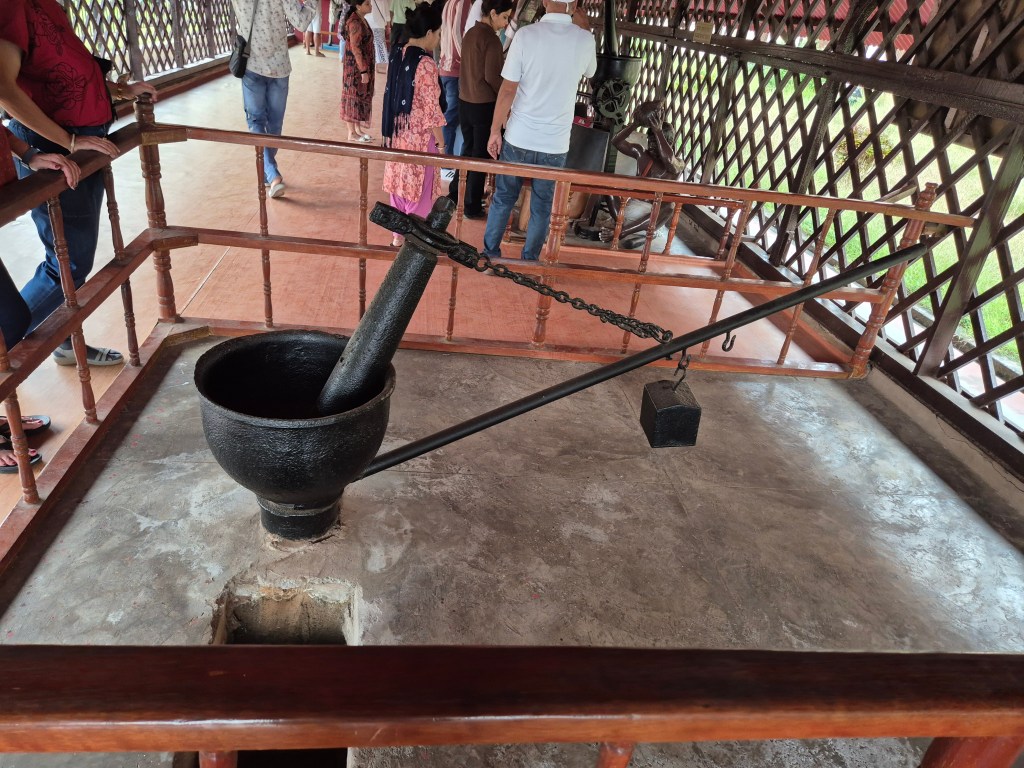
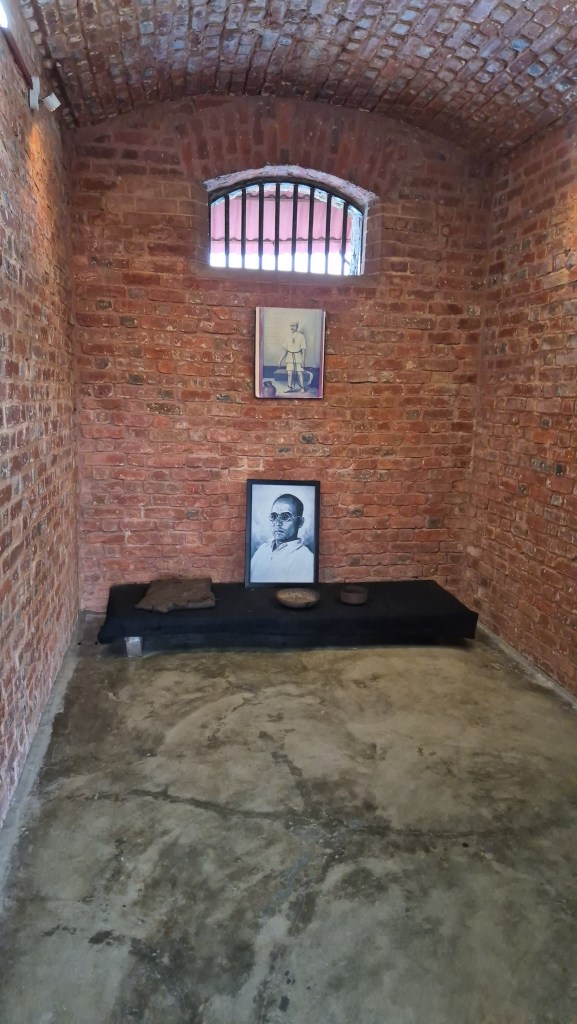
Finally, we saw the cells. They were built so that prisoners could not interact with each other. This design allowed a few guards to manage many prisoners effectively.
Netaji Subhas Chandra Bose Island (Ross Island)
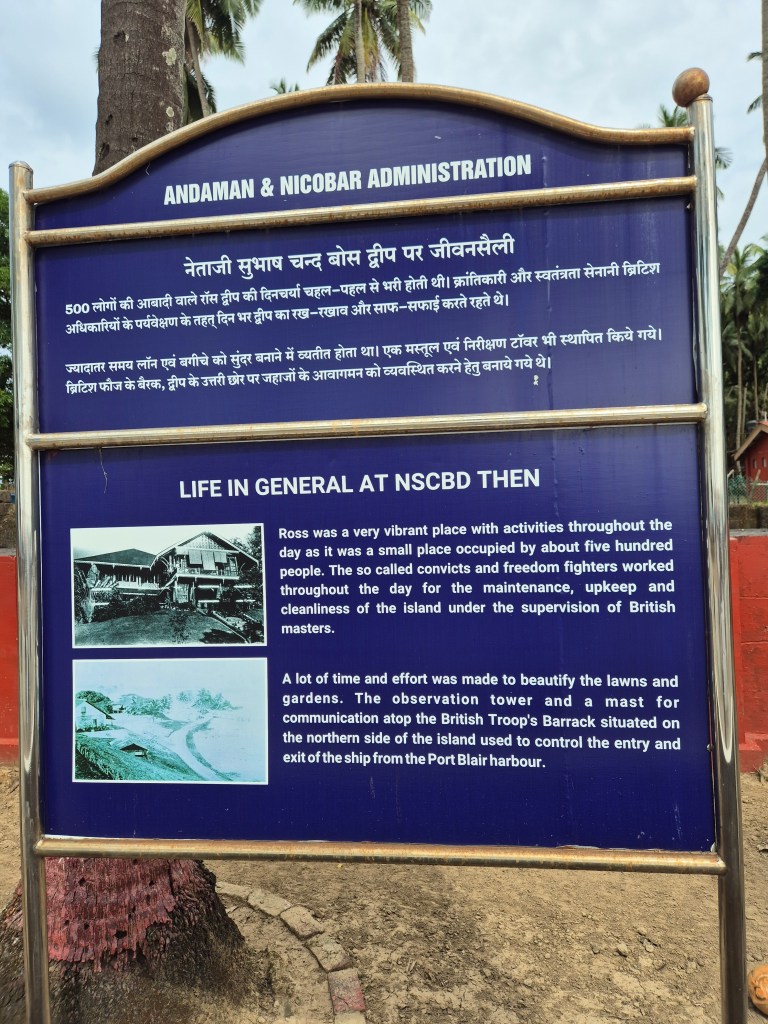
Before the Cellular Jail was built, Ross Island was set up as a penal settlement. We learned that freedom fighters were brought to this small, overgrown island, where they cleared the land and made it livable. It later became so well-known that it was called the “Paris of the East.” The island was recently renamed after Netaji Subhas Chandra Bose. Today, you can see many deer roaming among the ruins of old buildings and bunkers.
Tiranga Memorial
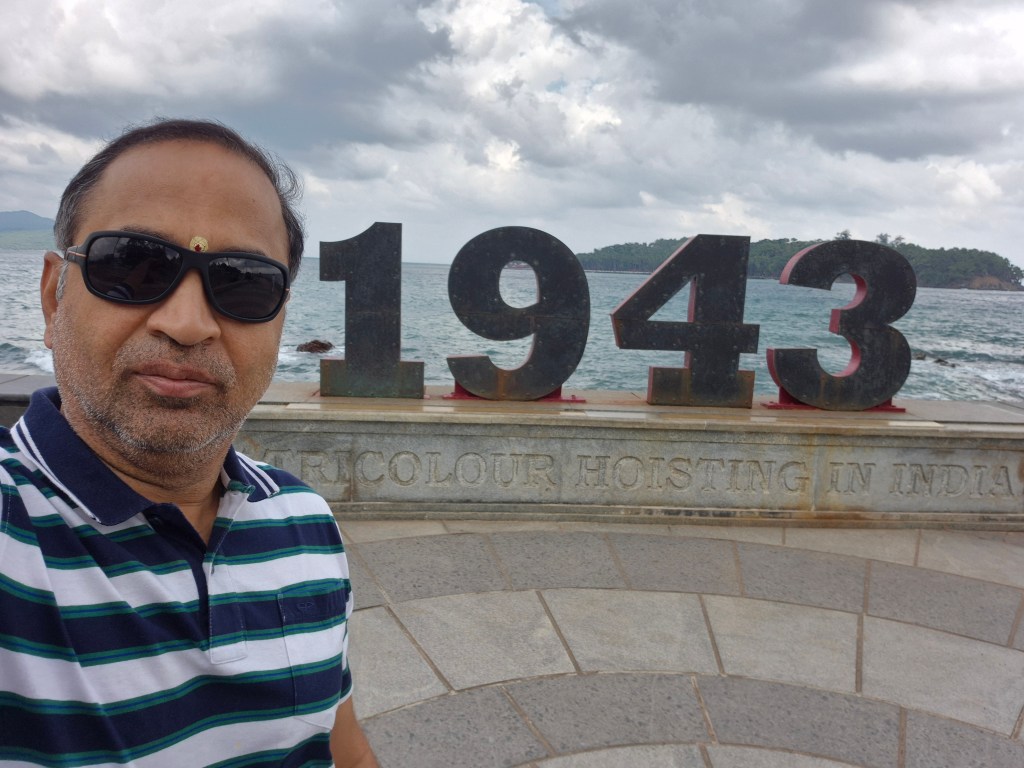
On December 30, 1943, for the first time, the Indian Tricolour was hoisted on Indian soil right here in Andaman. The Tiranga Memorial, with the Indian flag flying proudly, marks this historic occasion. The sacrifice of the freedom fighters offered a ray of hope for an independent India. Of course, it took four more years to achieve independence, but this was a major milestone.
Conclusion
In recent years, it feels like many have forgotten what it took to gain the freedom we enjoy today. Visiting places like Andaman and Amritsar (Jallianwala Bagh) helps us truly understand the price of our freedom. For that reason, I would recommend a pilgrimage to Andaman.

Leave a comment